










Popular
What is the significance of the dream world in Napping Princess?
How does Kokone's relationship with her father influence the story?
What role does the character of Moriko play in Kokone's journey?
What is the significance of the giant robot in Kokone's dreams?
How does the theme of technology versus tradition manifest in the characters' actions?
Should I watch it?
Ask Your Own Question

What is the plot?
Sorry, we aren't able to watch and write up a full detailed plot yet. Check back in a few days.
More Movies Like This
Browse All Movies →





What is the ending?
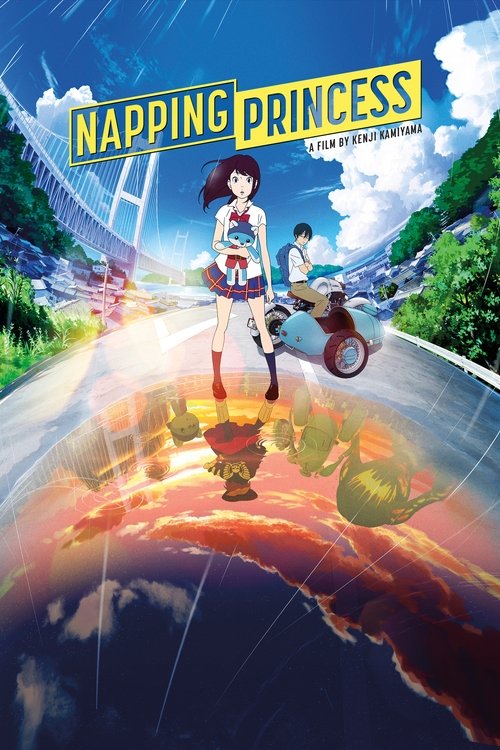
In the ending of "Napping Princess," the protagonist, Kokone, awakens from her dream world and confronts the reality of her father's situation. She successfully saves him from the clutches of the antagonist, who is revealed to be a corrupt figure in the automotive industry. The film concludes with Kokone and her father, who is now free, embracing each other, symbolizing their renewed bond and the importance of family.
As the story unfolds towards its conclusion, Kokone finds herself in a climactic confrontation. The scene begins with her navigating the dream world, where she has been battling the forces that threaten her father and their family. The dream world is vibrant and surreal, filled with fantastical elements that reflect Kokone's inner struggles and fears. She is determined to save her father, who has been wrongfully imprisoned due to the machinations of the antagonist, a powerful businessman named Kōsuke.
In a pivotal moment, Kokone faces Kōsuke in a dramatic showdown. The setting shifts to a high-tech facility where Kōsuke has been conducting his nefarious activities. The atmosphere is tense, filled with the hum of machinery and the flickering lights of screens displaying data. Kokone, fueled by her love for her father and her desire to protect him, confronts Kōsuke with courage. She uses the skills she has honed in her dream world, showcasing her growth and determination.
As the confrontation escalates, Kokone's friends, who have been supporting her throughout her journey, join her in the real world. They provide crucial assistance, helping to expose Kōsuke's corrupt practices to the authorities. This teamwork highlights the theme of friendship and solidarity, emphasizing that Kokone is not alone in her fight.
In a dramatic twist, Kōsuke's plans begin to unravel as the truth comes to light. The authorities arrive, and Kōsuke is apprehended, marking a significant victory for Kokone and her friends. The tension dissipates, and the atmosphere shifts from one of conflict to relief and celebration. Kokone's father, who had been a victim of Kōsuke's schemes, is finally freed. The emotional weight of this moment is palpable as Kokone rushes to embrace her father, tears of joy streaming down her face. Their reunion is a powerful testament to the strength of familial bonds and the importance of standing up against injustice.
As the film draws to a close, Kokone and her father share a heartfelt conversation, reflecting on the challenges they faced and the love that ultimately triumphed. The final scenes depict Kokone's growth as a character; she has transformed from a passive dreamer into a proactive hero who takes charge of her destiny. The film ends on a hopeful note, with Kokone looking towards the future, ready to embrace whatever comes next, alongside her father and friends.
In summary, the fates of the main characters are intertwined in this resolution. Kokone emerges as a strong, empowered individual, her relationship with her father restored and strengthened. Her father, once a victim, is now free and able to support Kokone in her journey. Kōsuke, the antagonist, faces justice for his actions, serving as a reminder of the consequences of corruption and greed. The film concludes with a sense of hope and renewal, emphasizing the importance of family, friendship, and the courage to fight for what is right.
Is there a post-credit scene?
In the movie "Napping Princess," there is no post-credit scene. The film concludes with a resolution to the main storyline, focusing on the protagonist, Kokone, as she comes to terms with her dreams and the reality surrounding her family. The narrative wraps up with a sense of closure, emphasizing themes of connection, family, and the power of dreams, leaving the audience with a heartfelt conclusion rather than an additional scene after the credits.
What is the significance of the dream world in Napping Princess?
The dream world in Napping Princess serves as a parallel to the real world, where the protagonist, Kokone, navigates her subconscious and confronts her fears and desires. It is a place where she can explore her identity and the legacy of her father, who is a mechanic. The dream world is filled with fantastical elements, including a giant robot and a kingdom that reflects her inner struggles.
How does Kokone's relationship with her father influence the story?
Kokone's relationship with her father, who is a mechanic and has a mysterious past, is central to her character development. As she uncovers the truth about her father's connection to the dream world and the events surrounding her family's history, her emotional state shifts from confusion and frustration to understanding and acceptance. This relationship drives her motivations and ultimately leads her to confront the challenges she faces.
What role does the character of Moriko play in Kokone's journey?
Moriko, Kokone's friend, plays a crucial role in supporting her throughout her journey. She provides emotional support and encouragement, helping Kokone to navigate the complexities of her dreams and the reality she faces. Moriko's unwavering belief in Kokone's abilities helps to bolster Kokone's confidence as she confronts the challenges posed by the antagonists in both the dream world and the real world.
What is the significance of the giant robot in Kokone's dreams?
The giant robot in Kokone's dreams symbolizes her inner strength and the power she possesses to overcome obstacles. It represents her desire to protect her loved ones and fight against the forces that threaten her family. The robot's presence in her dreams also serves as a manifestation of her father's influence and the legacy he has left behind, intertwining their fates as she learns to harness its power.
How does the theme of technology versus tradition manifest in the characters' actions?
The theme of technology versus tradition is embodied in the characters' actions, particularly through Kokone's father, who represents traditional craftsmanship as a mechanic, and the antagonists who embody the corporate and technological advancements that threaten their way of life. Kokone's journey reflects her struggle to reconcile these two worlds, as she learns to embrace her father's teachings while also navigating the modern challenges posed by technology.
Is this family friendly?
"Napping Princess," also known as "Hirune Hime: Shiranai Watashi no Monogatari," is generally considered family-friendly, but there are a few scenes and themes that might be potentially objectionable or upsetting for children or sensitive viewers.
-
Mild Violence: There are scenes depicting conflict and battles in the dream world, which may include some action and mild violence. While not graphic, the intensity of these scenes could be unsettling for younger viewers.
-
Emotional Struggles: The protagonist, Kokone, experiences moments of anxiety and distress related to her family and the challenges they face. These emotional struggles may resonate deeply and could be upsetting for sensitive viewers.
-
Themes of Loss: The film touches on themes of loss and the impact of family issues, which may evoke strong emotions. The portrayal of Kokone's relationship with her father and the challenges they face can be poignant and may lead to tears.
-
Nightmares and Dark Imagery: In the dream sequences, there are elements that may be considered dark or surreal, which could be frightening for younger children. The dream world features fantastical creatures and scenarios that might be overwhelming.
-
Parental Concerns: The film addresses the pressures of adulthood and the responsibilities that come with it, which may be more relatable to older children and teens rather than younger audiences.
Overall, while "Napping Princess" is suitable for family viewing, parents may want to consider these aspects when deciding if it is appropriate for their children.








