
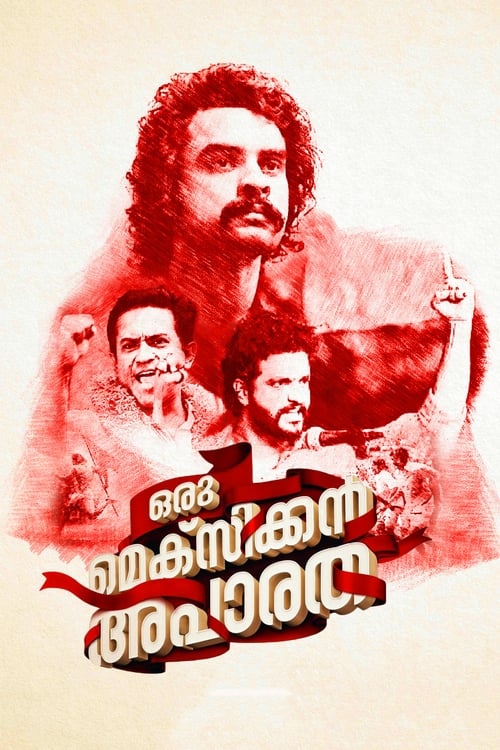






















Loading additional questions...
Popular
Who is the main protagonist in Oru Mexican Aparatha and what motivates him throughout the film?
What role does the character of Kichu's love interest play in the story?
How does the rivalry between Kichu's group and the rival student faction escalate throughout the film?
What significant event triggers the final conflict in Oru Mexican Aparatha?
How does the character of the college principal influence the events in the film?
Should I watch it?
Ask Your Own Question

What is the plot?


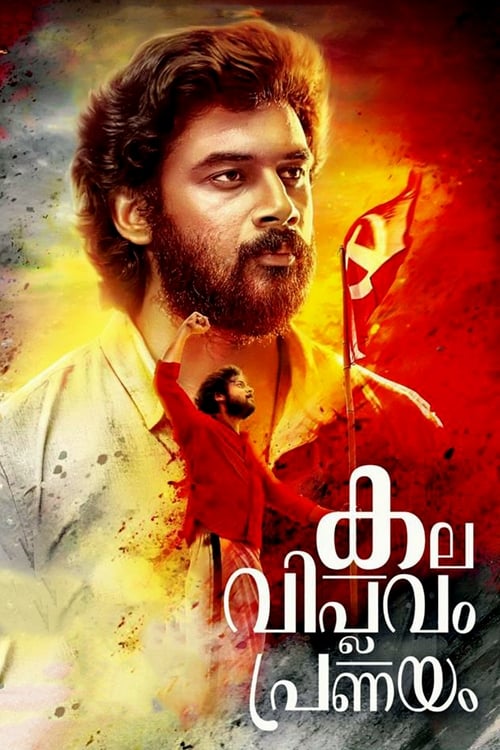


What is the ending?
In the ending of "Oru Mexican Aparatha," the protagonist, Kichu, faces the consequences of his actions in a climactic confrontation with the rival student faction. The film concludes with a sense of loss and sacrifice, as Kichu and his friends fight for their beliefs, leading to a bittersweet resolution.
As the final act unfolds, the tension escalates on the college campus, where Kichu and his friends, part of the leftist student group, prepare for a showdown against the right-wing faction led by their rival, who has been a constant source of conflict. The atmosphere is charged with anticipation and fear, as both sides are aware that this confrontation could change the dynamics of their college life forever.
The scene opens with Kichu rallying his friends, their faces a mix of determination and anxiety. They know that this fight is not just about their political beliefs but also about their identity and camaraderie. Kichu, filled with a sense of responsibility, urges his friends to stand united, emphasizing the importance of their cause. The camera captures the intensity in his eyes, reflecting his internal struggle between fear and resolve.
As the confrontation begins, the two factions clash violently in a chaotic scene filled with shouts and physical altercations. Kichu fights fiercely, driven by the memories of his fallen friends and the ideals they stood for. The cinematography captures the raw energy of the fight, with close-ups of the characters' expressions, showcasing their pain, anger, and determination.
In the midst of the chaos, Kichu encounters his rival, who represents everything he opposes. Their fight is not just physical but symbolic of the larger ideological battle at play. As they exchange blows, Kichu's internal conflict becomes palpable; he is fighting not only for his beliefs but also for the legacy of his friends who have suffered due to the oppressive environment created by the rival faction.
The climax reaches a peak when Kichu, in a moment of desperation, makes a critical decision that leads to a tragic outcome. He sacrifices his own safety to protect a friend who is in danger, showcasing his loyalty and bravery. This act of selflessness resonates deeply, highlighting the themes of friendship and sacrifice that permeate the film.
As the dust settles, the aftermath of the confrontation reveals the heavy toll of their struggle. Kichu is left standing amidst the chaos, bruised and battered, but with a newfound sense of purpose. However, the victory is bittersweet; many of his friends are injured, and the emotional scars of the conflict will linger. The camera pans over the scene, capturing the somber expressions of the survivors, reflecting on the cost of their fight.
In the final moments, Kichu stands alone, contemplating the future. The film closes with a poignant shot of him looking out over the campus, symbolizing the ongoing struggle for justice and the hope that their sacrifices will not be in vain. The fate of Kichu and his friends is left uncertain, but their bond and commitment to their cause remain strong, suggesting that the fight for their beliefs will continue, even in the face of adversity.
Is there a post-credit scene?
In "Oru Mexican Aparatha," there is indeed a post-credit scene that adds an intriguing layer to the film's narrative. After the credits roll, the scene opens with a shot of the college campus, now quiet and still, as the sun sets in the background, casting a warm glow over the surroundings.
The camera then shifts to a group of students who are gathered in a corner of the campus, engaged in a heated discussion. They are debating the events that transpired throughout the film, particularly the struggles and sacrifices made by the protagonist, Kichu, and his friends. The atmosphere is charged with a mix of nostalgia and determination, as they reflect on the importance of unity and standing up against oppression.
As the conversation unfolds, one of the students, inspired by Kichu's journey, proposes the idea of forming a new student organization dedicated to social justice and activism. The others nod in agreement, their faces lighting up with enthusiasm and hope. This moment signifies a passing of the torch, suggesting that the fight for justice and equality will continue beyond the film's conclusion.
The scene closes with a shot of the group walking away together, their silhouettes framed against the vibrant colors of the sunset, symbolizing a new beginning and the enduring spirit of youth activism. This post-credit moment reinforces the film's themes of camaraderie, resilience, and the ongoing struggle for change, leaving the audience with a sense of optimism and motivation.
Who is the main protagonist in Oru Mexican Aparatha and what motivates him throughout the film?
The main protagonist in Oru Mexican Aparatha is Kichu, a passionate and determined student who is motivated by his desire to fight against the injustices faced by his college and to protect his friends. His journey is fueled by a deep sense of loyalty and a need to stand up against the oppressive forces represented by the rival student group.
What role does the character of Kichu's love interest play in the story?
Kichu's love interest, played by a fellow student, serves as both a source of emotional support and a catalyst for his actions. Her presence in the film highlights Kichu's vulnerabilities and aspirations, as he strives to impress her while also navigating the challenges posed by the rival faction. Their relationship adds depth to Kichu's character, showcasing his romantic side amidst the political turmoil.
How does the rivalry between Kichu's group and the rival student faction escalate throughout the film?
The rivalry escalates through a series of confrontations and strategic maneuvers, beginning with verbal clashes and leading to physical altercations. Tensions rise as Kichu and his friends organize protests and rallies to assert their identity and rights, while the rival faction employs intimidation tactics. This culminates in a dramatic showdown that tests the resolve and unity of Kichu's group.
What significant event triggers the final conflict in Oru Mexican Aparatha?
The final conflict is triggered by a violent incident orchestrated by the rival faction, which results in a serious injury to one of Kichu's close friends. This act of aggression serves as a turning point, galvanizing Kichu and his peers to unite and take a stand against the oppression they face, leading to a climactic confrontation that defines the film's resolution.
How does the character of the college principal influence the events in the film?
The college principal plays a pivotal role in the narrative, often embodying the institutional authority that Kichu and his friends are rebelling against. His decisions and actions, which often favor the rival faction, create an atmosphere of tension and conflict. The principal's attempts to maintain order and control ultimately backfire, as they fuel the students' determination to fight for their rights and freedoms.
Is this family friendly?
"Oru Mexican Aparatha" is a political drama that contains several elements that may not be suitable for children or sensitive viewers. Here are some potentially objectionable aspects:
-
Violence: The film includes scenes of physical confrontations and violence, particularly related to political rivalries and student protests. These moments can be intense and may be upsetting for younger audiences.
-
Strong Language: There are instances of strong language used by characters, reflecting the heated emotions and tensions present in the political context of the story.
-
Political Themes: The film delves into complex political issues, including corruption and power struggles, which may be difficult for younger viewers to fully understand or appreciate.
-
Emotional Turmoil: Characters experience significant emotional distress, including betrayal, loss, and conflict, which may be heavy for sensitive viewers.
-
Social Injustice: The narrative addresses themes of social injustice and discrimination, which can be thought-provoking but may also evoke discomfort or sadness.
Overall, while the film has a compelling story and strong performances, its themes and content may not be appropriate for all audiences, particularly children.









