






Popular
What key events in Barbra Streisand's early life shaped her career in the entertainment industry?
How did Barbra Streisand's performance in 'Funny Girl' impact her career?
What challenges did Barbra Streisand face in her rise to fame during the 1960s?
How did Barbra Streisand's personal relationships influence her artistic choices?
What role did Barbra Streisand play in the evolution of pop music during the 1970s?
Should I watch it?
Ask Your Own Question

What is the plot?
Sorry, we aren't able to watch and write up a full detailed plot yet. Check back in a few days.
More Movies Like This
Browse All Movies →








What is the ending?
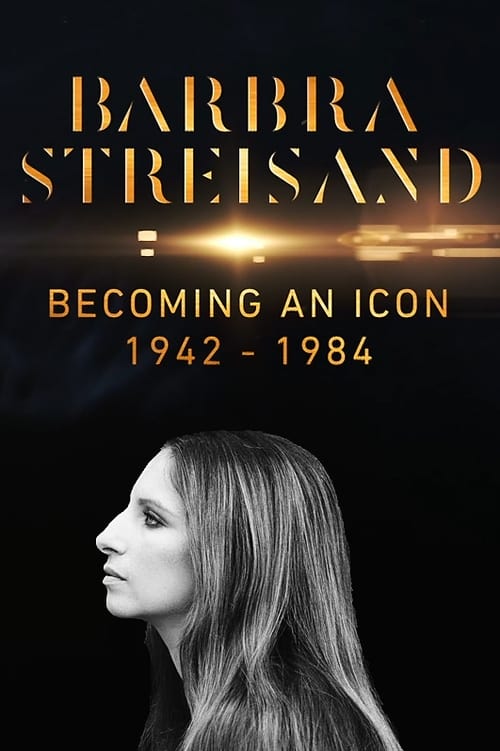
In the ending of "Barbra Streisand: Becoming an Icon 1942–1984," the film culminates in a celebration of Barbra Streisand's remarkable journey and achievements. It highlights her evolution as an artist and her impact on the entertainment industry, showcasing her resilience and determination. The film concludes with a montage of her iconic performances and moments, leaving the audience with a sense of admiration for her legacy.
As the film approaches its conclusion, the narrative shifts to a reflective tone, capturing the essence of Barbra Streisand's journey. The scenes unfold chronologically, beginning with a montage of her early performances, where her unique voice and stage presence begin to captivate audiences. The screen fills with vibrant clips from her Broadway debut in "I Can Get It for You Wholesale," where her talent shines through, setting the stage for her future successes.
Transitioning to the 1960s, the film showcases her rise to fame with her groundbreaking role in "Funny Girl." The audience witnesses her emotional performance of "People," a pivotal moment that solidifies her status as a leading star. The camera captures the raw emotion in her eyes, reflecting her internal struggles and triumphs as she navigates the complexities of fame.
As the narrative progresses, the film delves into her personal life, highlighting her relationships and the challenges she faces as a woman in a male-dominated industry. Scenes of her interactions with fellow artists and directors reveal her determination to assert her voice and vision. The audience feels her passion and frustration as she fights for creative control over her projects.
The film then shifts to the 1970s, showcasing her evolution as a filmmaker with "Yentl." The scenes depict her behind the camera, passionately directing and producing, a testament to her multifaceted talent. The emotional weight of her journey is palpable as she breaks barriers and challenges societal norms, embodying the spirit of a true icon.
In the final scenes, the film presents a montage of her most memorable performances, interspersed with interviews from colleagues and friends who reflect on her impact. The screen fills with applause and admiration, capturing the essence of her legacy. The audience is left with a sense of closure as the film emphasizes her resilience, creativity, and the indelible mark she has left on the world of entertainment.
As the credits roll, the film encapsulates the journey of Barbra Streisand, celebrating her as an icon who has not only entertained but also inspired generations. The fate of Barbra Streisand is one of continued success and influence, as she remains a beloved figure in the arts, embodying the spirit of perseverance and creativity. The film concludes with a powerful message about the importance of following one's passion and the impact of an artist who dares to be different.
Is there a post-credit scene?
The documentary "Barbra Streisand: Becoming an Icon 1942–1984" does not feature a post-credit scene. The film concludes with a comprehensive look at Barbra Streisand's rise to fame, her impact on music and film, and her evolution as an artist up to 1984. The final moments encapsulate her legacy and the profound influence she has had on the entertainment industry, leaving viewers with a sense of closure regarding her journey during that period.
What key events in Barbra Streisand's early life shaped her career in the entertainment industry?
The documentary explores Barbra's childhood in Brooklyn, New York, highlighting her family's struggles and her early passion for music and performance. It details her experiences in school, her first performances, and the influence of her mother, which all contributed to her determination to succeed.
How did Barbra Streisand's performance in 'Funny Girl' impact her career?
The film delves into the significance of her role as Fanny Brice in 'Funny Girl,' showcasing her powerful vocal performances and emotional depth. It illustrates how this role catapulted her to stardom, earning her critical acclaim and establishing her as a leading figure in Broadway and film.
What challenges did Barbra Streisand face in her rise to fame during the 1960s?
The documentary highlights various obstacles, including gender biases in the industry, her struggle for creative control, and the pressure of public scrutiny. It captures her resilience and determination to break through these barriers, showcasing her fierce independence.
How did Barbra Streisand's personal relationships influence her artistic choices?
The film examines her relationships with notable figures such as her early mentor, the composer and lyricist, and her romantic involvement with actors and directors. These connections are portrayed as both supportive and challenging, impacting her music and film projects.
What role did Barbra Streisand play in the evolution of pop music during the 1970s?
The documentary discusses her transition from Broadway to pop music, highlighting her innovative approach to blending genres. It showcases her iconic albums and performances that not only defined her career but also influenced the music industry, paving the way for future artists.
Is this family friendly?
"Barbra Streisand: Becoming an Icon 1942–1984" is a documentary that explores the life and career of Barbra Streisand, focusing on her rise to fame and her impact on the entertainment industry. While the film is primarily a celebration of her achievements, there are a few aspects that may be considered potentially objectionable or upsetting for children or sensitive viewers:
-
Discussion of Personal Struggles: The documentary touches on Barbra's personal challenges, including her experiences with self-doubt and the pressures of fame, which may be heavy themes for younger audiences.
-
References to Relationships: There are mentions of Barbra's romantic relationships and the complexities that come with them, which might include mature themes that could be confusing for children.
-
Cultural and Social Context: The film addresses societal issues and the challenges faced by women in the entertainment industry during the time, which may include discussions of sexism and discrimination.
-
Emotional Moments: There are scenes that depict Barbra's emotional struggles and triumphs, which could evoke strong feelings and may be intense for sensitive viewers.
Overall, while the documentary is not explicitly inappropriate, its themes and discussions may require parental guidance for younger viewers.







