
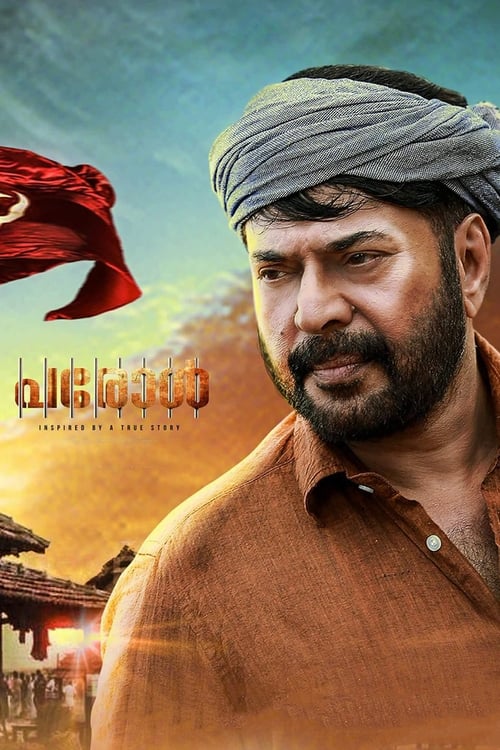

































Popular
What role does the antagonist play in the protagonist's journey?
How does the relationship between the protagonist and his family evolve throughout the film?
What motivates the main character, a prisoner, to seek redemption after his release?
How does the protagonist's experience in prison shape his character and decisions after his release?
What specific events lead to the climax of the film involving the protagonist's struggle for redemption?
Should I watch it?
Ask Your Own Question

What is the plot?
Sorry, we aren't able to watch and write up a full detailed plot yet. Check back in a few days.







What is the ending?
In the ending of the movie "Parole," the protagonist, a man named Karan, faces the consequences of his past actions as he navigates the complexities of his relationships and the law. Ultimately, he makes a significant sacrifice for his family, leading to a resolution that highlights themes of redemption and the impact of choices.
As the climax unfolds, Karan is confronted by the police, who are closing in on him due to his previous criminal activities. He is torn between his desire to protect his family and the reality of his situation. In a tense standoff, Karan decides to surrender, understanding that this is the only way to ensure his family's safety and future. His wife, who has been a pillar of support throughout his struggles, stands by him, showcasing the strength of their bond.
In the final scenes, Karan is taken away by the authorities, but there is a sense of peace in his decision. He has chosen to face the consequences of his actions rather than run away, which signifies his growth as a character. The film closes with a poignant moment between Karan and his family, emphasizing the importance of love and sacrifice.
Expanding on the ending in a chronological and narrative fashion:
As the film approaches its conclusion, the tension escalates. Karan, who has been living under the shadow of his past mistakes, finds himself cornered by the police. The atmosphere is thick with anxiety as he realizes that his time is running out. He is in a dilapidated warehouse, a place that symbolizes his chaotic life, filled with memories of his wrongdoings.
In this moment of crisis, Karan reflects on his journey. Flashbacks of his life before prison flood his mind--his dreams, his family, and the choices that led him to this point. The weight of his decisions bears down on him, and he feels the urgency to protect his loved ones from the repercussions of his actions.
His wife, who has been unwavering in her support, arrives at the scene, her face a mixture of fear and determination. She pleads with him to escape, to run away and start anew. However, Karan's internal struggle is palpable. He knows that fleeing would only bring more danger to his family. The love he has for them outweighs his instinct to protect himself.
In a moment of clarity, Karan makes the heart-wrenching decision to surrender. He steps out from his hiding place, hands raised, signaling to the police that he is ready to face the consequences. The officers, initially tense, lower their weapons as they recognize his willingness to comply. Karan's heart races, but there is a sense of relief washing over him. He has chosen to confront his past rather than let it dictate his family's future.
As he is handcuffed and led away, Karan shares a final, lingering look with his wife. Her eyes are filled with tears, but there is also a glimmer of pride. She understands the gravity of his choice and the love that drives it. Karan's sacrifice is a testament to his growth; he is no longer the man who ran from his problems but someone who is willing to take responsibility.
The film concludes with Karan in a police vehicle, looking out the window as the city passes by. The weight of his past is still there, but there is also a sense of hope. He knows that he has done the right thing for his family, and that love will guide them through the challenges ahead. The screen fades to black, leaving the audience with a powerful message about redemption, sacrifice, and the enduring strength of family bonds.
In the aftermath, Karan's fate is sealed as he faces imprisonment, but his family's future is brighter. His wife, now a single mother, is determined to raise their children with the values Karan instilled in them. The film closes on a note of resilience, emphasizing that even in the face of adversity, love and sacrifice can pave the way for a better tomorrow.
Is there a post-credit scene?
In the movie "Parole," produced in 2018, there is no post-credit scene. The film concludes its narrative without any additional scenes or content after the credits roll. The story wraps up with a focus on the main characters and their resolutions, leaving no further developments or cliffhangers for the audience to ponder after the film ends.
What role does the antagonist play in the protagonist's journey?
The antagonist, a former associate from the protagonist's criminal past, serves as a constant reminder of the life he is trying to escape. This character embodies the temptations and dangers of returning to a life of crime, challenging the protagonist's resolve and forcing him to confront his past choices.
How does the relationship between the protagonist and his family evolve throughout the film?
Initially, the protagonist's relationship with his family is strained and filled with resentment due to his past actions. As he attempts to reintegrate into society, he faces rejection and mistrust from his loved ones. However, through acts of kindness and a genuine effort to change, he gradually rebuilds trust and begins to mend the emotional rifts.
What motivates the main character, a prisoner, to seek redemption after his release?
The main character, who has spent years in prison, is driven by a deep desire to reconnect with his estranged family and to make amends for the mistakes of his past. His internal struggle is marked by guilt and a longing for forgiveness, which propels him to confront the consequences of his actions.
How does the protagonist's experience in prison shape his character and decisions after his release?
The protagonist's time in prison is depicted as a transformative experience that instills in him a sense of reflection and a desire for change. The harsh realities of prison life force him to confront his own vulnerabilities and the impact of his actions on others, shaping his decisions to pursue a more honorable path upon his release.
What specific events lead to the climax of the film involving the protagonist's struggle for redemption?
The climax is reached when the protagonist faces a critical choice between succumbing to the pressures of his old life, represented by the antagonist, or standing firm in his commitment to change. A series of confrontations with both his family and former associates culminate in a tense moment where he must decide whether to protect his loved ones or revert to his past ways.
Is this family friendly?
"Parole," produced in 2018, is a film that delves into themes of crime, redemption, and the struggles of reintegration into society after incarceration. While it has a compelling narrative, there are several aspects that may be considered objectionable or upsetting for children or sensitive viewers.
-
Violence and Crime: The film includes scenes depicting criminal activities and violence, which may be intense and unsettling for younger audiences.
-
Emotional Turmoil: Characters experience significant emotional distress, including feelings of guilt, regret, and despair, which could be heavy for sensitive viewers.
-
Substance Abuse: There are references to drug use and addiction, which may not be suitable for children and could be triggering for some viewers.
-
Family Struggles: The film explores the impact of incarceration on family dynamics, including themes of abandonment and betrayal, which may be distressing.
-
Confrontational Scenes: There are moments of confrontation and aggression between characters that could be alarming.
Overall, while "Parole" offers a poignant exploration of its themes, its content may not be appropriate for all audiences, particularly younger viewers or those sensitive to such topics.








