
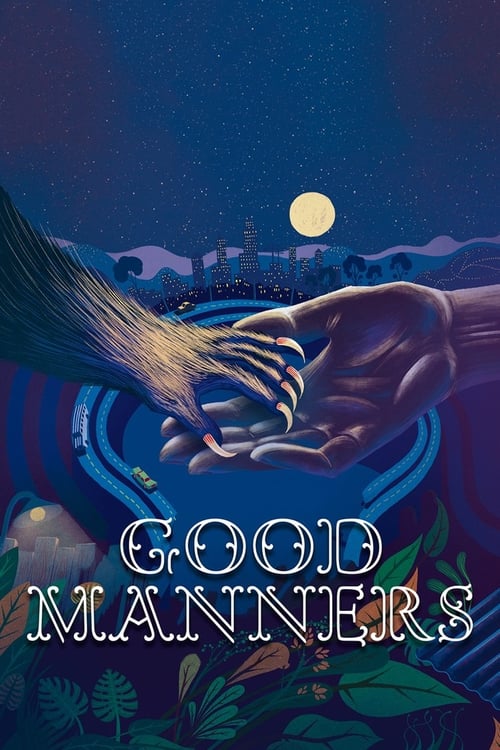

















Popular
What is the relationship between Clara and Ana in Good Manners?
What is the significance of the wolf motif in Good Manners?
How does Clara's pregnancy affect her character development throughout the film?
What role does the setting play in the development of the story in Good Manners?
How does Ana's character evolve throughout Good Manners?
Should I watch it?
Ask Your Own Question

What is the plot?
Sorry, we aren't able to watch and write up a full detailed plot yet. Check back in a few days.

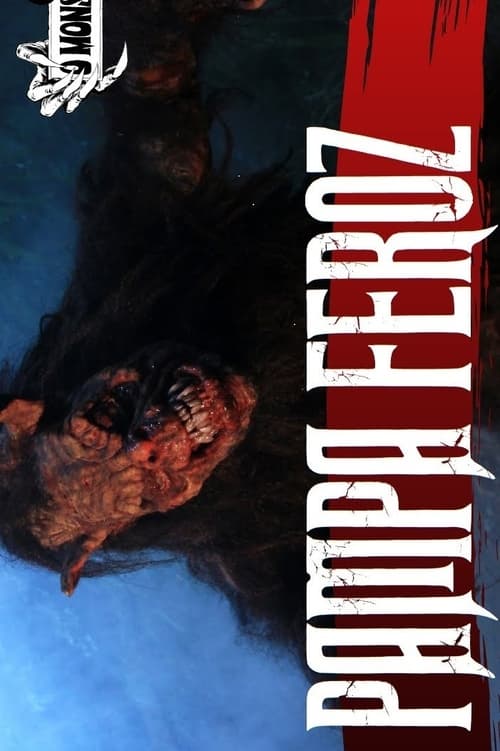



What is the ending?
In the ending of "Good Manners," Clara, who has been caring for the child, discovers the truth about the boy's nature. After a series of tragic events, she ultimately confronts the reality of the situation, leading to a heartbreaking conclusion that intertwines love, sacrifice, and the monstrous transformation of the child.
As the film progresses towards its conclusion, the atmosphere becomes increasingly tense and foreboding. Clara, who has been a devoted caregiver to the boy, begins to notice his strange behavior and the dark secrets surrounding his lineage. The boy, who is revealed to be a werewolf, struggles with his dual nature, torn between his humanity and the monstrous instincts that emerge during the full moon.
In the final scenes, Clara is faced with a harrowing choice. After a violent incident where the boy's true nature is unleashed, she realizes that she must protect him from the world and himself. The emotional weight of her love for the boy clashes with the reality of the danger he poses. In a moment of desperation, Clara makes a profound sacrifice, choosing to embrace the boy's monstrous side in a bid to save him from a fate that would see him hunted and feared.
The film concludes with a haunting image of Clara and the boy, now fully aware of their intertwined fates. Clara's transformation into a creature of the night symbolizes her acceptance of the boy's nature, and the two are left to navigate their new reality together. The ending leaves viewers with a sense of melancholy, as the bond between Clara and the boy transcends the horror of their circumstances, highlighting themes of love, sacrifice, and the complexities of motherhood.
In summary, Clara's fate is one of transformation and acceptance, while the boy's fate is one of continued struggle with his identity. The film closes on a note of ambiguity, leaving the audience to ponder the implications of their choices and the nature of the bond they share.
Is there a post-credit scene?
In the movie "Good Manners" (2017), there is no post-credit scene. The film concludes its narrative without any additional scenes or content after the credits roll. The story wraps up with a poignant and emotional ending that leaves a lasting impact, focusing on the themes of motherhood, sacrifice, and the supernatural elements that have been woven throughout the film. The absence of a post-credit scene allows the audience to reflect on the complex relationship between Clara and the child, as well as the moral dilemmas presented in the story.
What is the relationship between Clara and Ana in Good Manners?
Clara is a wealthy woman who hires Ana, a poor nurse, to take care of her during her pregnancy. Their relationship evolves from a professional caregiver dynamic to a deep emotional bond, as Ana becomes increasingly involved in Clara's life and the mysterious circumstances surrounding her pregnancy.
What is the significance of the wolf motif in Good Manners?
The wolf motif symbolizes the primal instincts and the duality of human nature. It becomes particularly significant as it relates to the transformation of Clara's child, who exhibits wolf-like traits, representing the struggle between humanity and animalistic urges.
How does Clara's pregnancy affect her character development throughout the film?
Clara's pregnancy serves as a catalyst for her transformation. Initially portrayed as a wealthy, somewhat aloof woman, her pregnancy reveals her vulnerabilities and desires, leading her to make increasingly desperate and morally ambiguous choices as she grapples with the implications of her child's nature.
What role does the setting play in the development of the story in Good Manners?
The setting, which contrasts the affluent urban environment with the more isolated, eerie locations, enhances the film's atmosphere of tension and mystery. The stark differences between Clara's luxurious home and the darker, more foreboding areas reflect the internal conflicts of the characters and the themes of societal expectations versus primal instincts.
How does Ana's character evolve throughout Good Manners?
Ana begins as a dedicated nurse, but as she becomes more entwined in Clara's life and the secrets surrounding her pregnancy, she transforms into a protective figure. Her motivations shift from professional duty to a deep emotional connection, ultimately leading her to make significant sacrifices for Clara and the child.
Is this family friendly?
"Good Manners" (2017) is a film that blends elements of horror, fantasy, and social commentary, and it contains several scenes and themes that may not be suitable for children or sensitive viewers. Here are some potentially objectionable or upsetting aspects:
-
Violence and Gore: The film includes scenes of violence that may be disturbing, including blood and gore that are integral to the horror elements of the story.
-
Supernatural Themes: The narrative involves supernatural elements that may be frightening for younger audiences, including transformations and monstrous imagery.
-
Themes of Isolation and Despair: Characters experience deep emotional struggles, including feelings of isolation, which may be heavy for sensitive viewers.
-
Parental Neglect: There are themes of neglect and abandonment that could be upsetting, particularly for children.
-
Mature Themes: The film explores complex adult themes such as motherhood, identity, and societal expectations, which may not resonate with younger viewers.
-
Emotional Distress: Characters undergo significant emotional turmoil, which may evoke feelings of sadness or discomfort.
Overall, "Good Manners" is not considered family-friendly due to its mature content and themes that may be unsettling for children and sensitive individuals.









