
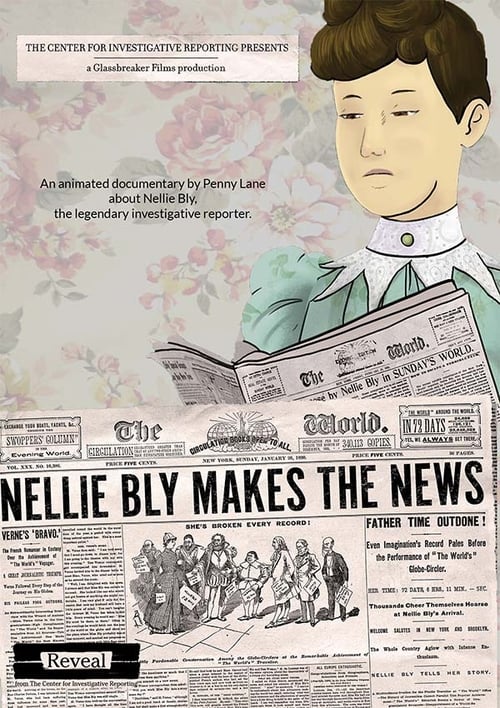


Popular
What motivates Nellie Bly to go undercover in the mental institution?
How does Nellie Bly prepare for her undercover assignment?
What challenges does Nellie face while living in the mental institution?
How do Nellie's interactions with other patients influence her experience?
What role does Nellie's editor play in her journey?
Should I watch it?
Ask Your Own Question

What is the plot?
Sorry, we aren't able to watch and write up a full detailed plot yet. Check back in a few days.








What is the ending?
In the ending of "Nellie Bly Makes the News," Nellie Bly successfully exposes the harsh realities of the mental institution she infiltrated, leading to significant reforms in the treatment of patients. Her determination and courage earn her recognition as a pioneering journalist. The film concludes with her reflecting on her journey and the impact of her work, while also hinting at her future endeavors in journalism.
As the final act unfolds, the scene transitions to the mental institution where Nellie Bly has been working undercover. The atmosphere is tense, filled with the sounds of distressed patients and the oppressive silence of the staff. Nellie, portrayed with a fierce determination, gathers her notes and prepares to reveal the truth about the inhumane conditions she has witnessed. Her heart races, not just from the fear of being discovered, but from the weight of the responsibility she feels to give a voice to those who cannot speak for themselves.
In the next scene, Nellie meets with her editor, who is initially skeptical about the story she has to tell. The dimly lit office is filled with the scent of ink and paper, and the tension is palpable as she passionately recounts her experiences. Her eyes shine with conviction as she describes the suffering of the patients, the neglect, and the cruelty she has observed. The editor, moved by her fervor, agrees to publish her findings, recognizing the potential impact of her story.
As the article is published, the scene shifts to the bustling streets of New York City. People gather around newsstands, their faces a mix of shock and concern as they read about the conditions in the asylum. The camera captures the reactions of the public, illustrating the awakening of social consciousness. Nellie watches from a distance, her heart swelling with a mix of pride and anxiety. She knows that her work has the power to change lives, but she also understands the challenges that lie ahead.
In the following scenes, we see the aftermath of Nellie's revelations. The institution is investigated, and reforms are initiated. The once-silent patients begin to receive the care they desperately need. Nellie is celebrated as a hero, but she remains humble, reflecting on the faces of those she fought for. Her journey has not only changed the lives of others but has also transformed her own understanding of journalism and its responsibilities.
The film concludes with a poignant moment where Nellie stands on a rooftop overlooking the city, the sun setting behind her. She contemplates her next steps, her expression a blend of hope and determination. The final shot lingers on her face, capturing the essence of a woman who has not only made the news but has also become a catalyst for change. The screen fades to black, leaving the audience with a sense of inspiration and the knowledge that Nellie Bly's story is far from over.
In this ending, Nellie Bly emerges as a symbol of courage and resilience, while the film emphasizes the importance of truth in journalism and the impact one individual can have on society. The fates of the main characters are intertwined with the larger narrative of social reform, showcasing the power of storytelling in the face of adversity.
Is there a post-credit scene?
In the movie "Nellie Bly Makes the News," there is no post-credit scene. The film concludes with a powerful resolution that encapsulates Nellie Bly's journey and her impact on journalism and society. The final moments focus on her triumphs and the legacy she leaves behind, emphasizing her role as a pioneering investigative journalist. The credits roll without any additional scenes, allowing the audience to reflect on her story and the themes of courage and perseverance that permeate the film.
What motivates Nellie Bly to go undercover in the mental institution?
Nellie Bly, portrayed as a determined and ambitious journalist, is driven by a desire to expose the harsh realities faced by patients in mental institutions. Her motivation stems from a deep sense of justice and a commitment to uncovering the truth, particularly after hearing about the mistreatment of women in such facilities. This personal conviction fuels her decision to go undercover, as she believes that revealing these injustices can lead to reform.
How does Nellie Bly prepare for her undercover assignment?
Nellie meticulously prepares for her undercover assignment by studying the behaviors and characteristics of mentally ill patients. She practices her act of feigning madness, ensuring she can convincingly portray someone who belongs in the institution. This preparation is filled with tension as she grapples with the fear of losing her identity and the potential dangers she may face once inside the asylum.
What challenges does Nellie face while living in the mental institution?
Once inside the mental institution, Nellie faces numerous challenges, including the oppressive environment, the cruelty of the staff, and the disbelief of the other patients. She experiences firsthand the neglect and abuse that patients endure, which tests her resolve and emotional strength. The isolation and fear of being trapped in this world weigh heavily on her, creating a constant internal struggle as she fights to maintain her composure and gather information.
How do Nellie's interactions with other patients influence her experience?
Nellie's interactions with other patients are pivotal to her experience in the institution. She forms bonds with several women, each with their own tragic stories, which deepens her empathy and commitment to their cause. These relationships highlight the shared suffering and resilience among the patients, and they serve as a source of emotional support for Nellie as she navigates the challenges of her undercover mission.
What role does Nellie's editor play in her journey?
Nellie's editor plays a crucial role in her journey by providing both encouragement and skepticism. He initially supports her ambitious idea but also expresses concern for her safety, reflecting the tension between journalistic ambition and personal risk. His reactions serve as a grounding force for Nellie, reminding her of the stakes involved in her investigation and pushing her to remain focused on her goal of exposing the truth.
Is this family friendly?
"Nellie Bly Makes the News" is generally considered family-friendly, but it does contain some themes and scenes that may be sensitive for children or those who are particularly sensitive.
-
Mental Health Themes: The film addresses issues related to mental health, including the treatment of individuals in asylums during the late 19th century. This may be distressing for some viewers, especially younger audiences.
-
Depictions of Injustice: There are scenes that portray the harsh realities faced by women and marginalized individuals during the time period, including societal oppression and discrimination, which may be upsetting.
-
Emotional Struggles: Characters experience significant emotional turmoil, including fear, desperation, and frustration, which could resonate deeply with sensitive viewers.
-
Historical Context: The film touches on the darker aspects of history, including the treatment of the mentally ill and the societal norms of the time, which may provoke difficult conversations.
Overall, while the film is suitable for a family audience, parents may want to consider these elements when deciding if it is appropriate for younger viewers.









