











Popular
What motivates Nick Lowell to join the Yakuza?
How does Nick's relationship with the Yakuza evolve throughout the film?
What role does the character of Kiyoshi play in Nick's journey?
How does Nick's past as a soldier influence his actions in the film?
What is the significance of the relationship between Nick and the Yakuza's code of honor?
Should I watch it?
Ask Your Own Question

What is the plot?
Sorry, we aren't able to watch and write up a full detailed plot yet. Check back in a few days.
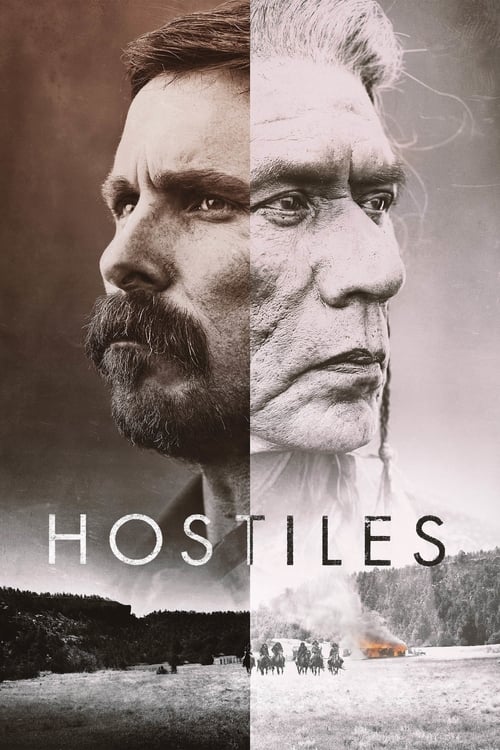



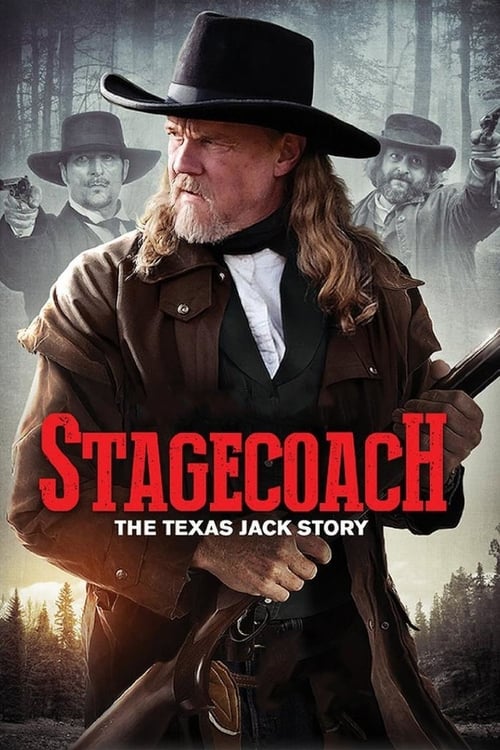
What is the ending?
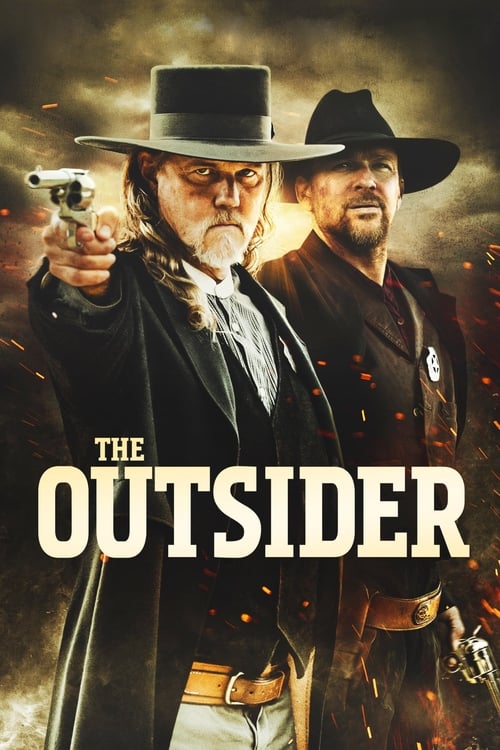
In the ending of "The Outsider," Nick Lowell confronts the Yakuza and ultimately decides to take a stand against them. He faces a moral dilemma as he grapples with his identity and the consequences of his actions. The film concludes with a violent confrontation, leading to significant losses for both Nick and the Yakuza, and ultimately, Nick's fate is left ambiguous.
As the film approaches its climax, the tension escalates within the confines of the Yakuza's world. Nick Lowell, portrayed by Jared Leto, has been deeply entrenched in the criminal underbelly of post-war Japan, having initially sought to find his place in this foreign land. His journey has been marked by a struggle for identity and belonging, but as he witnesses the brutal realities of the Yakuza's operations, he begins to question his loyalties.
In the penultimate scenes, Nick learns that his friend and ally, a fellow prisoner named Kiyoshi, has been brutally murdered by the Yakuza. This act of violence ignites a fire within Nick, pushing him to confront the very organization he had once sought to align himself with. The emotional weight of Kiyoshi's death weighs heavily on him, and he feels a profound sense of loss and betrayal. Nick's internal conflict intensifies as he grapples with the consequences of his choices and the violent world he has become a part of.
The final confrontation takes place in a dimly lit warehouse, a stark contrast to the vibrant streets of Tokyo. Nick, fueled by rage and a desire for vengeance, prepares to face the Yakuza head-on. He is armed and ready, but there is a palpable sense of dread as he steps into the lion's den. The atmosphere is thick with tension, and the stakes are higher than ever.
As the confrontation unfolds, Nick engages in a brutal fight with the Yakuza members. The choreography of the fight scenes is raw and visceral, showcasing the desperation and ferocity of Nick's struggle. He fights not only for his own survival but also to avenge Kiyoshi's death. The violence is unrelenting, and the camera captures every blow, every grimace, and every moment of hesitation that reflects Nick's internal turmoil.
In the midst of the chaos, Nick confronts the Yakuza leader, who embodies the very essence of the criminal empire Nick has come to despise. Their confrontation is charged with emotion, as Nick's motivations are laid bare. He is no longer the outsider seeking acceptance; he has transformed into a man driven by a need for justice, albeit through violent means.
As the dust settles, the aftermath of the confrontation reveals the heavy toll of Nick's choices. The warehouse is littered with bodies, a testament to the brutality of the conflict. Nick stands amidst the chaos, bloodied and battered, but there is a sense of ambiguity in his expression. He has achieved a form of vengeance, but at what cost? The Yakuza's power has been momentarily shaken, but the cycle of violence continues.
In the final moments, Nick's fate hangs in the balance. He walks away from the scene, but the weight of his actions lingers. The film closes on a haunting note, leaving the audience to ponder the implications of Nick's journey. His transformation from an outsider seeking belonging to a man entangled in a web of violence serves as a poignant reminder of the complexities of identity and the consequences of one's choices.
The fates of the main characters are starkly illustrated: Kiyoshi is lost to the violence of the Yakuza, a victim of the very world Nick sought to navigate. Nick, while surviving the confrontation, is left with the scars of his actions, both physical and emotional. The Yakuza, though momentarily weakened, remain a formidable force, suggesting that the cycle of violence and retribution is far from over. The film concludes with a sense of unresolved tension, encapsulating the harsh realities of loyalty, identity, and the cost of vengeance.
Is there a post-credit scene?
The movie "The Outsider," produced in 2019, does not have a post-credit scene. The film concludes its narrative without any additional scenes or content after the credits roll. The story wraps up with the main character, Nick Lowell, having undergone significant transformation and facing the consequences of his choices, leaving the audience with a sense of closure regarding his journey.
What motivates Nick Lowell to join the Yakuza?
Nick Lowell, a former American soldier, is motivated by a desire for belonging and purpose after struggling to adjust to civilian life. His connection with the Yakuza begins when he saves a member from a violent situation, leading him to be drawn into their world as he seeks acceptance and a sense of family.
How does Nick's relationship with the Yakuza evolve throughout the film?
Initially, Nick is an outsider looking to find his place within the Yakuza, but as he becomes more entrenched in their operations, he grapples with the moral implications of his actions. His relationship with the Yakuza deepens as he rises in rank, but he also faces internal conflict as he witnesses the brutality and violence that comes with the lifestyle.
What role does the character of Kiyoshi play in Nick's journey?
Kiyoshi serves as a mentor and a bridge for Nick into the Yakuza world. He introduces Nick to the intricacies of the organization and helps him navigate the cultural differences. However, Kiyoshi's eventual fate becomes a pivotal moment for Nick, forcing him to confront the consequences of his choices and the violent reality of the life he has chosen.
How does Nick's past as a soldier influence his actions in the film?
Nick's military background shapes his approach to conflict and survival. His training makes him adept at handling violence, which initially aids him in the Yakuza world. However, it also creates a disconnect between his past values and the brutal reality of the criminal underworld, leading to moments of intense internal struggle as he reconciles his identity.
What is the significance of the relationship between Nick and the Yakuza's code of honor?
The Yakuza's code of honor is central to the narrative, as it dictates the actions and decisions of its members. Nick's initial admiration for this code becomes complicated as he witnesses its darker aspects. His struggle to adhere to this code while grappling with his own moral compass highlights the tension between loyalty and personal ethics, ultimately shaping his character arc.
Is this family friendly?
"The Outsider" (2019) is not considered family-friendly due to its mature themes and content. Here are some potentially objectionable or upsetting aspects that may affect children or sensitive viewers:
-
Violence: The film contains several scenes of graphic violence, including physical confrontations and brutal acts that may be disturbing.
-
Murder: There are depictions of murder and the aftermath, which can be intense and unsettling.
-
Drug Use: The film includes scenes that portray drug use and the associated lifestyle, which may be inappropriate for younger audiences.
-
Racial Tensions: The narrative explores themes of racism and discrimination, which may be challenging for some viewers to process.
-
Emotional Turmoil: Characters experience significant emotional distress, including themes of loss, betrayal, and identity crisis, which may be heavy for sensitive viewers.
-
Language: The dialogue includes strong language that may not be suitable for children.
These elements contribute to the film's overall tone and may not be appropriate for a younger audience or those who are sensitive to such content.









