
























Popular
What is the significance of the basketball agent Ray Burke's strategy in the film?
How does the relationship between Ray Burke and his client Eric Scott evolve throughout the film?
What role does the character of Sam represent in Ray's life and career?
How does the film depict the impact of the NBA lockout on the players and their careers?
What is the significance of the final scene involving Eric and the basketball court?
Should I watch it?
Ask Your Own Question

What is the plot?
Sorry, we aren't able to watch and write up a full detailed plot yet. Check back in a few days.






What is the ending?
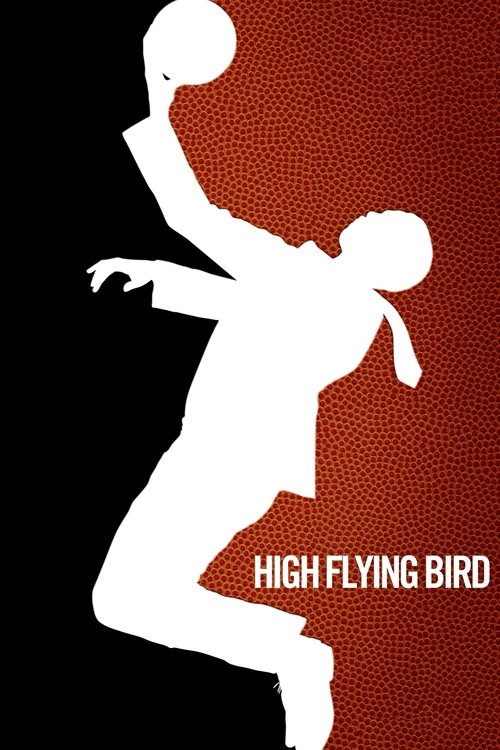
In the ending of "High Flying Bird," Ray Burke successfully orchestrates a plan to empower the players in the NBA by leveraging their influence and creating a new platform for them. He confronts the power dynamics of the league and ultimately secures a deal that allows the players to take control of their own narrative. The film concludes with a sense of hope and agency for the players, particularly for Eric Scott, who is inspired to take charge of his career.
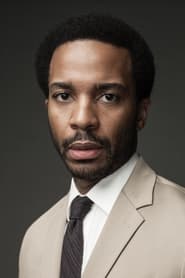
As the film approaches its climax, Ray Burke, a sports agent, finds himself in a high-stakes situation. The NBA is in a lockout, and the players are feeling the pressure of being sidelined. Ray, played by André Holland, is determined to turn the situation to his advantage. He has been working behind the scenes, strategizing a way to empower the players and challenge the status quo of the league.
In the final act, Ray meets with Eric Scott, a young player who is struggling with the uncertainty of the lockout. Eric, portrayed by Melvin Gregg, is initially anxious and unsure about his future. Ray, however, sees potential in him and encourages him to take a stand. He reveals his plan to create a new basketball league that would allow players to have more control over their careers and the way the game is played. This moment is pivotal for Eric, as he begins to understand the power he holds as a player.
Ray's plan involves a bold move: he sets up a live-streamed game featuring players who are currently locked out. This game is not just a showcase of talent; it is a statement against the league's control. As the game unfolds, the atmosphere is electric. Players who have been sidelined come together, showcasing their skills and camaraderie. The energy is palpable, and the stakes are high. Ray watches from the sidelines, a mix of pride and anxiety on his face, knowing that this could change everything.
As the game progresses, the players begin to realize the impact of their actions. They are not just playing for themselves; they are playing for their rights and their futures. The camaraderie and unity among the players shine through, and the audience can feel the shift in power dynamics. Ray's vision is coming to life, and the players are starting to embrace their agency.
In a crucial moment, Eric steps up, demonstrating his talent and leadership on the court. He plays with passion and determination, embodying the spirit of the movement Ray has ignited. The game ends on a high note, with the players celebrating their performance and the message they have sent to the league.
The film concludes with Ray and Eric having a conversation about the future. Ray expresses his belief in Eric and the potential for change within the league. Eric, now more confident and empowered, acknowledges the importance of taking control of his narrative. The final scene leaves viewers with a sense of hope, as the players have taken a significant step towards redefining their roles in the world of basketball.
In the aftermath, Ray's plan has not only brought the players together but has also challenged the traditional power structures of the NBA. The film ends with a sense of possibility, highlighting the importance of agency, unity, and the fight for one's rights in the face of adversity. Each character, particularly Ray and Eric, emerges with a renewed sense of purpose, ready to navigate the complexities of their careers and the world of sports.
Is there a post-credit scene?
The movie "High Flying Bird," directed by Steven Soderbergh, does not have a post-credit scene. The film concludes its narrative without any additional scenes after the credits roll. The story wraps up with a focus on the main character, Ray Burke, and his strategic maneuvering within the world of professional basketball, leaving the audience to reflect on the themes of power, control, and the future of the sport.
What is the significance of the basketball agent Ray Burke's strategy in the film?
Ray Burke, played by André Holland, devises a bold strategy to leverage the power of the players during a lockout. His plan involves using a rookie player, Eric Scott, to create a new platform for players to showcase their talents outside the traditional NBA structure. This strategy highlights Ray's deep understanding of the business and his desire to empower the players, reflecting his internal conflict between loyalty to his clients and the corrupt system of the league.
How does the relationship between Ray Burke and his client Eric Scott evolve throughout the film?
Initially, Ray sees Eric as a promising talent but also as a pawn in his larger game against the NBA's power structure. As the story progresses, their relationship deepens; Ray becomes a mentor to Eric, guiding him through the complexities of the business and encouraging him to assert his own agency. Eric's growth from a naive rookie to a more self-aware player mirrors Ray's own journey, as both characters confront their vulnerabilities and the harsh realities of their industry.
What role does the character of Sam represent in Ray's life and career?
Sam, portrayed by Zazie Beetz, serves as a grounding force for Ray. She is not only a friend but also a voice of reason, challenging Ray's decisions and pushing him to consider the ethical implications of his actions. Their conversations reveal Ray's internal struggles and his desire to make a meaningful impact in the lives of his clients, while also highlighting the personal sacrifices he makes in pursuit of his ambitions.
How does the film depict the impact of the NBA lockout on the players and their careers?
The NBA lockout serves as a critical backdrop for the film, illustrating the uncertainty and anxiety faced by players like Eric Scott. The lockout disrupts their careers, leaving them in limbo and forcing them to confront their financial vulnerabilities. This tension drives the narrative, as Ray's efforts to navigate the situation reflect the broader struggles of athletes in a system that often prioritizes profit over people.
What is the significance of the final scene involving Eric and the basketball court?
In the final scene, Eric takes control of his narrative by stepping onto the basketball court, symbolizing his newfound agency and confidence. This moment encapsulates the film's themes of empowerment and self-determination, as Eric embraces his identity as a player outside the constraints of the NBA. It serves as a powerful conclusion to his character arc, showcasing his growth and the impact of Ray's mentorship.
Is this family friendly?
"High Flying Bird," directed by Steven Soderbergh, is primarily focused on the world of professional basketball and the business dynamics surrounding it. While the film does not contain explicit violence or graphic content, there are several elements that may be considered objectionable or upsetting for children or sensitive viewers:
-
Strong Language: The film features instances of profanity, which may not be suitable for younger audiences.
-
Adult Themes: The narrative delves into complex themes such as power dynamics, exploitation in sports, and the struggles of athletes, which may be difficult for younger viewers to fully grasp.
-
Emotional Tension: Characters experience significant stress and conflict, particularly related to their careers and personal lives, which could be intense for sensitive viewers.
-
Substance Use: There are references to alcohol and the pressures of the sports industry, which may not be appropriate for children.
-
Socioeconomic Issues: The film addresses themes of inequality and systemic issues within the sports industry, which may be heavy topics for younger audiences.
Overall, while "High Flying Bird" is not overtly graphic, its mature themes and language may make it less suitable for a family-friendly viewing experience.