
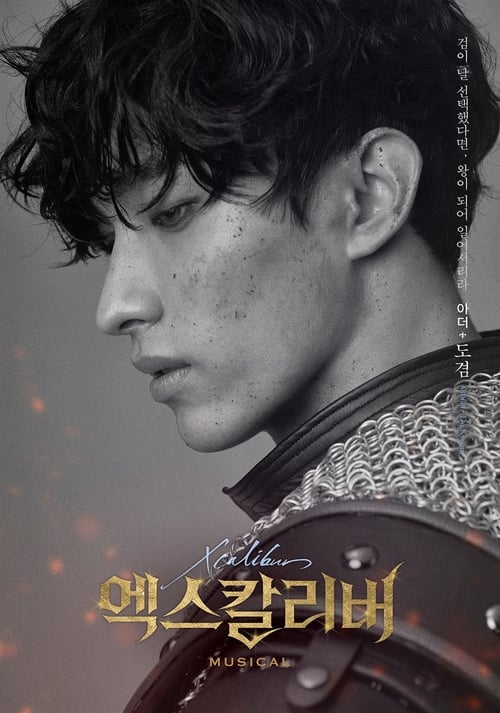









Popular
What is the significance of the sword Excalibur in the story?
What role does Merlin play in Arthur's journey?
How does Arthur's relationship with Guinevere evolve throughout the musical?
How does the character of Lancelot impact the dynamics of the Round Table?
What are the key challenges Arthur faces in uniting the kingdom?
Should I watch it?
Ask Your Own Question

What is the plot?
Sorry, we aren't able to watch and write up a full detailed plot yet. Check back in a few days.








What is the ending?
In the ending of "Xcalibur: The Musical Live," Arthur, having faced numerous trials and tribulations, finally confronts the dark forces threatening his kingdom. With the help of his loyal knights and the power of Excalibur, he defeats the evil sorceress Morgana. The kingdom is restored to peace, and Arthur is recognized as the rightful king. The musical concludes with a celebration of unity and hope for the future.
As the final act unfolds, the stage is set with a dramatic backdrop of Camelot, illuminated by soft, ethereal lighting that casts a hopeful glow over the scene. The atmosphere is thick with tension as Arthur stands at the center, gripping Excalibur tightly, his face a mixture of determination and vulnerability. The audience can feel the weight of his journey, the sacrifices made, and the burden of leadership resting heavily on his shoulders.
Scene 1: The Confrontation The scene opens with Arthur facing Morgana, who stands defiantly at the edge of a darkened stage, her presence commanding and ominous. The air crackles with magic as she taunts Arthur, revealing her plans to plunge Camelot into chaos. Arthur, fueled by the love for his people and the memory of his fallen comrades, steps forward, his voice steady yet filled with emotion. He declares that he will not allow her darkness to consume the kingdom. The tension escalates as Morgana unleashes her dark magic, and the stage erupts into a fierce battle of light and shadow.
Scene 2: The Battle The knights of the Round Table, including loyal companions like Lancelot and Gawain, join Arthur in the fray. The choreography is intense, with dancers portraying the chaos of battle, swords clashing, and spells being cast. Each knight fights valiantly, showcasing their unique strengths and unwavering loyalty to Arthur. The audience is drawn into the heart of the conflict, feeling the stakes rise as Morgana's power seems overwhelming. Arthur, however, remains resolute, his connection to Excalibur growing stronger as he channels the hopes of his people.
Scene 3: The Turning Point As the battle rages on, Arthur experiences a moment of doubt, questioning whether he is truly worthy of Excalibur. In this vulnerable moment, he recalls the teachings of Merlin and the sacrifices of those who fought for Camelot. The music swells, and a powerful ballad ensues, highlighting Arthur's internal struggle and his determination to rise above his fears. With renewed strength, he raises Excalibur high, its blade shimmering with light, symbolizing hope and justice.
Scene 4: The Final Showdown In a climactic moment, Arthur confronts Morgana directly. The stage is filled with swirling lights and dramatic music as they engage in a final duel. Morgana, desperate and furious, unleashes her most potent spells, but Arthur, now fully embracing his role as king, counters with the strength of Excalibur. The battle culminates in a breathtaking display of light as Arthur strikes the final blow, dispelling Morgana's dark magic and restoring balance to the kingdom.
Scene 5: The Aftermath With Morgana defeated, the stage transforms into a scene of celebration. The knights gather around Arthur, who stands tall, a mixture of relief and pride washing over him. The citizens of Camelot emerge, their faces filled with joy and gratitude. Arthur addresses his people, expressing his commitment to lead with wisdom and compassion. The musical concludes with a powerful anthem of unity, as the characters join together in song, celebrating the triumph of good over evil and the hope for a brighter future.
Fate of the Main Characters: - Arthur: Emerges as a strong and just king, having proven his worthiness and solidified his place as the rightful ruler of Camelot. - Morgana: Defeated and banished, her dark ambitions thwarted, leaving a lingering sense of caution about the dangers of unchecked power. - Lancelot and Gawain: Stand by Arthur's side, their loyalty rewarded as they look forward to rebuilding Camelot together. - The citizens of Camelot: Rejoice in their newfound peace, united under Arthur's leadership, hopeful for the future.
The musical closes with a sense of hope and renewal, leaving the audience inspired by the journey of the characters and the enduring power of unity and courage.
Is there a post-credit scene?
In "Xcalibur: The Musical Live," there is no post-credit scene. The production concludes with a powerful final number that encapsulates the themes of bravery, unity, and the quest for honor. The audience is left with a sense of resolution as the characters reflect on their journeys and the lessons learned throughout the story. The curtain falls, and the cast takes their bows, leaving viewers with the emotional weight of the narrative rather than a teaser for future events.
What is the significance of the sword Excalibur in the story?
Excalibur serves as a powerful symbol of rightful sovereignty and the burden of leadership. It is not just a weapon but a representation of King Arthur's legitimacy and his connection to the land. The moment Arthur pulls Excalibur from the stone, it signifies his destiny to unite the kingdom and the expectations that come with such power.
What role does Merlin play in Arthur's journey?
Merlin acts as a mentor and guide to Arthur, providing wisdom and magical assistance throughout his journey. He embodies the archetype of the wise old man, helping Arthur navigate the challenges of leadership and the moral dilemmas he faces. Merlin's own struggles with the passage of time and his eventual fate add depth to his character and influence Arthur's decisions.
How does Arthur's relationship with Guinevere evolve throughout the musical?
Arthur's relationship with Guinevere is complex and filled with emotional turmoil. Initially, there is a deep bond of love and trust, but as the story progresses, Guinevere's feelings for Lancelot create a rift. Arthur grapples with feelings of betrayal and heartbreak, which ultimately lead to a tragic confrontation that tests their loyalty and love.
How does the character of Lancelot impact the dynamics of the Round Table?
Lancelot is portrayed as a noble knight whose exceptional skills and charisma initially elevate the Round Table's reputation. However, his affair with Guinevere introduces conflict and jealousy among the knights, particularly with Arthur. Lancelot's internal conflict between loyalty to Arthur and his love for Guinevere creates tension that ultimately leads to the disintegration of the fellowship.
What are the key challenges Arthur faces in uniting the kingdom?
Arthur faces numerous challenges, including external threats from rival factions and internal strife among his own knights. He must navigate political intrigue, betrayal, and the moral implications of his decisions. The struggle to maintain unity among the diverse and often conflicting interests of his knights, while also dealing with his personal relationships, adds layers to his character and the narrative.
Is this family friendly?
"Xcalibur: The Musical Live," produced in 2019, is generally considered family-friendly, but it does contain some elements that may be sensitive for younger audiences or those who are particularly sensitive. Here are a few aspects to consider:
-
Violence and Battle Scenes: The musical features scenes of combat and conflict, including sword fights and battles that may be intense for younger viewers. The choreography is dramatic, and while not graphic, the tension may be unsettling.
-
Themes of Betrayal and Loss: Characters experience betrayal and loss, which can evoke strong emotions. These themes are explored through the relationships between characters, particularly in moments of conflict and heartbreak.
-
Dark Imagery: Some visual elements may include darker themes, such as the portrayal of evil characters and ominous settings that could be frightening for sensitive children.
-
Romantic Tensions: There are romantic subplots that may include moments of longing and heartache, which could be confusing or uncomfortable for younger audiences.
-
Moral Dilemmas: Characters face moral choices that lead to significant consequences, which may prompt deeper discussions about right and wrong.
Overall, while "Xcalibur: The Musical Live" is designed to be entertaining for a wide audience, parents may want to consider these elements when deciding if it is suitable for their children.