
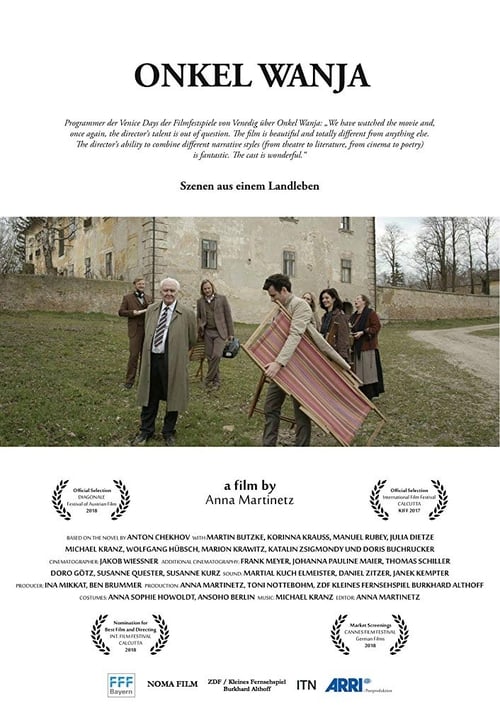






Popular
What is the relationship between Onkel Wanja and the professor?
How does Yelena feel about her marriage to the professor?
What role does Astrov play in the story, and what are his motivations?
How does the character of Maria influence the dynamics of the household?
What is the significance of the estate where the characters live?
Should I watch it?
Ask Your Own Question

What is the plot?
Sorry, we aren't able to watch and write up a full detailed plot yet. Check back in a few days.
More Movies Like This
Browse All Movies →



What is the ending?
In the ending of the 2019 film "Onkel Wanja," the characters face the consequences of their emotional turmoil and unfulfilled desires. Wanja, filled with despair and frustration, confronts the reality of his unrequited love for Yelena. The film concludes with a sense of resignation and unresolved tension among the characters, leaving their futures uncertain.
As the final scenes unfold, we find ourselves in the familiar setting of the country estate, where the air is thick with unspoken words and lingering emotions. The atmosphere is heavy, reflecting the culmination of the characters' struggles.
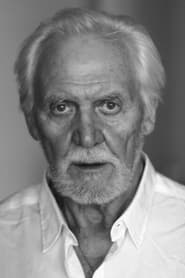
Wanja, played with palpable intensity, is in a state of emotional upheaval. He has just confronted the visiting professor, Serebryakov, who has been a source of discontent and jealousy for him. The tension between Wanja and Serebryakov reaches a boiling point, as Wanja's pent-up frustrations spill over. He feels betrayed by the professor's indifference to the life and love that surrounds him, particularly his feelings for Yelena, the professor's young wife.
In a moment of desperation, Wanja brandishes a gun, a symbol of his inner turmoil and the drastic measures he contemplates. However, instead of violence, he ultimately lowers the weapon, reflecting a deep internal conflict. This act signifies his recognition of the futility of his rage and the realization that he cannot change the circumstances of his life or the affections of those around him.
Yelena, portrayed with a blend of beauty and melancholy, stands as a figure of unattainable desire for Wanja. Throughout the film, her presence has stirred a mix of hope and despair within him. In the final moments, she expresses her own disillusionment with her life and the choices she has made. Her interactions with Wanja are charged with unfulfilled longing, and as she prepares to leave, it becomes clear that she, too, is trapped in a life that does not satisfy her emotional needs.
Astrov, the doctor who has also harbored feelings for Yelena, finds himself caught in the web of unrequited love. His character embodies the struggle between duty and desire, and as the film draws to a close, he grapples with the realization that his affections may never be reciprocated. He shares a poignant farewell with Yelena, acknowledging the pain of their situation but also the inevitability of their parting.
The professor, Serebryakov, remains largely oblivious to the emotional chaos surrounding him. His self-absorption and lack of awareness contribute to the discontent of those around him. As he prepares to leave the estate, he does so without understanding the depth of the sacrifices and feelings that have been laid bare in his presence.
As the characters disperse, the estate feels like a character in itself, a witness to their struggles and heartaches. Wanja, left alone, reflects on the futility of his dreams and the weight of his unfulfilled desires. The film closes on a note of resignation, with Wanja's internal conflict unresolved, leaving the audience to ponder the complexities of love, longing, and the human condition.
In the end, Wanja remains trapped in his unrequited love, Yelena departs with a sense of loss, Astrov is left to confront his own unfulfilled desires, and Serebryakov continues on, unaware of the emotional wreckage he leaves behind. The film concludes with a haunting sense of unresolved tension, encapsulating the characters' struggles and the poignant realities of their lives.
Is there a post-credit scene?
The movie "Onkel Wanja," produced in 2019, does not feature a post-credit scene. The film concludes its narrative without any additional scenes or content after the credits roll. The focus remains on the emotional and dramatic arcs of the characters throughout the film, particularly the tensions and relationships that unfold in the setting of the rural estate. The ending leaves viewers with a sense of reflection on the themes of unfulfilled dreams and the complexities of human relationships, rather than providing any further narrative developments in a post-credit sequence.
What is the relationship between Onkel Wanja and the professor?
Onkel Wanja, who is deeply infatuated with Yelena, the professor's young wife, feels a mix of admiration and resentment towards the professor. Wanja's feelings are complicated by the professor's arrogance and the way he disrupts the lives of those around him, particularly Wanja's own unfulfilled dreams.
How does Yelena feel about her marriage to the professor?
Yelena is portrayed as a beautiful but disillusioned woman who feels trapped in her marriage to the professor. She is aware of Wanja's affections and often finds herself torn between her desire for freedom and the societal expectations placed upon her as the professor's wife.
What role does Astrov play in the story, and what are his motivations?
Astrov is a local doctor who becomes a confidant to both Wanja and Yelena. He is passionate about his work and deeply concerned about the environment, which reflects his inner turmoil. His motivations are driven by a desire for a meaningful life and a longing for Yelena, which complicates his professional and personal relationships.
How does the character of Maria influence the dynamics of the household?
Maria, Wanja's mother, represents the older generation's values and is often seen as a voice of reason. Her presence adds a layer of tension as she is protective of Wanja and critical of the professor, which highlights the generational divide and the struggles of the characters to find their place in a changing world.
What is the significance of the estate where the characters live?
The estate serves as a physical representation of the characters' stagnation and unfulfilled dreams. It is a decaying symbol of the past, reflecting the emotional and existential crises faced by Wanja, Yelena, and the others, as they grapple with their desires and the reality of their lives.
Is this family friendly?
The 2019 film "Onkel Wanja," directed by Andreas Kriegenburg, is an adaptation of Anton Chekhov's play "Uncle Vanya." While it is a profound exploration of human emotions and relationships, it may not be considered family-friendly for younger audiences or sensitive viewers due to several potentially objectionable aspects:
-
Themes of Despair and Disillusionment: The film delves into deep existential themes, including unfulfilled dreams and the passage of time, which may be heavy for children to grasp.
-
Emotional Turmoil: Characters experience intense emotional struggles, including jealousy, regret, and longing, which can be distressing to witness.
-
Conflict and Tension: There are scenes of heated arguments and confrontations among characters that may be unsettling.
-
Romantic and Sexual Tension: The film includes elements of unrequited love and complex romantic relationships, which may not be suitable for younger viewers.
-
Depictions of Mental Health: Characters exhibit signs of depression and existential crisis, which could be triggering for some sensitive individuals.
-
Subtle Violence: While not graphic, there are moments of implied violence and emotional abuse that may be upsetting.
Overall, the film's mature themes and emotional depth make it more appropriate for adult audiences.









