
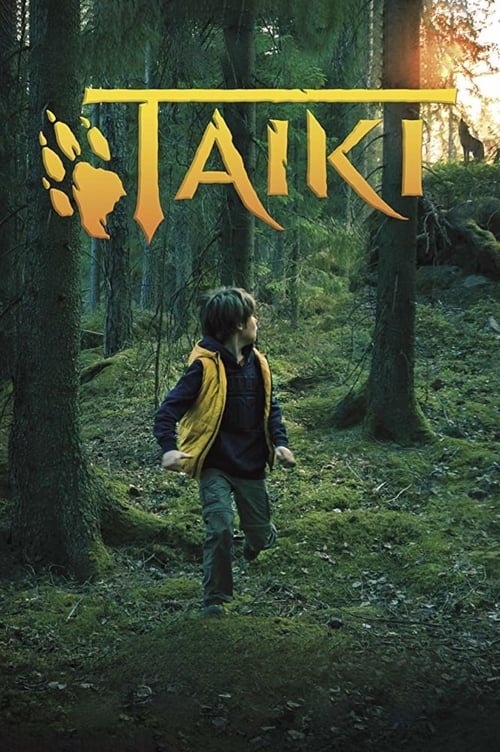








Popular
What motivates the main character, Taiki, throughout the film?
How does Taiki's relationship with his friends evolve during the story?
What role does the setting play in Taiki's journey?
What is the significance of the recurring dream Taiki has throughout the film?
How does Taiki confront his father, and what are the emotional stakes involved?
Should I watch it?
Ask Your Own Question

What is the plot?
Sorry, we aren't able to watch and write up a full detailed plot yet. Check back in a few days.







What is the ending?
In the ending of "Taiki," the protagonist, Taiki, confronts his inner demons and ultimately finds a sense of peace. He reconciles with his past and the relationships that have shaped him. The film concludes with Taiki embracing his identity and stepping into a new chapter of his life, leaving behind the burdens that have weighed him down.
As the final scenes unfold, we see Taiki standing at the edge of a cliff, overlooking a vast landscape. The sun is setting, casting a warm golden hue over everything. This moment symbolizes a turning point for him. He takes a deep breath, reflecting on the journey he has taken. Memories flash before his eyes--moments of joy, pain, and growth. Each memory is vivid, filled with the laughter of friends, the warmth of family, and the shadows of his struggles.
In the next scene, Taiki returns to his hometown, where he is greeted by familiar faces. There is a palpable tension in the air as he approaches his childhood friends. They share a moment of silence, acknowledging the distance that has grown between them over the years. However, as they begin to talk, the conversation flows more easily than expected. Laughter erupts, and the weight of unspoken words begins to lift. Taiki realizes that he is not alone; his friends have also faced their own battles.
The film then shifts to a poignant moment between Taiki and his estranged father. They meet in a small café, the atmosphere thick with unaddressed emotions. Taiki's father looks older, wearier, and regret hangs in the air. Taiki, feeling a mix of anger and longing, finally voices his feelings. The conversation is raw and emotional, filled with pauses and heavy silences. His father listens, and for the first time, they begin to understand each other. This moment of vulnerability leads to a tentative reconciliation, as they agree to take small steps towards rebuilding their relationship.
As the story progresses, Taiki finds solace in his passion for art. He begins to paint again, channeling his emotions onto the canvas. The colors are vibrant, reflecting his newfound clarity and hope. In a montage, we see him working tirelessly, creating pieces that resonate with his experiences. His art becomes a form of therapy, allowing him to express what words cannot.
The final scene brings Taiki to an art exhibition where he showcases his work. Friends and family gather, their faces filled with pride and admiration. Taiki stands in front of his paintings, a sense of fulfillment washing over him. He realizes that he has transformed his pain into something beautiful. The camera pans out, capturing the joy and connection in the room, as Taiki smiles, finally at peace with himself.
In the end, Taiki's journey is one of self-discovery and healing. He learns to embrace his past while looking forward to the future, surrounded by the love and support of those who matter most. Each character, from his friends to his father, plays a crucial role in his transformation, highlighting the importance of connection and understanding in overcoming personal struggles.
Is there a post-credit scene?
In the movie "Taiki," produced in 2019, there is indeed a post-credit scene that adds an intriguing layer to the story. After the credits roll, the screen fades back in to reveal a serene landscape, reminiscent of the film's earlier scenes. The camera pans slowly over a lush, green field, dotted with wildflowers swaying gently in the breeze.
As the scene unfolds, we see Taiki, the protagonist, sitting on a hilltop, gazing thoughtfully at the horizon. His expression is a mix of hope and contemplation, reflecting the journey he has undergone throughout the film. The sun is setting, casting a warm golden hue over the landscape, symbolizing new beginnings and the promise of change.
In this moment of solitude, Taiki pulls out a small, weathered notebook from his backpack. He flips through the pages, revealing sketches and notes that document his experiences and the people he has met along the way. Each page is filled with vibrant illustrations that capture the essence of his adventures, showcasing his growth and the connections he has forged.
Suddenly, a figure appears in the distance, walking towards him. As the figure approaches, it becomes clear that it is a familiar character from earlier in the film, someone who played a significant role in Taiki's journey. Their reunion is filled with unspoken understanding and warmth, hinting at the possibility of new adventures together.
The scene closes with Taiki looking up at the sky, a smile breaking across his face as he embraces the future with optimism. The screen fades to black, leaving the audience with a sense of closure and the excitement of what lies ahead for Taiki and his companions. This post-credit scene encapsulates the film's themes of growth, connection, and the endless possibilities that await.
What motivates the main character, Taiki, throughout the film?
Taiki is driven by a deep desire to connect with his estranged father, who has been absent for most of his life. This longing for paternal approval and understanding fuels his actions and decisions, leading him on a journey of self-discovery and reconciliation.
How does Taiki's relationship with his friends evolve during the story?
Initially, Taiki's friends are supportive but somewhat distant, as they struggle to understand his emotional turmoil. As the story progresses, they become more involved in his quest, leading to moments of camaraderie and conflict that ultimately strengthen their bonds.
What role does the setting play in Taiki's journey?
The setting, a small coastal town, serves as a backdrop that reflects Taiki's internal struggles. The changing tides and weather patterns symbolize his emotional state, while the town's close-knit community highlights themes of belonging and isolation.
What is the significance of the recurring dream Taiki has throughout the film?
Taiki's recurring dream serves as a manifestation of his fears and desires. It represents his subconscious struggle with his father's absence and his yearning for connection, ultimately guiding him toward the realization of his own identity.
How does Taiki confront his father, and what are the emotional stakes involved?
Taiki's confrontation with his father is fraught with tension and vulnerability. He grapples with feelings of anger, betrayal, and a desperate need for closure. This pivotal moment forces both characters to confront their past and the impact of their choices on their relationship.
Is this family friendly?
"Taiki," produced in 2019, is a film that explores deep emotional themes and complex family dynamics. While it is not overtly graphic or violent, there are several aspects that may be considered potentially objectionable or upsetting for children or sensitive viewers:
-
Emotional Turmoil: The film delves into themes of loss, grief, and familial conflict, which may be intense for younger audiences. Characters experience significant emotional pain that is portrayed in a raw and realistic manner.
-
Family Struggles: There are scenes depicting strained relationships within the family, including arguments and moments of tension that could be distressing for viewers who are sensitive to conflict.
-
Depictions of Loneliness: The protagonist experiences feelings of isolation and loneliness, which are visually and emotionally conveyed. This may resonate deeply with some viewers, potentially evoking sadness.
-
Difficult Conversations: The film includes discussions about difficult topics such as mental health and personal struggles, which may be challenging for younger viewers to understand fully.
-
Visual Symbolism: Some scenes use visual metaphors that may be unsettling or confusing, particularly for children, as they represent deeper emotional states.
Overall, while "Taiki" is not explicitly inappropriate, its emotional depth and the complexity of its themes may require parental guidance for younger audiences.







