


Popular
What role does Nadia Murad play in the film On Her Shoulders?
How does the film depict Nadia's experiences during her captivity?
What challenges does Nadia face while trying to raise awareness about the Yazidi plight?
How does the film illustrate the impact of Nadia's advocacy on her personal life?
What interactions does Nadia have with other activists or organizations in the film?
Should I watch it?
Ask Your Own Question

What is the plot?
Sorry, we aren't able to watch and write up a full detailed plot yet. Check back in a few days.







What is the ending?
In the ending of "On Her Shoulders," Nadia Murad continues her journey of advocacy for Yazidi women who have suffered under ISIS. She speaks at the United Nations, sharing her story and the stories of others. The film concludes with her reflecting on the weight of her experiences and the ongoing struggle for justice and recognition for her people.
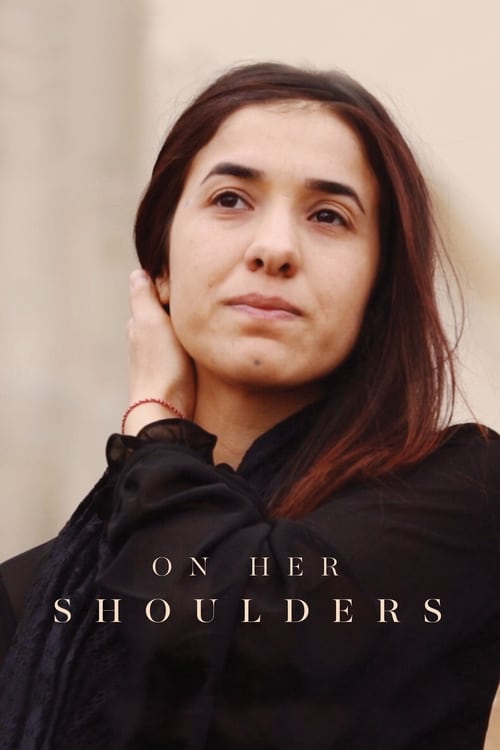
As the film approaches its conclusion, we find Nadia Murad in a state of both determination and exhaustion. The scenes shift to her preparing for a significant speech at the United Nations. The camera captures her in a moment of quiet reflection, her face a canvas of emotions--fear, hope, and the heavy burden of responsibility she carries. She is not just speaking for herself; she embodies the voices of countless Yazidi women who have endured unimaginable horrors.
The day of the speech arrives, and the atmosphere is charged with anticipation. Nadia stands before a large audience, her heart racing as she takes the podium. The room is filled with diplomats, activists, and media, all eyes on her. As she begins to speak, her voice trembles but grows stronger with each word. She recounts her own harrowing experiences of abduction and sexual violence at the hands of ISIS, but she also emphasizes the plight of other Yazidi women who are still missing or suffering. The camera captures the intensity of her emotions, the tears welling in her eyes as she shares the stories of those who cannot speak for themselves.
After her speech, there is a palpable sense of impact. The audience is visibly moved, some wiping away tears, others nodding in solidarity. Nadia steps down from the podium, her expression a mix of relief and sorrow. She knows that while her words have resonated, the fight for justice is far from over. The film intercuts scenes of her receiving accolades and recognition, juxtaposed with the stark reality of the ongoing struggles faced by her community.
In the final moments, we see Nadia in a quieter setting, perhaps reflecting on her journey. She is surrounded by photographs of her family and friends, many of whom have been lost or are still missing. The weight of her mission is evident on her face; she is a symbol of resilience, yet the emotional toll is clear. The film closes with her looking out into the distance, a mixture of hope and despair in her eyes, as she contemplates the future of her people and the ongoing fight for justice.
The fate of Nadia Murad is one of continued advocacy; she remains a powerful voice for the Yazidi community, but the emotional scars of her past linger. The film leaves viewers with a sense of urgency regarding the plight of the Yazidi people and the importance of bearing witness to their stories.
Is there a post-credit scene?
The movie "On Her Shoulders," produced in 2018, does not contain a post-credit scene. The film focuses on the life of Nadia Murad, a Yazidi woman who survived the atrocities of ISIS and became a prominent advocate for her people. The narrative concludes with a poignant reflection on her journey and the ongoing struggle for justice and recognition for the Yazidi community. The film emphasizes her emotional burden and the weight of her experiences, leaving viewers with a sense of the ongoing fight against oppression rather than a traditional cinematic closure.
What role does Nadia Murad play in the film On Her Shoulders?
Nadia Murad is the central character in 'On Her Shoulders.' She is a Yazidi woman and a survivor of the ISIS genocide, who becomes an advocate for her people after escaping captivity. The film follows her journey as she shares her harrowing experiences and fights for justice and recognition for the Yazidi community.
How does the film depict Nadia's experiences during her captivity?
The film portrays Nadia's experiences during her captivity with stark emotional intensity. It includes flashbacks that reveal the brutality she faced, including the violence and dehumanization inflicted by her captors. These scenes are interspersed with her present-day efforts to recount her story, highlighting the trauma she carries and her resilience in the face of such horrors.
What challenges does Nadia face while trying to raise awareness about the Yazidi plight?
Nadia faces numerous challenges in her quest to raise awareness about the Yazidi plight. She encounters skepticism and indifference from some audiences, struggles with the emotional toll of reliving her trauma, and deals with the logistical difficulties of speaking engagements and media appearances. The film captures her determination to overcome these obstacles, despite the weight of her past.
How does the film illustrate the impact of Nadia's advocacy on her personal life?
The film illustrates the profound impact of Nadia's advocacy on her personal life by showing her emotional struggles and the toll that constant public speaking takes on her mental health. It highlights moments of isolation, anxiety, and the burden of being a voice for her community, juxtaposed with her moments of hope and connection with others who share her mission.
What interactions does Nadia have with other activists or organizations in the film?
In 'On Her Shoulders,' Nadia interacts with various activists and organizations that support her cause. These interactions range from collaborative efforts to raise awareness to moments of mentorship and guidance. The film showcases her meetings with human rights organizations, where she seeks to amplify her message, and her conversations with fellow survivors, emphasizing solidarity and shared experiences.
Is this family friendly?
"On Her Shoulders," produced in 2018, is a documentary that follows the life of Nadia Murad, a Yazidi woman who survived the atrocities committed by ISIS and became a global advocate for her people. While the film is powerful and important, it contains several elements that may be distressing for children or sensitive viewers.
-
Depictions of Violence: The film discusses and references the violent acts committed by ISIS, including abduction, sexual violence, and murder. These topics are addressed in a serious and impactful manner.
-
Emotional Trauma: Nadia shares her personal experiences of trauma and loss, which can be emotionally intense. Her recounting of her story may evoke strong feelings of sadness and empathy.
-
Interviews with Survivors: The film includes interviews with other survivors who recount their harrowing experiences, which may be upsetting to watch.
-
Themes of Genocide and Displacement: The documentary addresses the broader context of genocide and the displacement of the Yazidi community, which can be heavy and difficult to process.
-
Grief and Loss: There are moments that explore grief, particularly regarding the loss of family members and the impact of violence on communities.
Due to these elements, "On Her Shoulders" may not be suitable for younger audiences or those who are particularly sensitive to themes of violence and trauma.