












Popular
What are the different perspectives presented in the film Waru?
How does the character of the mother cope with her son's death in Waru?
What role does the community play in the narrative of Waru?
How does the film depict the relationship between the boy and his mother?
What is the significance of the boy's death in the individual stories of Waru?
Should I watch it?
Ask Your Own Question

What is the plot?
Sorry, we aren't able to watch and write up a full detailed plot yet. Check back in a few days.








What is the ending?
In the ending of "Waru," the film culminates in a poignant and emotional resolution as the stories of the eight women converge. Each character grapples with the aftermath of a tragic event, the death of a young boy, and their individual experiences reflect the broader themes of grief, loss, and the impact of community. The final scenes reveal the interconnectedness of their lives and the shared burden of their collective trauma.
As the film draws to a close, the audience witnesses the women coming together in a moment of solidarity, acknowledging their pain and the need for healing. The film ends on a note of hope, suggesting that while the scars of loss remain, there is strength in unity and the possibility of moving forward.
Expanding on the ending in a chronological and narrative fashion:
The final segment of "Waru" begins with the eighth story, where the audience is introduced to a woman named Tania, who is visibly distressed. She stands at the edge of a community gathering, her face a mask of sorrow as she reflects on the recent tragedy that has befallen the community--the death of a young boy, which has left a profound impact on everyone. Tania's internal struggle is palpable; she feels the weight of guilt and helplessness, as she is reminded of her own past decisions that have led her to this moment.
As the camera shifts, we see the other women from the previous stories, each of whom has been affected by the boy's death in different ways. They are gathered in a circle, sharing their experiences and emotions. The atmosphere is heavy with grief, but there is also a sense of camaraderie as they support one another. The women express their feelings of anger, regret, and sorrow, revealing how the tragedy has forced them to confront their own lives and choices.
In a particularly emotional moment, Tania steps forward, her voice trembling as she shares her story. She speaks of her own struggles as a mother and the fear of losing her child, which resonates deeply with the other women. Her vulnerability opens the floodgates for others to share their pain, and one by one, they begin to recount their own experiences of loss and hardship. The scene is filled with raw emotion, as tears are shed and hearts are laid bare.
As the stories unfold, the camera captures the expressions of each woman, highlighting their individual journeys and the common thread of grief that binds them together. The cinematography emphasizes the intimate nature of their gathering, with close-ups of their faces reflecting a range of emotions--from despair to a flicker of hope as they find solace in each other's company.
The film's climax occurs when the women collectively decide to honor the memory of the boy by creating a memorial. This act of remembrance serves as a turning point, allowing them to channel their grief into something positive. They gather materials and work together, symbolizing their unity and the strength they find in one another. The scene is filled with a sense of purpose, as they laugh and cry together, transforming their sorrow into a shared commitment to healing.
As the memorial takes shape, the camera pans out to show the community coming together, illustrating the ripple effect of the tragedy and the importance of support in times of crisis. The final moments of the film depict the completed memorial, adorned with flowers and messages of love. The women stand together, holding hands, their faces reflecting a mixture of sadness and hope. They have forged a bond through their shared experiences, and while the pain of loss remains, they have found a way to honor the boy's memory and support one another.
In the closing scene, the camera lingers on the memorial, capturing the beauty of the flowers and the heartfelt messages left by the community. The screen fades to black, leaving the audience with a sense of the enduring impact of loss and the power of connection in the face of tragedy. Each woman's journey has led them to this moment of solidarity, suggesting that while they may carry their scars, they are not alone in their grief. The film ends with a powerful reminder of the importance of community and the resilience of the human spirit.
Is there a post-credit scene?
The movie "Waru," produced in 2017, does not have a post-credit scene. The film is structured as an anthology, consisting of eight interconnected stories that revolve around the themes of grief, loss, and the impact of a child's death on the community. Each segment is told from the perspective of different characters, all of whom are affected by the central tragedy. The film concludes with a poignant resolution that encapsulates the emotional weight of the narratives, leaving the audience with a sense of reflection rather than a traditional post-credit scene.
What are the different perspectives presented in the film Waru?
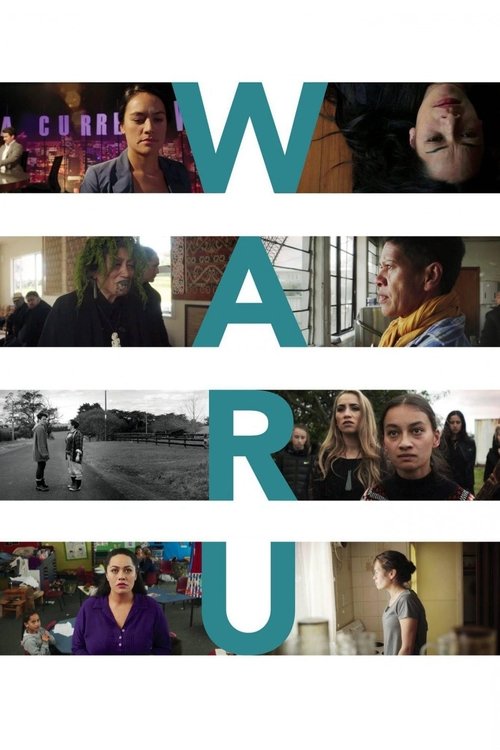
Waru presents eight distinct stories, each told from the perspective of a different character, all connected by the central theme of a young boy's death. Each segment explores the emotional and social ramifications of the tragedy, showcasing how various individuals react to the loss and the circumstances surrounding it.
How does the character of the mother cope with her son's death in Waru?
The mother in Waru is depicted as deeply grief-stricken and overwhelmed by guilt and despair. Her emotional state fluctuates between anger, sorrow, and a desperate need for answers. She struggles with her feelings of inadequacy as a parent and the societal pressures that come with her loss, ultimately leading to a poignant confrontation with her own vulnerabilities.
What role does the community play in the narrative of Waru?
The community in Waru serves as a backdrop that reflects the collective grief and varying responses to the tragedy. Each character's story reveals how the community interacts with the mother and the boy's death, showcasing a range of emotions from support to blame, and highlighting the complexities of communal relationships in the face of loss.
How does the film depict the relationship between the boy and his mother?
The relationship between the boy and his mother is portrayed as complex and layered, filled with love but also marked by misunderstandings and unspoken tensions. Flashbacks and emotional recollections illustrate their bond, emphasizing the mother's regrets and the boy's innocence, which intensifies the tragedy of his death.
What is the significance of the boy's death in the individual stories of Waru?
The boy's death acts as a catalyst for each character's story, prompting them to confront their own lives, choices, and relationships. It serves as a mirror reflecting their fears, regrets, and the societal issues they face, ultimately weaving a tapestry of interconnected narratives that explore the impact of loss on different individuals.
Is this family friendly?
"Waru," produced in 2017, is a film that explores the impact of a child's death on various individuals connected to the event. While it is a powerful narrative, it contains themes and scenes that may not be suitable for children or sensitive viewers.
-
Death of a Child: The central theme revolves around the tragic death of a young boy, which is emotionally heavy and may be distressing for younger audiences.
-
Grief and Mourning: Various characters express deep sorrow and struggle with their emotions, showcasing raw and intense feelings of loss that could be upsetting.
-
Family Conflict: Scenes depicting strained family relationships and conflicts can be uncomfortable, as they highlight the breakdown of communication and support in times of tragedy.
-
Cultural Tensions: The film touches on issues of cultural identity and societal expectations, which may be complex and difficult for younger viewers to fully understand.
-
Emotional Turmoil: Characters experience a range of emotions, including anger, guilt, and despair, which are portrayed in a realistic manner that may be overwhelming for sensitive individuals.
Overall, "Waru" is a poignant exploration of grief and its effects on a community, but its heavy themes and emotional depth may not be appropriate for all audiences, particularly children.