










Popular
What motivates the main character, Sam, to become a postman?
How does Sam's relationship with his neighbor, Lucy, evolve throughout the film?
What challenges does Sam face in his job as a postman?
What role does the elderly character, Mr. Jenkins, play in Sam's journey?
How does the film depict the theme of communication through the letters Sam delivers?
Should I watch it?
Ask Your Own Question

What is the plot?
Sorry, we aren't able to watch and write up a full detailed plot yet. Check back in a few days.







What is the ending?
In the ending of "Hey, Mr. Postman!", the main character, a postman named Sam, finally confronts his past and the choices he has made. He delivers a heartfelt letter to his estranged daughter, hoping to reconnect. The film concludes with a sense of hope as Sam watches his daughter read the letter, suggesting a potential reconciliation.
As the final scenes unfold, we see Sam standing outside his small, weathered post office, the sun setting behind him, casting a warm glow over the town. He takes a deep breath, his face a mixture of anxiety and determination. The weight of years spent in silence and regret hangs heavily on his shoulders. He clutches the letter tightly, feeling the rough edges of the envelope, a tangible reminder of the words he has poured his heart into.
The camera shifts to his daughter, Lily, who is sitting on her porch, her expression a blend of curiosity and apprehension as she notices her father approaching. Sam's heart races; he can feel the tension in the air. He steps forward, the crunch of gravel underfoot echoing in the stillness. As he reaches her, he hands her the letter, his voice trembling as he says, "I hope you'll read this."
Lily takes the letter, her fingers brushing against the paper, and for a moment, time seems to stand still. The camera captures the flicker of emotions across her face--surprise, confusion, and a glimmer of hope. She nods slowly, acknowledging the significance of this moment. Sam watches her intently, his own heart aching with the fear of rejection but also the hope for forgiveness.
As she opens the letter, the scene shifts to a close-up of Sam's face, revealing the vulnerability he has kept hidden for so long. The words he wrote spill out in his mind, memories of missed birthdays and lost time flooding back. The camera then focuses on Lily as she begins to read, her brow furrowing in concentration. The silence is palpable, filled with the weight of unspoken words and unresolved feelings.
The scene transitions to a montage of flashbacks, showing Sam's struggles as a father and the choices that led to their estrangement. Each memory is a reminder of the love he has for her, juxtaposed against the pain of their separation. The montage ends with a shot of Sam, standing alone, his eyes glistening with unshed tears, reflecting on the journey that has brought him to this moment.
Back in the present, Lily finishes reading the letter. Her expression softens, and she looks up at Sam, her eyes filled with a mixture of understanding and compassion. The tension between them begins to dissolve as she takes a step closer, breaking the invisible barrier that has kept them apart for so long. Sam's heart swells with hope as he sees the flicker of recognition in her gaze.
In the final moments, the camera pulls back, capturing the two of them standing on the porch, a new chapter beginning to unfold. The sun sets behind them, casting a golden hue over the scene, symbolizing the warmth of reconciliation and the possibility of healing. The film ends with a lingering shot of Sam and Lily, their silhouettes framed against the vibrant sky, suggesting that while the road ahead may be uncertain, they are finally ready to walk it together.
As the credits roll, viewers are left with a sense of closure for both characters. Sam, having faced his past, is on the path to redemption, while Lily, having received her father's heartfelt words, is open to the possibility of rebuilding their relationship. The film concludes with a message of hope, emphasizing the importance of communication, forgiveness, and the enduring bond between parent and child.
Is there a post-credit scene?
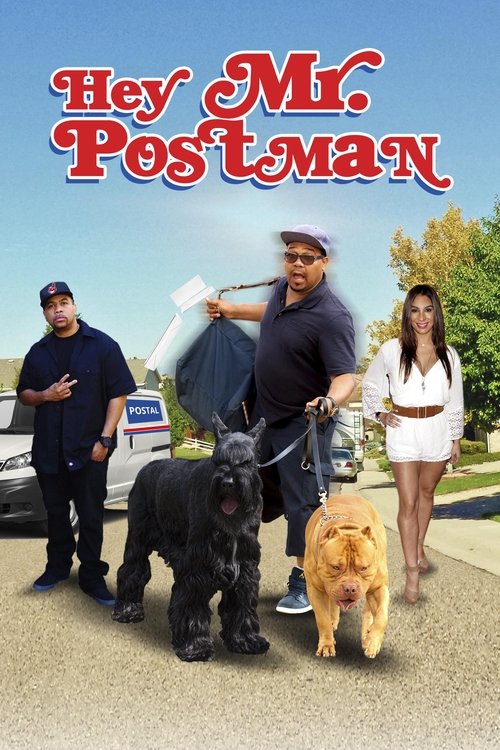
In the movie "Hey, Mr. Postman!" produced in 2018, there is indeed a post-credit scene that adds a whimsical touch to the film's conclusion.
As the credits roll, the screen fades to black before transitioning to a sunny day in a small town. The camera pans down to reveal the familiar postman, who has been a central character throughout the film. He is seen walking down a quiet street, whistling a cheerful tune, with a stack of letters in his hand.
Suddenly, he stops in front of a mailbox that is overflowing with letters. Curiously, he opens it and begins to sort through the contents. Among the usual bills and advertisements, he finds a brightly colored envelope addressed to him, adorned with stickers and doodles.
Intrigued, he opens the envelope to find a heartfelt letter from a child expressing gratitude for his daily deliveries and sharing dreams of becoming a postman one day. The postman's face lights up with a warm smile, and he chuckles softly, touched by the innocent admiration.
As he finishes reading, he looks up and sees a group of children playing nearby. Inspired, he walks over to them, and they excitedly gather around, eager to hear stories about his adventures as a postman. The scene ends with laughter and joy, emphasizing the connection between the postman and the community he serves, leaving the audience with a sense of warmth and nostalgia.
This post-credit scene encapsulates the film's themes of connection, community, and the simple joys of everyday life, providing a delightful conclusion to the story.
What motivates the main character, Sam, to become a postman?
Sam, a young man struggling to find his place in the world, is motivated to become a postman after witnessing the joy that letters bring to people in his community. He feels a deep sense of purpose in connecting individuals through their correspondence, especially as he himself longs for meaningful connections.
How does Sam's relationship with his neighbor, Lucy, evolve throughout the film?
Initially, Sam and Lucy have a friendly but distant relationship, with Lucy often preoccupied with her own life. As Sam delivers letters that reveal Lucy's hidden feelings and aspirations, their bond deepens. They share moments of vulnerability, leading to a romantic connection that transforms both their lives.
What challenges does Sam face in his job as a postman?
Sam faces several challenges, including harsh weather conditions, difficult terrain, and the skepticism of some residents who are resistant to change. Additionally, he grapples with self-doubt and the pressure to deliver not just mail, but also hope and happiness to the community.
What role does the elderly character, Mr. Jenkins, play in Sam's journey?
Mr. Jenkins serves as a mentor figure for Sam, sharing wisdom from his own life experiences. He encourages Sam to embrace his role as a postman and to see the impact of his work on the community. Their interactions provide Sam with guidance and a sense of belonging.
How does the film depict the theme of communication through the letters Sam delivers?
The film intricately weaves the letters into the narrative, showcasing how each letter carries personal stories, secrets, and emotions. As Sam reads and delivers these letters, he becomes a vessel for the characters' voices, highlighting the importance of communication in building relationships and understanding one another.
Is this family friendly?
"Hey, Mr. Postman!" is generally considered family-friendly, but it does contain some scenes that may be potentially objectionable or upsetting for children or sensitive viewers.
-
Emotional Struggles: The film explores themes of loneliness and longing, which may resonate deeply and evoke sadness in some viewers, particularly during scenes where characters express their feelings of isolation.
-
Conflict and Tension: There are moments of conflict between characters that may include raised voices or disagreements, which could be unsettling for younger audiences.
-
Loss and Grief: The narrative touches on themes of loss, which may be depicted through emotional conversations or flashbacks that could be distressing for sensitive viewers.
-
Mature Themes: While not graphic, the film does address adult themes such as unfulfilled dreams and the challenges of communication, which may require a level of maturity to fully understand.
Overall, while the film is suitable for family viewing, parents may want to consider these elements when deciding if it is appropriate for their children.