





Popular
What were the key factors that contributed to the rise of the NASL during its peak?
How did the personalities of key figures like Pelé and Franz Beckenbauer influence the league's popularity?
What were the internal conflicts and challenges faced by the NASL as it began to decline?
How did the NASL's approach to marketing and fan engagement differ from traditional American sports leagues?
What role did the media play in shaping the narrative of the NASL's rise and fall?
Should I watch it?
Ask Your Own Question

What is the plot?
Sorry, we aren't able to watch and write up a full detailed plot yet. Check back in a few days.








What is the ending?
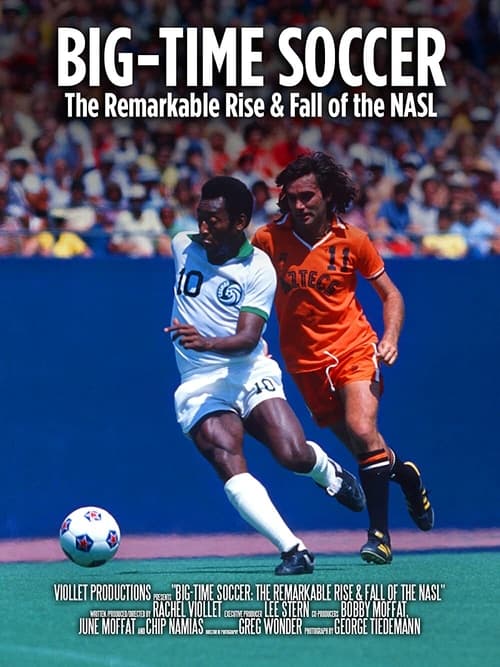
In the ending of "Big-Time Soccer: The Remarkable Rise & Fall of the NASL," the documentary reflects on the decline of the North American Soccer League (NASL) after its peak in the late 1970s and early 1980s. It highlights the disillusionment of players, owners, and fans as the league struggles with financial instability and competition from other sports. The film concludes with a somber acknowledgment of the NASL's legacy, emphasizing the impact it had on soccer in the United States, despite its eventual collapse.
As the film approaches its conclusion, the narrative shifts to a series of poignant scenes that encapsulate the rise and fall of the NASL.
Scene 1: The camera pans over empty stadiums that once buzzed with excitement, a stark contrast to the vibrant crowds of the past. The voiceover reflects on the initial enthusiasm that surrounded the league, showcasing archival footage of packed stands and roaring fans. The joy of the game is palpable, but the tone begins to shift as the narrator introduces the challenges that lie ahead.
Scene 2: Interviews with former players reveal their emotional connection to the league. One player recalls the thrill of playing in front of thousands, his voice tinged with nostalgia. Another shares the heartbreak of watching the league's decline, expressing a sense of loss for the community that had formed around the sport. Their faces convey a mix of pride and sorrow, illustrating the deep impact the NASL had on their lives.
Scene 3: The film transitions to the financial struggles that plagued the league. Footage of boardroom meetings shows owners grappling with mounting debts and dwindling attendance. The tension is palpable as they discuss potential solutions, but the uncertainty looms large. The camera captures the worried expressions of the owners, highlighting their desperation to save the league they had invested so much in.
Scene 4: As the narrative unfolds, the documentary delves into the competition from other sports, particularly American football and basketball. Clips of NFL games dominate the screen, showcasing the allure of these sports. The juxtaposition emphasizes the challenges soccer faced in gaining a foothold in the American sports landscape. The players' frustration is evident as they discuss the struggle to attract fans and media attention.
Scene 5: The climax of the film arrives as the league officially announces its dissolution. The news hits like a thunderclap, and the emotional fallout is immediate. Players gather for one last meeting, their faces a mix of disbelief and resignation. Some express anger, while others reflect on the friendships forged during their time in the league. The camera captures the raw emotions in the room, a poignant farewell to a dream that had once seemed so bright.
Scene 6: In the final moments, the documentary shifts to a montage of highlights from the NASL's glory days, interspersed with images of the players and fans who loved the game. The music swells, evoking a sense of bittersweet nostalgia. The film closes with a reminder of the legacy left behind, as the narrator emphasizes that while the NASL may have fallen, it laid the groundwork for the future of soccer in America.
In summary, the fates of the main characters--players, owners, and fans--are intertwined in this emotional conclusion. The players are left to grapple with the end of their professional dreams, the owners face the consequences of their financial decisions, and the fans are left with memories of a vibrant community that once thrived. The film leaves viewers with a sense of reflection on the highs and lows of the NASL, underscoring the enduring love for soccer that persists despite the league's demise.
Is there a post-credit scene?
In the movie "Big-Time Soccer: The Remarkable Rise & Fall of the NASL," there is no post-credit scene. The film concludes with a reflective look at the legacy of the North American Soccer League (NASL) and its impact on soccer in the United States. The final moments encapsulate the highs and lows of the league, leaving viewers with a sense of nostalgia and contemplation about the future of soccer in America. The credits roll without any additional scenes or content following them.
What were the key factors that contributed to the rise of the NASL during its peak?
The film details several key factors that contributed to the rise of the NASL, including the signing of high-profile international players like Pelé, who brought significant attention to the league. The league's innovative marketing strategies, such as colorful team branding and engaging fan experiences, also played a crucial role. Additionally, the growing interest in soccer in the United States during the 1970s, fueled by the success of the World Cup and the increasing diversity of the American population, helped the NASL gain traction.
How did the personalities of key figures like Pelé and Franz Beckenbauer influence the league's popularity?
Pelé's charismatic presence and exceptional skill on the field captivated fans and drew media attention, making him a central figure in the league's marketing. Similarly, Franz Beckenbauer's arrival brought a sense of legitimacy and excitement, as he was a world-renowned player. Their personalities and on-field performances not only elevated the league's profile but also inspired a generation of soccer fans in the U.S.
What were the internal conflicts and challenges faced by the NASL as it began to decline?
The film explores various internal conflicts, including financial mismanagement, the struggle for television contracts, and the inability to maintain competitive balance among teams. As franchises began to fold and star players left for more stable leagues, the league's leadership faced criticism for their decisions, leading to a loss of confidence among fans and investors.
How did the NASL's approach to marketing and fan engagement differ from traditional American sports leagues?
The NASL's approach was characterized by a vibrant, festival-like atmosphere at games, with an emphasis on entertainment and community involvement. The league utilized creative marketing campaigns, such as themed nights and family-friendly events, to attract a diverse audience. This contrasted with the more traditional, straightforward marketing strategies of established American sports leagues.
What role did the media play in shaping the narrative of the NASL's rise and fall?
The media played a significant role in both promoting the NASL during its rise and critiquing it during its decline. Early coverage highlighted the excitement and novelty of soccer in America, showcasing star players and thrilling matches. However, as the league began to struggle, media narratives shifted to focus on its financial troubles and the exodus of talent, contributing to a growing perception of the league's impending collapse.
Is this family friendly?
"Big-Time Soccer: The Remarkable Rise & Fall of the NASL" is a documentary that explores the history of the North American Soccer League (NASL). While it primarily focuses on the rise and decline of the league, it does contain some themes and scenes that may be sensitive for children or those who are particularly sensitive to certain topics.
-
Historical Context of Failure: The documentary discusses the financial struggles and eventual collapse of the NASL, which may include discussions of bankruptcy and disappointment that could be upsetting for younger viewers.
-
Competitive Pressure: There are scenes that depict the intense pressure faced by players and teams, which may include emotional moments of stress, disappointment, and conflict.
-
Injury Footage: There may be brief mentions or visuals of injuries that players sustained during games, which could be distressing for some viewers.
-
Candid Interviews: The documentary features interviews with players and executives that may include frank discussions about the challenges and failures of the league, which could be heavy for younger audiences.
Overall, while the film is primarily educational and focuses on the sport, the themes of failure, competition, and emotional struggles may require parental guidance for younger viewers.