


















Popular
What are the key character motivations for Steven Grant in Moon Knight?
How does Marc Spector's relationship with Khonshu influence his actions?
What role does Layla El-Faouly play in Moon Knight's journey?
How does the series depict the theme of identity through the character of Moon Knight?
What is the significance of the Egyptian mythology elements in Moon Knight?
Should I watch it?
Ask Your Own Question

What is the plot?
Sorry, we aren't able to watch and write up a full detailed plot yet. Check back in a few days.
More Movies Like This
Browse All Movies →






What is the ending?
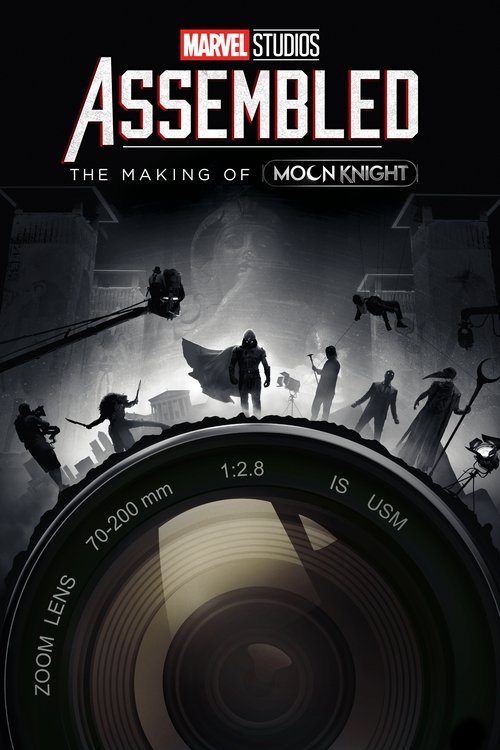
The ending of "Marvel Studios Assembled: The Making of Moon Knight" showcases the culmination of the creative process behind the series, highlighting the dedication of the cast and crew. It emphasizes the emotional and artistic journey taken to bring the character of Moon Knight to life, culminating in a celebration of the show's themes and the impact it has on audiences.
In a more detailed narrative, the ending unfolds as follows:
The documentary concludes with a series of behind-the-scenes clips that illustrate the final stages of production for "Moon Knight." The atmosphere is charged with excitement and anticipation as the cast and crew reflect on their experiences. Oscar Isaac, who portrays Marc Spector, shares his thoughts on the complexity of his character and the duality he embodies. He expresses gratitude for the opportunity to explore such a multifaceted role, revealing the emotional weight he felt while portraying Marc's struggles with identity and mental health.
As the documentary progresses, it showcases the final scenes being filmed, capturing the intensity of the action sequences and the emotional depth of the character interactions. The crew members are seen working tirelessly, adjusting lighting and camera angles to ensure that every shot conveys the intended mood. The dedication of the production team is palpable, as they discuss the challenges they faced in bringing the supernatural elements of the story to life.
The documentary also highlights the contributions of the director, Mohamed Diab, who shares his vision for the series and how he aimed to blend the superhero genre with psychological drama. His passion for the project is evident as he discusses the importance of authenticity in portraying Marc's struggles and the cultural elements woven into the narrative.
As the final credits roll, the documentary emphasizes the impact of "Moon Knight" on its audience. Clips of fans reacting to the series are interspersed, showcasing their emotional responses and connections to the characters. The documentary closes with a sense of fulfillment, celebrating the collaborative effort that went into creating a show that resonates on multiple levels.
In summary, the ending of "Marvel Studios Assembled: The Making of Moon Knight" serves as a tribute to the hard work and creativity of everyone involved in the project, leaving viewers with a deeper appreciation for the storytelling and character development that defines the series.
Is there a post-credit scene?
"Marvel Studios Assembled: The Making of Moon Knight" does not contain a post-credit scene. This documentary-style feature focuses on the behind-the-scenes process of creating the "Moon Knight" series, showcasing interviews with the cast and crew, insights into the character development, and the artistic choices made during production. It provides a comprehensive look at the making of the series rather than including any narrative elements typical of a post-credit scene found in other Marvel productions.
What are the key character motivations for Steven Grant in Moon Knight?
Steven Grant, portrayed by Oscar Isaac, is a mild-mannered gift shop employee who struggles with dissociative identity disorder. His primary motivation is to understand his fragmented identity and the mysterious occurrences in his life. As he navigates his dual existence, he grapples with feelings of confusion, fear, and a deep desire for connection and purpose.
How does Marc Spector's relationship with Khonshu influence his actions?
Marc Spector, also played by Oscar Isaac, has a complex relationship with Khonshu, the Egyptian moon god. Khonshu serves as both a mentor and a manipulative force in Marc's life, pushing him to embrace his role as the Moon Knight. This relationship drives Marc's internal conflict, as he struggles between his loyalty to Khonshu and his desire for autonomy and redemption.
What role does Layla El-Faouly play in Moon Knight's journey?
Layla El-Faouly, portrayed by May Calamawy, is a significant character who serves as both a love interest and a partner to Marc Spector. Her motivations are rooted in her quest for justice and her connection to Marc's past. Throughout the series, Layla's determination to uncover the truth about her father's death and her own identity intertwines with Marc's journey, adding emotional depth and complexity to the narrative.
How does the series depict the theme of identity through the character of Moon Knight?
The series explores the theme of identity through the fragmented personalities of Marc Spector and Steven Grant. Each identity represents different aspects of Marc's psyche, with Steven embodying vulnerability and innocence, while Marc represents strength and combativeness. The struggle between these identities is visually represented through their interactions and the challenges they face, highlighting the emotional turmoil and quest for self-acceptance.
What is the significance of the Egyptian mythology elements in Moon Knight?
Egyptian mythology plays a crucial role in shaping the narrative of Moon Knight. The presence of gods like Khonshu and Amit introduces a supernatural layer to the story, influencing the characters' motivations and actions. The series incorporates visual elements such as ancient artifacts, hieroglyphics, and mythological references, which serve to deepen the lore and create a rich backdrop for the characters' struggles, particularly in Marc's quest for purpose and understanding.
Is this family friendly?
"Marvel Studios Assembled: The Making of Moon Knight" is a behind-the-scenes documentary that explores the creation of the "Moon Knight" series. While it primarily focuses on the production aspects, there are a few elements that may be considered potentially objectionable or upsetting for children or sensitive viewers:
-
Discussion of Mental Health: The documentary delves into themes of mental health and dissociative identity disorder, which may be complex or distressing for younger audiences or those sensitive to such topics.
-
Visuals of Violence: There may be brief clips or discussions about the darker, more violent aspects of the "Moon Knight" character and his story, which could be unsettling.
-
Emotional Struggles: The cast and crew discuss the emotional weight of the characters and the challenges they face, which might evoke strong feelings or be difficult for some viewers to process.
-
Dark Themes: The overall tone of the series, including elements of trauma and personal conflict, is explored, which may not be suitable for all children.
While the documentary is informative and insightful, parents may want to consider these aspects when deciding if it is appropriate for younger viewers.









