
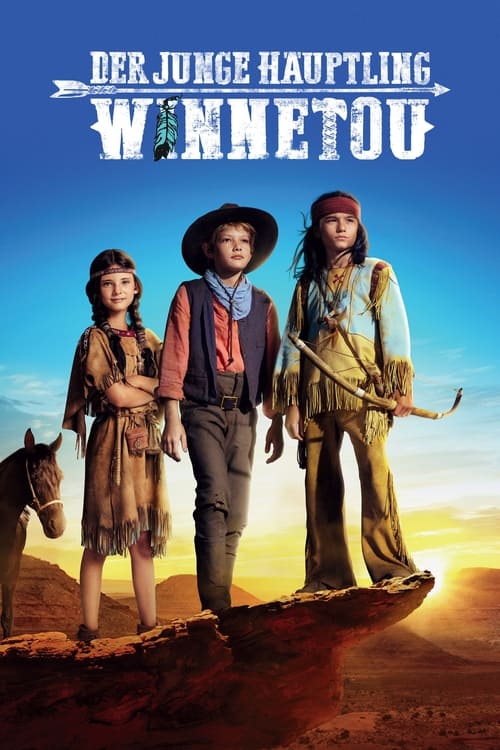

















Popular
What challenges does Winnetou face in his journey to become a chief?
How does the relationship between Winnetou and his friend Old Shatterhand develop throughout the film?
What role does the antagonist play in the story, and how does he impact Winnetou's journey?
What significant events lead to Winnetou's realization of his responsibilities as a leader?
How does the film portray the cultural differences between Winnetou's tribe and the settlers?
Should I watch it?
Ask Your Own Question

What is the plot?
Sorry, we aren't able to watch and write up a full detailed plot yet. Check back in a few days.

What is the ending?
In the ending of "The Young Chief Winnetou," the film culminates in a dramatic confrontation between the Native American tribes and the encroaching settlers. Winnetou, having grown into his role as a leader, unites his people to defend their land. The conflict reaches a peak when a final battle ensues, showcasing the bravery and determination of the Native Americans. Ultimately, through a combination of courage and negotiation, a resolution is reached that allows for peace and coexistence. The film closes with a sense of hope for the future, as Winnetou stands as a symbol of unity and strength.
As the film approaches its climax, the tension escalates. The scene opens with the sun setting over the vast plains, casting a golden hue over the landscape. Winnetou, now fully embodying his role as a leader, stands atop a hill, surveying the land that his people have called home for generations. His expression is a mix of determination and sorrow, knowing that the fate of his tribe hangs in the balance.
The camera shifts to the encampment of the settlers, where tensions are high. The settlers, led by a conflicted but ambitious figure, prepare for a confrontation. They are driven by a desire for land and prosperity, yet there is a palpable sense of unease among them, as some question the morality of their actions. This internal conflict is mirrored in the character of the leader, who grapples with the consequences of his decisions.
As night falls, the two sides prepare for the inevitable clash. The Native Americans gather around a fire, sharing stories and strengthening their resolve. Winnetou speaks passionately to his people, reminding them of their heritage and the importance of standing together. His words resonate deeply, igniting a fierce sense of pride and unity among the tribe.
The following day, the battle begins. The camera captures the chaos of the confrontation, with arrows flying and horses galloping. The choreography of the fight is intense, showcasing the skill and bravery of the Native warriors. Winnetou fights valiantly, embodying the spirit of his ancestors. His movements are fluid and powerful, reflecting his deep connection to the land and his people.
Amidst the chaos, a pivotal moment occurs when Winnetou confronts the leader of the settlers. Their eyes lock, and in that instant, both men recognize the futility of their conflict. The leader, witnessing the courage and determination of Winnetou and his people, begins to question his own motives. This moment of realization is crucial, as it sets the stage for the resolution of the conflict.
As the battle rages on, a sudden turn of events occurs. A group of settlers, moved by the bravery of the Native Americans, begins to lay down their weapons. This act of defiance against their own leaders sparks a chain reaction, leading to a ceasefire. The camera captures the moment of silence that follows, as both sides lower their weapons, realizing the cost of their conflict.
In the aftermath, a council is convened between the leaders of both sides. Winnetou, embodying wisdom and strength, speaks on behalf of his people. He advocates for peace and coexistence, emphasizing the importance of understanding and respect. The settlers, led by their leader, agree to a treaty that recognizes the rights of the Native Americans to their land.
The film concludes with a poignant scene of reconciliation. Winnetou stands with the settlers, both sides shaking hands, symbolizing a new beginning. The camera pans out to show the vast landscape, now a shared space for both communities. The final shot lingers on Winnetou, his expression a mix of hope and resolve, as he looks toward the horizon, embodying the promise of a brighter future for all.
In the end, each main character finds their fate intertwined with the resolution of the conflict. Winnetou emerges as a respected leader, having successfully united his people and forged a path toward peace. The leader of the settlers, transformed by the events, chooses to advocate for coexistence rather than conflict. The film closes on a note of optimism, suggesting that understanding and unity can triumph over division and strife.
Is there a post-credit scene?
In "The Young Chief Winnetou," there is indeed a post-credit scene that adds an intriguing layer to the film's narrative. As the credits roll, the screen fades to black before transitioning to a serene landscape of the American West, with the sun setting over the horizon, casting a warm golden hue across the plains.
The scene opens with a close-up of a feather gently floating down from the sky, symbolizing peace and connection to nature. As the camera pans out, we see a group of Native American children playing near a riverbank, their laughter echoing in the tranquil air. Among them is a young boy who resembles a younger version of Winnetou, showcasing the legacy of leadership and bravery that will continue through generations.
Suddenly, the sound of hoofbeats approaches, and the children stop their play, looking up in awe. A figure on horseback emerges from the distance, silhouetted against the setting sun. As the figure draws closer, it is revealed to be an older Winnetou, now a wise and respected leader. His expression is one of warmth and pride as he watches the children, reflecting on the future of his people.
Winnetou dismounts and kneels down to speak with the children, sharing stories of courage and unity. The scene captures his deep connection to his heritage and the importance of passing down wisdom. The camera lingers on his face, filled with hope and determination, before fading to black once more.
This post-credit scene serves as a poignant reminder of the enduring spirit of the Native American culture and the legacy that Winnetou embodies, leaving the audience with a sense of continuity and inspiration for the future.
What challenges does Winnetou face in his journey to become a chief?
In 'The Young Chief Winnetou', Winnetou faces numerous challenges on his path to leadership, including navigating the tensions between his tribe and encroaching settlers. He grapples with the expectations of his father, who is the current chief, and the need to prove himself worthy of the title. Emotional turmoil arises as he witnesses the struggles of his people and the threat to their way of life.
How does the relationship between Winnetou and his friend Old Shatterhand develop throughout the film?
Winnetou's relationship with Old Shatterhand evolves from initial camaraderie to a deep bond of brotherhood. As they face external threats together, their mutual respect grows. Old Shatterhand serves as a bridge between cultures, helping Winnetou understand the complexities of both Native American and settler perspectives, which deepens their friendship and loyalty.
What role does the antagonist play in the story, and how does he impact Winnetou's journey?
The antagonist in 'The Young Chief Winnetou' represents the encroaching settlers who threaten the land and peace of Winnetou's tribe. His actions create conflict and force Winnetou to confront the harsh realities of his people's situation. This antagonist's relentless pursuit of land and power serves as a catalyst for Winnetou's growth, pushing him to unite his people and fight for their rights.
What significant events lead to Winnetou's realization of his responsibilities as a leader?
Key events that lead to Winnetou's realization of his responsibilities include witnessing the suffering of his tribe due to settler expansion and the loss of a close friend during a skirmish. These moments of loss and hardship compel him to reflect on his role as a leader, igniting a sense of duty to protect his people and preserve their heritage.
How does the film portray the cultural differences between Winnetou's tribe and the settlers?
The film vividly portrays cultural differences through contrasting scenes of tribal ceremonies and settler lifestyles. Winnetou's tribe is shown engaging in traditional practices that emphasize community and respect for nature, while settlers are depicted as focused on individualism and material gain. These differences create tension and misunderstandings, highlighting the need for dialogue and empathy between the two groups.
Is this family friendly?
"The Young Chief Winnetou," produced in 2022, is generally considered family-friendly, but it does contain some scenes that may be potentially objectionable or upsetting for children or sensitive viewers.
-
Violence: There are scenes depicting conflicts between Native American tribes and settlers, which may include moments of physical confrontation or tension. While not excessively graphic, the portrayal of violence may be intense for younger audiences.
-
Emotional Struggles: Characters experience loss and betrayal, leading to moments of sadness and emotional turmoil. These themes may resonate deeply and could be upsetting for sensitive viewers.
-
Cultural Conflict: The film addresses themes of cultural misunderstanding and conflict, which may involve scenes of discrimination or prejudice. These moments are integral to the story but could be challenging for younger viewers to process.
-
Dangerous Situations: Characters find themselves in perilous situations, such as being chased or threatened, which could evoke fear or anxiety.
-
Mature Themes: The film touches on themes of identity, leadership, and responsibility, which may require a level of maturity to fully understand and appreciate.
Overall, while the film is designed for a family audience, parents may want to consider these elements when deciding if it is suitable for their children.








