


Popular
Which guest performers appear in the concert, and which songs do they perform with Grand Corps Malade?
What songs from the Mesdames album are performed in the concert setlist?
How is the concert staged, and what visual or performance style defines the show?
Is this title a narrative film with characters, or is it a concert film centered on performances?
Why was this concert film made around the Mesdames era, and what part of Grand Corps Malade’s career does it capture?
Should I watch it?
Ask Your Own Question

What is the plot?
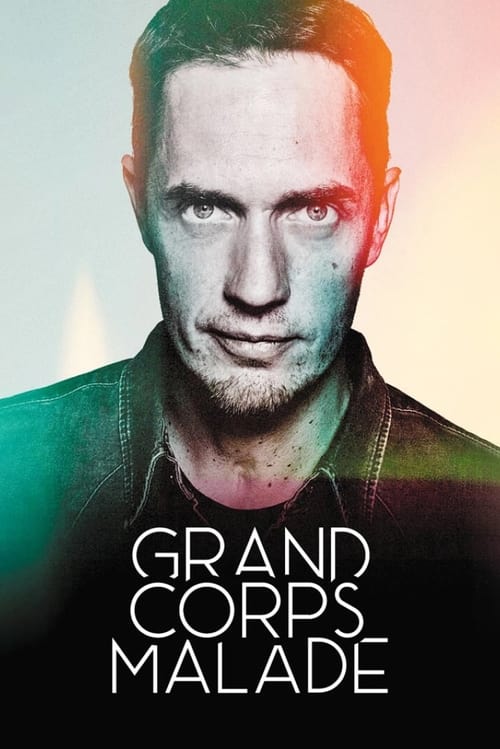
Grand Corps Malade en concert – Mesdames (2023) does not have a fictional plot to spoil; it is a live concert film built around Grand Corps Malade's tour-ending performance of the Mesdames era at the Zénith de Lille. There are no deaths, no murders, no hidden identities, and no traditional ending twist--only a staged musical celebration that closes a successful tour in a highly cinematic way.
The film opens with a short introductory sequence that sets the tone for what follows, framing the night as both a concert and a visual event. Grand Corps Malade appears at the center of the stage with his musicians, and the show immediately makes clear that this is not a bare recital but a carefully designed performance, with a large screen, polished visuals, and a rhythm that is described as more propulsive than his earlier live presentations. The atmosphere is already celebratory: the recording is made at the Zénith de Lille, specifically as the closing performance of the tour tied to Mesdames, an album that has been described as a diamond-certified success.
From the opening moments, the concert's structure reflects the album's concept. Mesdames is a project built around women's voices, women's experiences, and collaborations that foreground female artists, and the show follows that same path song after song. Grand Corps Malade does not stand alone in the narrative space of the film; instead, he acts as the guide through a series of musical exchanges, with the stage and screen working together to create the feeling of multiple women entering and leaving the performance world as the songs unfold. The giant screen becomes almost a second stage, letting the concert move beyond the physical space of Lille and into a wider cinematic language where voices and images can meet across distance.
As the performance continues, the tone remains intimate despite the scale. Grand Corps Malade is known for his direct rapport with the audience, and the concert repeatedly pauses for moments of connection and mutual recognition between performer and crowd. Rather than building toward a fictional revelation, the momentum grows through arrangement, staging, and emotion: each song adds another layer to the portrait of the Mesdames project, with the emphasis staying on tribute, partnership, and shared presence. The screen-based presentation allows collaborations to feel expansive, while the live band keeps the whole evening grounded in the physical energy of the room.
The major emotional peaks come from the appearance of guest voices associated with the Mesdames universe. The concert is tied to collaborators such as Louane, Véronique Sanson, Suzane, Laura Smet, Camille Lellouche, Julie and Camille Berthollet, Manon, Alicia, and Amuse-Bouche, appearing either live or through the stage's visual storytelling depending on the song. These moments function like musical dialogues rather than confrontations. When the show reaches songs performed with guest artists, the effect is one of reunion and completion, as if the album's original studio conversations are finally being made visible in front of an audience. The production's use of the screen reinforces that feeling, turning absent collaborators into present presences and making the concert feel like an extended duet with memory itself.
The song selection, as described in program information and coverage of the performance, includes material from Mesdames and Grand Corps Malade's broader repertoire, with the show described as alternating between the new material and more familiar pieces from his discography. That balance gives the concert its shape: the evening does not simply replay the album, but places it in a fuller artistic life, allowing the audience to hear how these songs sit alongside the older work that made him a defining voice in French spoken-word music. The result is less a linear drama than a carefully escalated emotional arc. The audience moves from anticipation, to recognition, to communal release as the set advances.
Visually, the concert leans into spectacle without losing its human scale. The staging is repeatedly described as impressive, and the inclusion of the screen means that the performance can shift from intimate close-up to wide cinematic gestures without breaking its flow. This is where the film most clearly expresses its identity: it is not trying to invent a story, but to transform a concert into a piece of storytelling through image, sound, and arrangement. Every transition feels purposeful, with one song blending into the next as the show steadily gathers emotional force toward the closing stretch.
By the final portion of the concert, the performance has fully established itself as a tribute to women and to the collaborative spirit of the album that inspired it. Nothing in the available material suggests a hidden conflict, a tragic reversal, or a final revelation waiting to be uncovered. Instead, the ending resolves as a concert ending naturally resolves: with applause, completion, and the sense that the tour has reached its proper finish. The Zénith de Lille becomes the site of a final celebration, a last collective moment before the cycle closes.
The last scene is therefore not a dramatic showdown but a triumphant curtain call. Grand Corps Malade concludes the performance surrounded by his musicians and the afterglow of the album's collaborations, ending the tour in a mood of warmth and fulfillment. The film closes on the idea that this project has done what it set out to do: honor women's voices, fuse music with cinema, and deliver a large-scale live event that feels both carefully constructed and emotionally generous. There are no deaths to tally, no villains to defeat, and no secrets to expose--only the final, emphatic closing of a concert that turns Mesdames into a shared public celebration.
More Movies Like This
Browse All Movies →





What is the ending?
The concert ends with Grand Corps Malade closing out a celebratory performance of his Mesdames material, surrounded by his musicians, after building the show toward a final burst of energy and applause. The ending is simple: the performance reaches its final stretch, the crowd is fully carried by the atmosphere, and the concert finishes as a triumphant live event rather than with a dramatic story twist.
In the final portion, the camera stays with the concert itself: Grand Corps Malade performs at the Zénith de Lille, where the event was captured as the closing date of a successful tour tied to the album Mesdames. The staging is large and polished, and the music is presented as steady, rhythmic, and expansive. The focus is on the live delivery of the songs, the presence of the musicians around him, and the sense that the show has been carefully built to land with force.
Scene by scene, the ending moves through the last stretch of the performance without shifting away from the concert format. Grand Corps Malade remains at the center of the stage, delivering the final songs with the same calm, grounded presence that carries the rest of the show. The musicians continue behind him, maintaining the energy and structure of the set. The audience response remains strong, reinforcing the feeling that this is the culmination of a tour that has found its final, full-bodied expression in this filmed concert.
There is no separate fictional plotline and no character fate in the usual narrative sense, because the film is a concert recording rather than a drama. Grand Corps Malade's "fate" at the end is that he finishes the concert in front of a large, enthusiastic audience, having completed the live capture of the Mesdames tour. The musicians end the performance with him onstage, and the show concludes as a finished concert experience rather than as a story with unresolved conflict.
Is there a post-credit scene?
There is no evidence in the available sources that Grand Corps Malade en concert - Mesdames has a post-credit scene. The listings describe it as a concert program and promotional event, but none mention any scene after the credits.
If you want, I can also help verify whether a specific broadcast version or platform release includes an extra ending segment.
Which guest performers appear in the concert, and which songs do they perform with Grand Corps Malade?
This concert features several duets that are among the title's most talked-about specific moments: Julie and Camille Berthollet appear on "Chemins de traverse," Suzane appears on "Pendant 24h," Louane appears on "Derrière le brouillard," and the set is built around the many collaborative songs from the Mesdames era.
What songs from the Mesdames album are performed in the concert setlist?
The concert setlist prominently includes "Mesdames," "Une Sœur," "J'ai mis des mots," "Je ne serai que de trop," "Ma tête, mon coeur...," "Dimanche soir," "Mental," "Derrière le brouillard," "Père et mère," "Je viens de là," and "Education nationale," along with other tracks from the album's live presentation.
How is the concert staged, and what visual or performance style defines the show?
The concert is described as being carried by Grand Corps Malade's musicians and an impressive scenography, with a more energetic rhythm than usual and a live atmosphere shaped by the recording at the Zénith de Lille, where the show was captured on the second date there.
Is this title a narrative film with characters, or is it a concert film centered on performances?
It is a concert film centered on live performance rather than a fictional character-driven story, so the most specific recurring figures are Grand Corps Malade himself, his guest performers, and the musicians who support the concert.
Why was this concert film made around the Mesdames era, and what part of Grand Corps Malade’s career does it capture?
The film captures the closing stretch of the successful tour supporting the album Mesdames, which was presented as a major live event after the album's strong reception and commercial success, including its Diamond certification in France.
Is this family friendly?
Grand Corps Malade en concert : Mesdames is generally family-friendly, since the available descriptions present it as a live music performance focused on poetry, music, and a celebratory concert atmosphere.
Potentially objectionable or upsetting aspects for children or sensitive viewers may include: - Loud concert sound and cheering crowd energy - Emotional songs or themes connected to adult relationships and feelings - Stage lighting, strong visual effects, and an intense live-show atmosphere - Some lyrical content may be more suited to teens or adults, depending on the song
No clear signs of graphic violence, horror, or explicit sexual content appear in the available information.








