
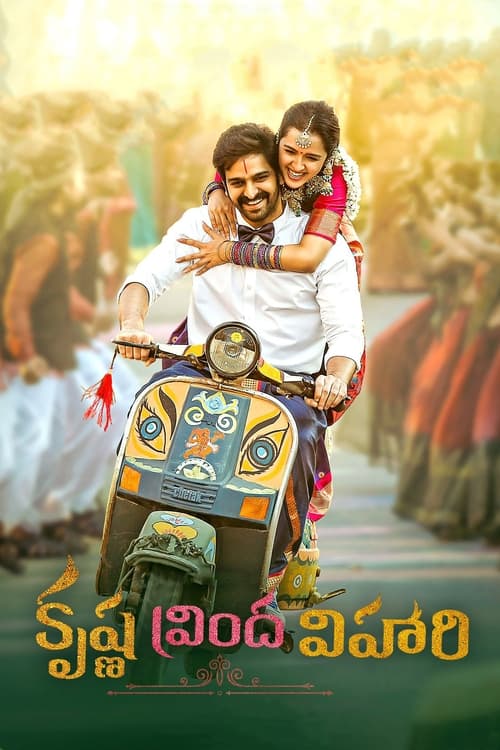














Popular
What is the significance of the character Krishna in the story?
How does Vrinda's character evolve throughout the film?
What role does the family dynamic play in Krishna and Vrinda's relationship?
What are the key challenges Krishna faces in pursuing his love for Vrinda?
How does the setting influence the romantic elements of the story?
Should I watch it?
Ask Your Own Question

What is the plot?
Sorry, we aren't able to watch and write up a full detailed plot yet. Check back in a few days.



What is the ending?
In the ending of "Krishna Vrinda Vihari," Krishna, after overcoming various challenges and misunderstandings, ultimately finds a way to be with Vrinda. The film concludes with a celebration of their love, emphasizing themes of devotion and the importance of following one's heart.
As the climax unfolds, we see Krishna, portrayed with a mix of charm and determination, standing at a crossroads. He has faced numerous obstacles, including familial expectations and societal pressures that have tried to keep him apart from Vrinda. The emotional weight of his journey is palpable as he reflects on the sacrifices made and the love that has blossomed despite the odds.
In a pivotal scene, Krishna confronts his family, expressing his unwavering love for Vrinda. His voice trembles with sincerity as he articulates his feelings, revealing the depth of his commitment. The tension in the room is thick, with family members exchanging glances filled with disbelief and concern. However, Krishna's resolve shines through, and he stands firm, embodying the essence of true love.
Meanwhile, Vrinda, who has been navigating her own struggles, is shown in a moment of vulnerability. She grapples with her emotions, torn between her love for Krishna and the expectations placed upon her. The cinematography captures her internal conflict beautifully, with close-ups of her expressive eyes reflecting hope and fear. As she hears of Krishna's declaration, a flicker of hope ignites within her.
The climax reaches its zenith during a grand festival scene, where the community gathers to celebrate love and unity. The vibrant colors of the decorations and the joyous music create an atmosphere of festivity. Krishna and Vrinda find each other amidst the crowd, their eyes locking in a moment that transcends words. The world around them fades as they step closer, the energy between them electric.
In a heartwarming resolution, Krishna and Vrinda's families, witnessing the genuine love between the two, begin to soften. The elders, initially resistant, are moved by the couple's determination and the purity of their bond. A pivotal moment occurs when Krishna's father, after a long pause, extends his hand in acceptance, symbolizing a shift in familial dynamics. The crowd erupts in cheers, celebrating the union of Krishna and Vrinda.
As the film draws to a close, we see Krishna and Vrinda standing together, hand in hand, surrounded by their loved ones. The camera pans out, capturing the joyous celebration, with laughter and music filling the air. The final shot lingers on their intertwined hands, a visual metaphor for their commitment to each other and the journey they have undertaken.
In the end, Krishna emerges as a figure of resilience and love, having fought for what he believes in. Vrinda, too, finds her voice and strength, embracing her desires and aspirations. Together, they symbolize the triumph of love over adversity, leaving the audience with a sense of hope and the belief that true love can conquer all challenges.
Is there a post-credit scene?
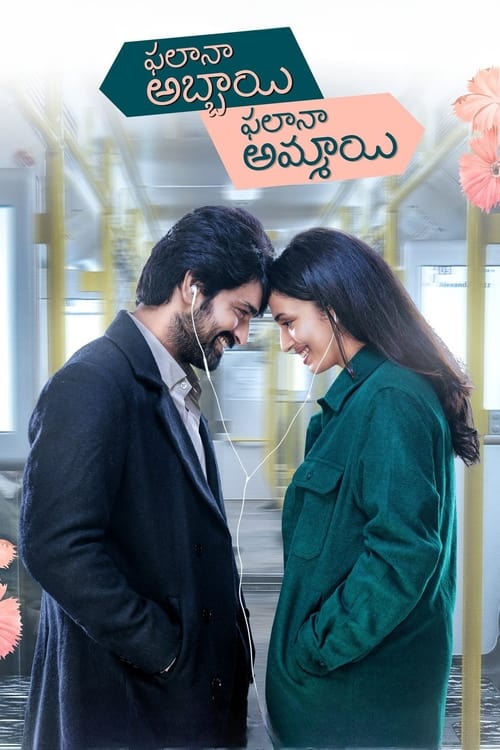
In the movie "Krishna Vrinda Vihari," there is indeed a post-credit scene that adds a humorous twist to the film's narrative. After the main credits roll, the scene opens with Krishna, played by Naga Shaurya, and his love interest, Vrinda, portrayed by Shirley Setia, enjoying a light-hearted moment together. They are seen playfully bickering about their future plans, showcasing their chemistry and the playful banter that characterizes their relationship throughout the film.
As the scene progresses, Krishna suddenly receives a phone call from his mother, who is inquiring about his marriage plans. The comedic timing is perfect as Krishna tries to dodge the question, leading to a series of funny misunderstandings. Vrinda, overhearing the conversation, decides to tease him further, adding to the light-hearted atmosphere.
The scene concludes with Krishna finally admitting that he is indeed planning to marry, but he cheekily adds that he is still deciding on the date, leaving the audience with a sense of joy and anticipation for their future together. This post-credit moment encapsulates the film's themes of love and family while providing a satisfying and humorous closure to the story.
What is the significance of the character Krishna in the story?
Krishna is portrayed as a charming and carefree young man who embodies the spirit of love and mischief. His character serves as the catalyst for the romantic developments in the film, particularly in his interactions with Vrinda, showcasing his playful nature and deep emotional connections.
How does Vrinda's character evolve throughout the film?
Vrinda starts as a strong-willed and independent woman, focused on her career and personal goals. As the story progresses, her encounters with Krishna challenge her perceptions of love and relationships, leading her to confront her own vulnerabilities and desires, ultimately resulting in a transformative journey.
What role does the family dynamic play in Krishna and Vrinda's relationship?
The family dynamics are crucial in shaping the narrative, as both Krishna and Vrinda face pressures from their respective families regarding their choices in love. These familial expectations create tension and conflict, forcing the characters to navigate their feelings while balancing their duties to their families.
What are the key challenges Krishna faces in pursuing his love for Vrinda?
Krishna encounters several obstacles, including societal expectations, misunderstandings, and the disapproval of Vrinda's family. His determination to win her heart despite these challenges highlights his resilience and commitment, showcasing his emotional depth and the lengths he is willing to go for love.
How does the setting influence the romantic elements of the story?
The film is set against a vibrant backdrop that enhances the romantic atmosphere, with picturesque locations that reflect the characters' emotional states. The colorful festivals, serene landscapes, and bustling city life serve as a canvas for Krishna and Vrinda's blossoming relationship, adding layers of visual and emotional richness to their journey.
Is this family friendly?
"Krishna Vrinda Vihari," produced in 2022, is generally considered a family-friendly film. However, there are a few scenes and aspects that might be potentially objectionable or upsetting for children or sensitive viewers:
-
Romantic Themes: The film includes romantic elements that may involve emotional conflicts or misunderstandings, which could be confusing for younger audiences.
-
Family Conflicts: There are moments of tension and conflict within family dynamics that might evoke strong emotions, such as disappointment or sadness.
-
Mild Violence: Some scenes may depict mild confrontations or arguments that could be unsettling for very young viewers.
-
Emotional Struggles: Characters experience emotional turmoil, including feelings of rejection or heartbreak, which may resonate deeply and could be distressing for sensitive individuals.
-
Cultural References: Certain cultural or social themes may require context for younger viewers to fully understand, potentially leading to confusion.
Overall, while the film is designed to be entertaining for a wide audience, these elements may warrant parental guidance for younger children.






