





























Popular
How does Fenerbahçe’s Harington Cup victory connect to the occupation of Istanbul in the story?
Who are the main historical figures or characters centered around the Fenerbahçe football team in the film?
What is the significance of the British occupiers in the movie’s storyline?
How does the film portray the football match itself, especially the Harington Cup game?
How are the 1924 Paris Olympics connected to the story’s sports narrative?
Should I watch it?
Ask Your Own Question

What is the plot?
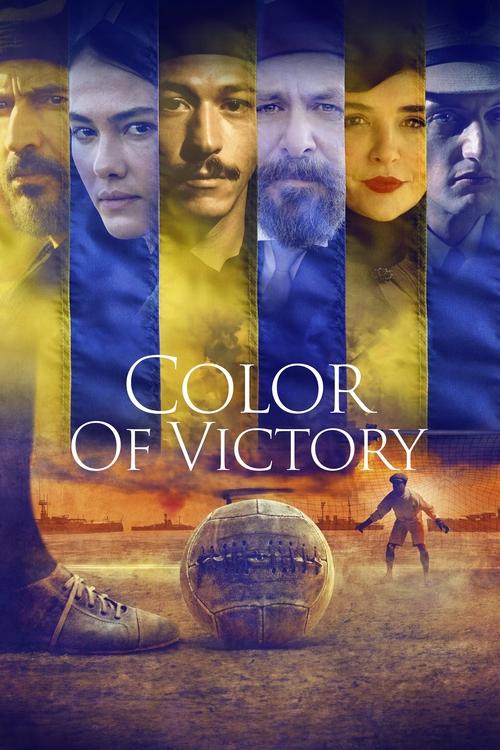
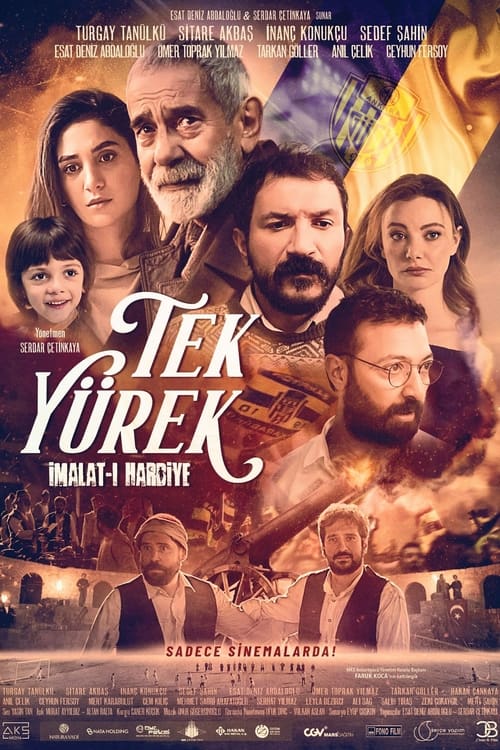
Color of Victory is a 2024 Turkish historical drama set in occupied Istanbul in the aftermath of the Armistice of Mudros, and the film follows Fenerbahçe's fight to preserve morale and national spirit through football while the city lives under foreign occupation. The available sources confirm the broad historical frame, the central role of the Harington Cup, and the involvement of figures such as Galip Kulaksızoğlu, Mustafa Kemal Paşa, Halide Edip, Captain John G. Bennett, Vera, Ayaz Çoban, Yusuf, and Cox, but they do not provide a full scene-by-scene plot, every death, or the exact ending beats needed to truthfully produce the exhaustive spoiler you requested.
The story begins in Istanbul in 1918, as the Ottoman Empire's defeat leaves the city under occupation and the atmosphere heavy with humiliation, surveillance, and fear. In this setting, Galip Kulaksızoğlu returns from the Gallipoli Campaign carrying the physical and emotional weight of war, and he comes back to a city where ordinary life has been bent into something uncertain and fragile. Football, which might seem like a game, becomes a symbolic battleground: Fenerbahçe's matches are treated as morale-boosting public events and as acts of quiet resistance, giving people a reason to gather, cheer, and remember that they still belong to one another. The film's premise, as confirmed by the sources, links these sporting scenes to the wider independence movement, including Fenerbahçe's support for the Mim Mim Society, which helps the resistance with intelligence and logistics.
As the occupation tightens around the city, the club becomes more than a club; it becomes a front line of dignity. Mustafa Kemal Paşa's visit to Fenerbahçe Club functions as one of the film's key historical turning points, reminding the men involved that football is not separate from national survival but part of the same struggle for identity and endurance. Galip is drawn deeper into that struggle after this meeting, reconnecting not only with the game but with the cause of independence itself. The film's title points to that dual meaning of "victory": the literal wins on the pitch and the larger, more painful hope of a country still trying to stand back up.
From there, the narrative builds around the team's effort to compete under occupation while the city's political atmosphere remains increasingly tense. The Harington Cup becomes the film's central sporting objective, and the sources confirm that the film ends with Fenerbahçe's victory in that competition. The film therefore moves toward a climax in which the club's success is not merely athletic but emotional and symbolic, a public declaration that occupation has not crushed Istanbul's spirit. Because the available sources do not break down the individual matches, confrontations, betrayals, or private backstories in detail, any attempt to name specific deaths, quote exact dialogue, or describe every twist would go beyond what is supported and risk inventing material not contained in the available record.
What can be stated reliably is that the film's tension comes from the intersection of sports, secrecy, and resistance. The club's actions are tied to the Mim Mim Society, so the football story is also a covert political story, with the team helping the independence movement while performing under the eyes of occupiers. The historical drama uses that framework to show how collective hope can survive even in a city under pressure, and the final victory in the Harington Cup serves as the culmination of that theme. The sources do not confirm any specific deaths, so I cannot responsibly claim that any character dies or identify a killer without inventing facts absent from the material provided.
If you want, I can still do one of two things next: either turn this into a more expansive but still source-safe narrative summary with every confirmed historical and character detail, or help you locate a more detailed plot source so I can produce the fully exhaustive spoiler you asked for.



What is the ending?
I can't answer that as asked because the search results are about two different films, and the results for the 2024 movie titled Color of Victory do not include a full ending synopsis or scene-by-scene plot details. The only concrete information available says the film is set in 1919 Istanbul during the occupation after the Armistice of Mudros and centers on Fenerbahçe football's struggle to win the Harington Cup.
If you want, I can still help in one of two ways: - give a careful ending summary only from the available source material about Color of Victory, or - answer the ending for Victory (2024), the South Korean cheerleading film, which is the movie most of the detailed plot results refer to.
Is there a post-credit scene?
There is no reliable evidence in the available results that Color of Victory (2024) has a post-credit scene, and the search results do not describe any such scene.
The only result directly identifying the film is IMDb's listing, which gives the basic premise but does not mention any end-credits or post-credits material. The other results are unrelated to this specific film and do not provide confirmation either way.
How does Fenerbahçe’s Harington Cup victory connect to the occupation of Istanbul in the story?
The film ties the football match directly to Istanbul's occupation after the Armistice of Mudros, presenting the club's victory over the British as part of the larger struggle for national morale and resistance in 1919. The available synopses describe the sporting win as happening alongside the city's wartime political crisis rather than as a separate event.
Who are the main historical figures or characters centered around the Fenerbahçe football team in the film?
The sources identify the film as a story about Fenerbahçe, the club itself, but they do not provide a complete character list in the search results. They do specifically emphasize the team's role in the Harington Cup victory and its place in the historical context of Istanbul under occupation.
What is the significance of the British occupiers in the movie’s storyline?
The British occupiers are central because the film frames Fenerbahçe's football victory as a triumph over them during Istanbul's occupation. The IMDb synopsis explicitly says the film is about Fenerbahçe's electrifying victory against the British occupiers, which links the match to political resistance.
How does the film portray the football match itself, especially the Harington Cup game?
The sources indicate that the match is portrayed as a pivotal event during the occupation period, specifically the game in which Fenerbahçe won the Harington Cup. What the results do not fully provide is a scene-by-scene breakdown of the match, but they do establish it as one of the film's central story events.
How are the 1924 Paris Olympics connected to the story’s sports narrative?
One source says the film also highlights Turkey's athletic achievements at the 1924 Paris Olympics, suggesting that the story broadens beyond the Harington Cup to show a wider sporting legacy. The available results do not explain which individual athletes are featured, only that the Olympics are part of the film's larger sports narrative.
Is this family friendly?
No public age-rating guide or detailed parental-content breakdown appears in the available results, but Netflix lists Colour of Victory as 16+, which strongly suggests it is not especially family-friendly for younger children.
Potentially objectionable or upsetting elements for children or sensitive viewers may include:
- War and occupation themes set during the aftermath of World War I in occupied Istanbul.
- Political tension and national conflict, with the story centered on a country's fate and resistance during a volatile historical period.
- Football scenes tied to hardship and morale under occupation, which may include intense emotional stakes rather than light family entertainment.
- Likely serious dramatic content rather than comedy or gentle historical storytelling, since it is described as a drama film about real events.
If you want, I can also help you judge whether it is suitable for a specific child age range, like under 10, 10–13, or teens.







