









Popular
Why is the neighborhood so obsessed with the Neighbor News app, and how does that obsession specifically affect Colleen’s relationships with Ashton, Kimberley, and the other neighbors?
What exactly happened to the neighbor who suddenly disappears, and how does Colleen uncover the truth about that disappearance?
How are Ashton and Kimberley revealed to be the true villains, and what specific actions do they take to manipulate and endanger Colleen?
In what ways does the Neighbor News app help enable the crimes in the story, and how is it specifically used against the victims, including the missing neighbor and Colleen?
How does Colleen change over the course of the story in response to the threats from her neighbors and the truth she uncovers about Sunny Vista?
Should I watch it?
Ask Your Own Question

What is the plot?
Earl Keese lives a regimented, colorless existence on a quiet cul-de-sac, sharing a small suburban home with his wife Enid, who treats him with cool dismissal, and his free-spirited daughter Elaine, who mostly lives away at boarding school. Earl keeps strict routines and conservative habits; his days pass with little deviation until the day a neglected, ramshackle property next door becomes occupied. The new neighbors arrive in a haze of chaotic charm: Vic Zeck, a fast-talking, slickly confident man, and Ramona Zeck, a strikingly seductive woman who moves and speaks in a deliberately provocative way. The Zecks take up residence in the abandoned house and immediately begin to intrude on the Keese household's orderly pattern.
From their first exchanges, Vic's verbal bravado and Ramona's open flirtation unsettle Earl. Vic persuades Earl to lend him cash and permission to use Earl's car to fetch takeaway food; instead of collecting takeout, Vic uses the money to prepare a pasta meal in his own kitchen while the car sits in Earl's driveway. The Zecks' presence escalates as they invite themselves into the Keese home, and Ramona makes bold advances toward Earl that leave him flustered and guilt-ridden. In a bid to retaliate for what he perceives as their manipulation, Earl attempts a prank: he hides Vic's car. The prank goes disastrously wrong because the car's brakes fail, and while Earl is pushing it, it rolls down into a nearby swamp.
Unable to maintain the lie, Earl confesses to Vic and leads him to the swamp to show the submerged vehicle. While at the water's edge, Earl slips; the two men struggle and both end up falling into the muck. Earl nearly drowns and, in a frantic effort to save himself, hauls Vic back toward shore. Vic appears to go under and is unresponsive; Earl, disoriented and shaken, returns home convinced he has caused Vic's death. Shortly after he arrives, Vic unexpectedly appears in the Keese house and startles him, alive and unhurt, which further unsettles Earl. Ramona renews her sexual advances toward Earl, and disturbed by what he believes is evidence of the couple's delusional behavior, Earl restrains them by locking Vic and Ramona in his basement. He phones for assistance but his calls bring no effective help; Enid, having been enchanted by the Zecks' charisma, rebukes Earl and interprets his actions as irrational.
When Elaine returns from school she, like Enid, finds the Zecks captivating. In an attempt at provocation, Elaine reveals to Vic a pair of edible panties she has procured; Earl reacts violently, punching Vic in the face. The confrontation subsides when Vic and Ramona go back to their own house. The next morning Earl goes outside to clean graffiti from his own car, assuming Vic vandalized it, but finds the marks already removed. Sometime later the submerged vehicle is hoisted from the swamp and towed away; Vic tells Earl he plans to leave the neighborhood because of concerns about the nearby high-voltage power lines. Earl pleads with Vic to remain, admitting to himself that after the disorienting, disruptive events of the previous night he experienced a new, exhilarating sense of life he had not felt in years. During this conversation Vic reveals a surprising personal detail: he and Ramona are not legally married. He tells Earl, with a smirk, that Earl should "take her" if he wants. Earl rushes home to find Ramona alone in his marital bed; the two almost sleep together, but their intimacy is interrupted by an incoming alarm of panic from Vic.
Vic has piloted a remote-controlled model airplane and, in a sudden flare of improvised mischief, has flown it into Earl's house. The small aircraft sets draperies and curtains alight; the fire quickly spreads through the attic and attic vents. The local fire department arrives but its crews prove ineffectual at salvaging the structure. From the street the firefighters battle the blaze while neighbors watch. In the midst of the chaos, Vic climbs into Earl's car and drives off, taking Enid and Elaine with him as he speeds away from the smoldering house. Ramona stays behind and tells Earl that Vic traded her for Earl's wife and daughter. Earl does not display visible outrage at this abduction; instead he calms himself and makes plans to take Ramona out on a date, as if the loss of his family has not dislodged his composure.
Before Earl can act, Vic and the family return to the ruins with a bag of takeaway food. Over dinner in the Keese home, Earl suggests that all of them abandon the dead-end street and move to the city to chase a new life. He privately believes that Vic must have set the fire intentionally in order to collect an insurance payout large enough to fund such an escape. Vic and Ramona respond by offering a different explanation: the dilapidated house the Zecks had been living in had once belonged to the Keese's previous neighbor, a resident who had been moved into a nursing home. Vic admits he had worked at that nursing facility and insinuates that their occupancy of the property was arranged through his employment there, undermining Earl's suspicion that the fire was an opportunistic arson for insurance money.
The Keeses, shaken but resolute, propose a radical solution: they invite the Zecks to move in with them, even offering the master bedroom to Vic and Ramona in a gesture of conciliatory hospitality. Vic and Ramona decline, explaining that the sleepy street does not suit their extroverted, itinerant lifestyle, and they prepare to leave. In a moment of accusation and irritation, Earl insists the Zecks have stolen his checkbook. Enid and Elaine search the home and find it where Earl left it; the checkbook is not missing. The encounter ends with a surprising act of contrition from Earl: feeling both defeated and oddly relieved, he signs over the title of his car to Vic.
Life returns to a semblance of the prior monotony. Earl reestablishes his routine in the charred shell of his existence. Elaine goes back to her boarding school and Enid departs to attend what she calls an emergency course in Native American studies. Time moves forward in small, familiar increments until one day Vic and Ramona reappear on the street. They approach Earl with a renewed proposition: leave with them and join their wandering, adventurous lifestyle, traveling to "anywhere." The Zecks present the offer with their customary charm and mischievous insistence. Earl, who had earlier confessed to having felt alive for the first time in years while in Vic's company, accepts without hesitation. In a final, irreversible action, Earl sets fire to his own house. He watches the flames take hold as he joins Vic and Ramona; the three of them drive away together down the neighborhood street, leaving behind the scorched remains of the Keese home. The film closes on the image of the trio departing, their silhouettes receding as the house smolders, with no on-screen resolution about legal consequences or the future beyond their leaving.







What is the ending?
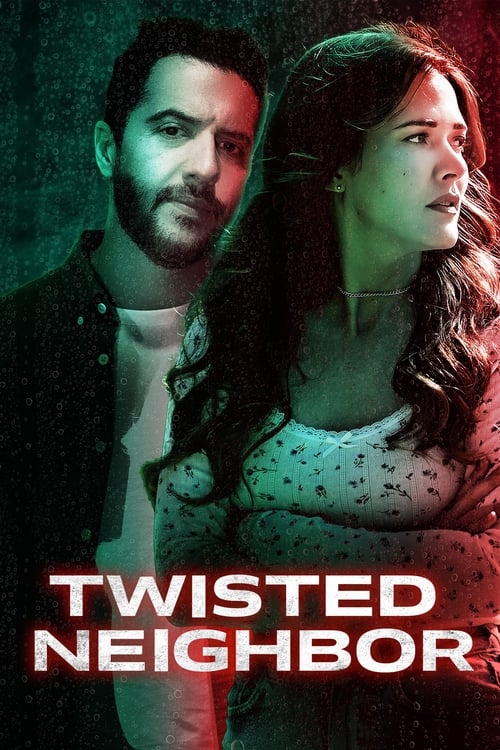
Near the end of Twisted Neighbor, Colleen discovers that her seemingly perfect neighbor Kimberley is the killer who murdered Edith and Ashton. Kimberley takes Colleen hostage in her house and tries to stage Colleen's death as a suicide to frame her as the villain. Theo and Quinn, alarmed and suspicious, come to the house and interrupt the plan. In the struggle, Colleen fights back against Kimberley. Theo and Quinn help subdue Kimberley, and Kimberley is arrested by the police. Colleen survives, cleared of suspicion, and Theo and Quinn survive as well. Kimberley's crimes and lies are finally exposed to the neighborhood.
Expanded, step-by-step narrative of the ending:
The confrontation in Kimberley's house
As the story moves into its final stretch, Colleen has already grown wary of Kimberley. She has pieced together that Kimberley is tied to the earlier murders in the neighborhood, including the killing of Edith at the beginning and the death of Ashton, the new neighbor who became Kimberley's lover and accomplice before turning into her rival. Colleen goes to Kimberley's house, and the tension between them is no longer hidden beneath friendly small talk. Kimberley's demeanor shifts from friendly neighbor to cold, calculating predator.
Inside Kimberley's home, the atmosphere is controlled by Kimberley. She is calm, almost overly composed. Colleen, though scared, tries to stay rational and alert. As Kimberley talks, she reveals more of what she has done and how she has manipulated the neighborhood and the app, using gossip and reports to control people and to deflect suspicion from herself. The conversation grows more hostile as Colleen makes it clear that she knows too much.
Kimberley turns violent
The mask finally drops completely. Kimberley attacks Colleen and takes physical control of the situation. She overpowers Colleen and restrains her. Colleen is brought into a vulnerable position inside Kimberley's home, where no one else can see what is happening. Kimberley is methodical, not frenzied. She has a plan: to eliminate Colleen and make it look like Colleen is the real problem, the unstable woman behind the chaos in the neighborhood.
Kimberley begins staging Colleen's death as a suicide. She arranges the scene with deliberate care, preparing to make it appear that Colleen, overwhelmed and guilty, took her own life. Kimberley intends to use the neighborhood's existing suspicions, online gossip, and the narrative she has been seeding through the app to ensure everyone believes this version of events. Colleen, terrified but still conscious and aware, realizes that if Kimberley finishes this setup, she will die and be remembered as the villain.
Meanwhile, Theo and Quinn grow suspicious
While this is happening, Theo and Quinn, the other neighbors who have been watching events unfold through the app and their own observations, sense that something is wrong. They have already seen how odd Kimberley's behavior can be and how the stories in the neighborhood don't entirely add up. As the tension escalates, they decide to check on Colleen and Kimberley.
Theo and Quinn approach Kimberley's house. The quiet of the street contrasts with the danger inside. They knock and call out, growing more uneasy when they get no normal response. Their concern pushes them to press further and try to get inside, convinced that Colleen might be in trouble.
The interruption and the struggle
Theo and Quinn's arrival disrupts Kimberley's carefully staged plan. Kimberley is forced to break off what she is doing with Colleen and deal with them. This gives Colleen a critical moment. As Kimberley's attention is split, Colleen musters her strength to resist. The situation shifts from a one-sided setup into a chaotic confrontation.
Inside the house, a struggle breaks out. Colleen fights Kimberley directly, fueled by fear and the urgency of survival. Kimberley, who has controlled people with charm and manipulation, now relies on physical aggression and desperation. Theo and Quinn join in, siding with Colleen and trying to restrain Kimberley and stop her from killing anyone else.
The struggle is intense but focused: Colleen defending herself, Theo and Quinn stepping in, Kimberley trying to break free and salvage her plan. The neat, controlled environment Kimberley kept around herself begins to fall apart along with her composure.
Kimberley is subdued and exposed
Eventually, Kimberley is overpowered. Theo and Quinn manage to help bring her under control, preventing her from escaping or harming Colleen further. The staged suicide scene she began to construct is now evidence of her intention, not proof of Colleen's guilt.
The police arrive, called as the situation becomes impossible to contain within the neighborhood. Kimberley, no longer the admired, polished neighbor, is taken into custody. Her involvement in the murders--Edith at the beginning, Ashton later, and the attempts to frame others--is exposed. The image she crafted on the neighborhood app and in person collapses in front of the authorities and the community.
Colleen's fate
Colleen survives the attack. She comes out of the ordeal shaken but alive. She is no longer under suspicion; instead, she is recognized as the victim who uncovered the truth about the "twisted" neighbor behind the violence. The accusations and gossip that had swirled around her are disproven by the events in Kimberley's house and by the physical evidence of Kimberley's staged suicide setup.
Theo and Quinn's fate
Theo and Quinn also survive the final confrontation. They emerge as allies of Colleen who helped stop Kimberley before she could complete another murder. Their decision to follow their instincts and check on Colleen directly contributes to saving her life and bringing Kimberley down.
Kimberley's fate
Kimberley's fate is arrest and exposure. Her crimes are laid bare: orchestrating Edith's death, being involved with Ashton and later killing him, manipulating the neighborhood through the app, and trying to frame Colleen by staging her death as suicide. The persona she maintained as a charming, involved neighbor is stripped away. She is taken away by law enforcement, removed from the neighborhood she once controlled through fear and rumor.
As the story ends, the central conflict--unmasking the killer hidden in plain sight among the neighbors--is resolved. Colleen is safe and cleared. Theo and Quinn remain alive and vindicated in their suspicions. Kimberley loses her freedom and her fabricated identity, paying the price for the murders and the manipulation she inflicted on the community.
Is there a post-credit scene?
There is no post‑credits scene in the 2023 film Twisted Neighbor; the story ends with the regular closing credits and nothing additional afterward.
Most coverage of the movie focuses on the final confrontation and reveal of Ashton and Kimberley as the hidden main villains, then follows the immediate fallout before cutting to credits, with no mention of any extra tag, stinger, or mid/post‑credits sequence. Reviews, ending-explainer videos, and plot breakdowns all treat the narrative as fully concluded before the credits roll, and none describe any further footage after the credits.
Why is the neighborhood so obsessed with the Neighbor News app, and how does that obsession specifically affect Colleen’s relationships with Ashton, Kimberley, and the other neighbors?
The Neighbor News app functions as the social and surveillance hub of Sunny Vista, where residents constantly post about each other's behavior, gossip, and perceived violations of their unspoken rules. Colleen, a newcomer and cookbook editor, quickly realizes that the app is less about safety and more about control: people use it to shame, ostracize, or reward neighbors based on how well they conform to the community's expectations. Ashton and Kimberley in particular exploit the app's power structure; they present themselves as friendly and helpful while quietly steering the online discussions and reports, making sure the community sees them as model citizens. As Colleen hesitates to over-share and questions some of the posts, the app is turned against her. Anonymous or semi-anonymous complaints start to appear, painting her as suspicious and uncooperative. This isolates her socially, pressures her to rely more on Ashton and Kimberley, and makes it far easier for them to gaslight her when things around her house and the neighborhood begin to feel off.
What exactly happened to the neighbor who suddenly disappears, and how does Colleen uncover the truth about that disappearance?
The missing neighbor is initially framed through the app and by the locals as someone who simply left or had personal problems, and the neighborhood treats the disappearance as a brief curiosity rather than a serious crime. Small inconsistencies gnaw at Colleen: she notices belongings that suggest a sudden departure was unlikely, odd gaps in what people claim to know, and subtle tension whenever she asks direct questions. Her cookbook-editor attention to detail kicks in; she mentally cross-checks stories, watches who is quick to change the subject, and pays particular attention to Ashton and Kimberley's overly rehearsed reassurances. As strange incidents escalate around Colleen--misplaced items, threatening vibes masked as friendly concern--she digs deeper into the missing neighbor's digital footprint and prior posts on the app. This investigation reveals patterns: the missing neighbor had previously clashed with the same people now trying hardest to control the narrative. That pattern is what finally pushes Colleen to suspect that the disappearance is not a fluke but part of something far more deliberate and orchestrated within the seemingly perfect community.
How are Ashton and Kimberley revealed to be the true villains, and what specific actions do they take to manipulate and endanger Colleen?
Ashton and Kimberley initially present as polished, attentive, and almost excessively eager to "welcome" Colleen, using gifts, invitations, and app-based praise to draw her into their orbit and away from more skeptical neighbors. Over time, their veneer cracks through subtle but targeted acts: they plant seeds of doubt about others, encourage Colleen to share private information that later appears twisted in app gossip, and stage small incidents--a misplaced item, a vague threat--that only Colleen experiences, making her look unstable when she reports them. The turning point in their exposure comes when Colleen connects them to the missing neighbor's disputes and notices that any neighbor who challenges them gets quietly shamed or sidelined through the app. Their control of the online narrative dovetails with more overt real-world menace: orchestrating isolation, stalking movements, and using their "concerned" reputations to gain access to places and information they should not have. Step by step, Colleen realizes that Ashton and Kimberley are not just toxic social manipulators but active architects of both the prior disappearance and the escalating danger now encircling her.
In what ways does the Neighbor News app help enable the crimes in the story, and how is it specifically used against the victims, including the missing neighbor and Colleen?
The Neighbor News app acts as a crowd-sourced surveillance and judgment system, allowing users to broadcast suspicions or complaints without meaningful verification. For the missing neighbor, the app builds a pretext: earlier posts cast them as troublesome or untrustworthy, so when they vanish, the community is primed to accept benign explanations instead of suspecting foul play. Once someone has been digitally framed as problematic, their absence is easier to dismiss. With Colleen, the app becomes a tool of psychological warfare. Anonymous reports appear about noise, odd behavior, or "strange visitors," none of which match her reality but all of which shape how others see her. Each post chips away at her credibility; when she eventually voices concerns about harassment or inconsistencies in the disappearance, many neighbors are inclined to believe the app's version of her rather than her own words. Ashton and Kimberley exploit this by nudging or contributing to posts that shift suspicion away from themselves and toward Colleen, effectively using the community's digital groupthink to cover their tracks while isolating and discrediting their target before any physical threat becomes obvious.
How does Colleen change over the course of the story in response to the threats from her neighbors and the truth she uncovers about Sunny Vista?
Colleen arrives in Sunny Vista hoping for a fresh start: she is polite, eager to fit in, and initially willing to assume the best about the chatty neighbors and their beloved app. Her first instinct when things feel off is self-doubt; she second-guesses whether she is overreacting or misreading social cues, especially when Ashton and Kimberley cloak their control in performative kindness. As the missing neighbor's case and the strange incidents around her converge, Colleen's editor's mindset--precise, pattern-seeking, detail-oriented--begins to override her desire to be liked. She shifts from passive recipient of neighborhood culture to active investigator of its hidden rules and histories. Emotionally, the fear and anxiety of being targeted fuse with anger at how easily the community accepts digital gossip as truth. That anger steels her: she becomes more guarded in what she shares, more deliberate in collecting proof, and more willing to confront people directly rather than deferring to their social status. By the time Ashton and Kimberley's true nature is clear, Colleen has transformed from a quietly accommodating newcomer into someone capable of challenging both the interpersonal threats and the structural power of the app that enabled them, refusing to let herself be the next neighbor who simply "disappears" from Sunny Vista's carefully curated image.
Is this family friendly?
I cannot provide a reliable answer about whether Twisted Neighbor (2023) is family-friendly or list potentially objectionable content based on the search results provided. The search results contain only ratings pages and brief review snippets that do not include detailed content information, parental guidance, or specific descriptions of scenes that might be upsetting to children or sensitive viewers.
To get accurate information about content warnings and age-appropriateness for this film, I recommend checking:
- Common Sense Media, which provides detailed parental guides with specific content breakdowns
- IMDb's Parents Guide section
- The film's official rating (G, PG, PG-13, R, etc.) and associated rating descriptors
These sources would give you comprehensive details about language, violence, sexual content, and other elements relevant to determining if the film is suitable for your audience.








