
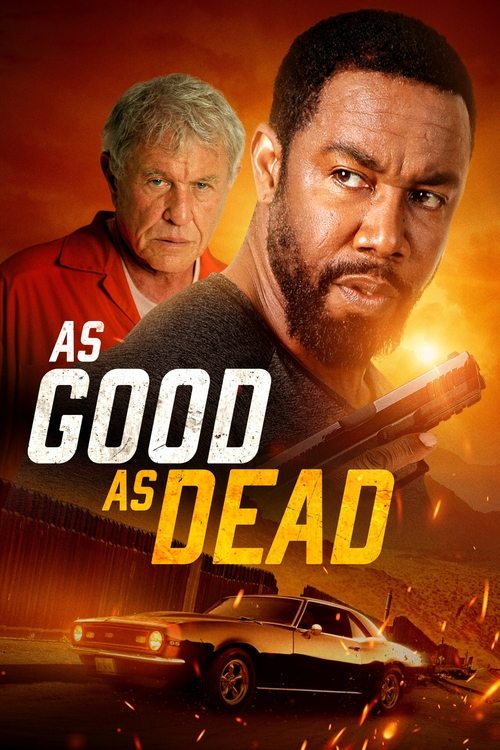

















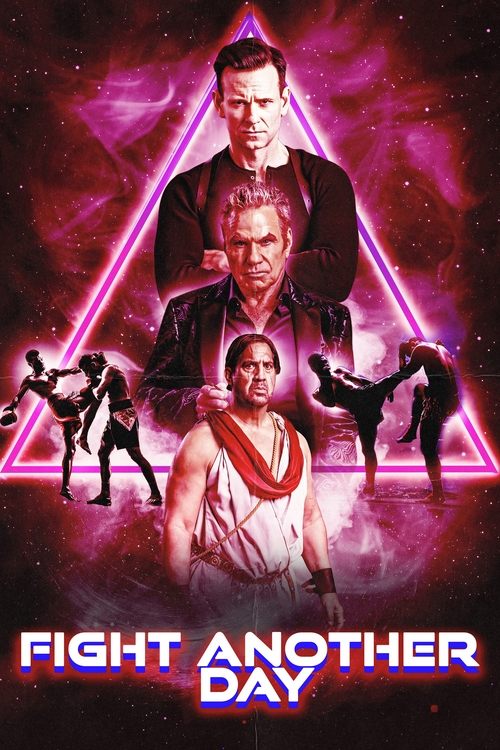
Popular
What specific events lead to the climax of the film?
How does the setting influence the characters' actions and decisions in the film?
What motivates the main character, John, to take the actions he does throughout the film?
How does the relationship between John and his estranged daughter evolve during the film?
What role does the antagonist play in John's journey, and how do they interact?
Should I watch it?
Ask Your Own Question

What is the plot?
The sun hangs low over Nogales, Mexico, casting long shadows across the dusty streets of the border town. The air is thick with the scent of grilled meat and exhaust, the sounds of distant music and children's laughter drifting through the evening. In a modest trailer on the edge of town, Bryant, a man with a quiet intensity and a past he refuses to speak of, practices his martial arts routine on a wooden post wrapped in tires. His movements are precise, fluid, and practiced--each strike a reminder of the life he left behind. He works as a surveyor by day, blending into the background, avoiding attention, and keeping to himself. His trailer, though unassuming from the outside, is a fortress: steel plating, security monitors, an escape hatch leading to a commandeered narco tunnel, and a sprinkler system rigged to spray acid on trespassers. Bryant is not just hiding; he is preparing.
Across town, Oscar, a bullied teenager with a quiet strength, spends his days caring for his younger siblings. His older brother, Hector, is a hardened gang member, recently released from jail, and Oscar fears the same path awaits him. Hector is loud, brash, and protective in his own way, but his world is one of violence and crime. Oscar, desperate for something better, begins to watch his neighbor Bryant from a distance, fascinated by the man's solitary discipline. He starts to mimic Bryant's movements, practicing in secret, hoping to learn how to defend himself.
One afternoon, Oscar is caught spying. Bryant, annoyed but not unkind, confronts him. "You want to learn?" he asks, his voice low and measured. Oscar nods, and reluctantly, Bryant agrees to teach him. Their sessions become a ritual--Oscar learning self-defense, Bryant slowly opening up, the two forming an unlikely bond. Bryant becomes a mentor, a teacher, and, in a way, a father figure to Oscar. Hector, meanwhile, sees opportunity. He takes Oscar to the local underground fight competition, hoping to profit from his brother's newfound skills. When Oscar challenges and defeats the champion, the fight is recorded and the video goes viral, spreading through the town and beyond.
The attention is immediate and dangerous. At the gym, two men--twin assassins with cold eyes and matching scars--ask about Bryant. Oscar and Hector, sensing trouble, rush to warn him. "Get in the house!" Bryant barks as soon as he hears about the twins, his voice sharp with urgency. The trailer's doors slam shut, the security system activates, and the three men huddle inside, the air thick with tension. Bryant knows who the twins are and what they represent: his past, his enemies, the life he tried to leave behind.
The twins arrive that night, their approach silent and deadly. Bryant, Oscar, and Hector watch from the monitors as the assassins move through the yard. The sprinkler system sprays acid, forcing the twins back, but they are relentless. Bryant arms himself, his movements calm and calculated. The first confrontation is brutal--Bryant dispatches several of the twins' henchmen with a combination of guns, a crossbow, and his martial arts skills. The fight spills into the yard, the night lit by flashes of gunfire and the sickly green glow of the acid. One of the twins, cornered and desperate, lights himself on fire to escape Bryant's wrath, his screams echoing into the darkness.
The violence escalates. Don Alvarez, a powerful local crime boss, sends his men to investigate the disturbance. Hector, initially wary of Bryant, begins to see him as an ally. The two men, despite their differences, form a tense but effective partnership. Hector, shocked by the extent of Bryant's preparations--the steel plating, the monitors, the escape tunnel--begins to respect him. Their banter is sharp, filled with references to old action movies and nicknames like "Rambro" and "Schwarzenegro," a moment of levity in the midst of chaos.
Marisol, the receptionist at the local gym and daughter of the owner, catches Oscar's attention after his fight. She is drawn to his quiet strength and becomes involved in the group's struggle, tagging along and eventually getting kidnapped by Alvarez's men. Her presence adds another layer of tension, but she proves her worth by kneecapping one of her captors during the climax.
The film's action sequences are relentless. Bryant faces six men armed with machetes in a 6-versus-1 battle. Unarmed at first, he uses the terrain and his skills to turn the tide, eventually wielding two machetes and defeating all six opponents. The scene is a showcase of Bryant's combat prowess, a brutal and visceral display of survival. In another confrontation, Bryant faces men with machine guns, manages to steal a weapon, and when he runs out of ammo, is pursued by men with machetes up a hill. At the hilltop, he punches out the first attacker, takes his machete, and slashes the remaining opponent.
The climax is a large-scale shootout involving Don Alvarez's men and a group of Mexican bikers. The gunplay is intense, with casualties on both sides. Bryant, Hector, and Oscar fight side by side, their bond solidified through shared struggle. Hector achieves one kill, as does Don Alvarez, but the main antagonists are dispatched by others. The action is marred by some shoddy CGI, but the intensity and momentum carry the film through.
In the end, Bryant succeeds in protecting Oscar and Hector, saving the boy and clearing his name. The relationship between the brothers and their bond with Bryant is solidified through their shared experiences. Oscar learns that someone genuinely cares about his wellbeing and future, beyond the gang life that his brother initially represented. Hector's character arc is particularly significant--he transitions from being perceived as a potential villain and negative influence to becoming a capable ally who understands how to use weapons and fight alongside Bryant. The film subverts expectations by not making Hector the antagonist; instead, external threats force an unlikely alliance between the three characters.
The ending emphasizes that despite the surface seriousness of the narrative--involving gangsters, crime, and murder--the film maintains a lighter tone, with the characters bonding through their shared experiences and the humor that emerges from their interactions. Bryant's journey from isolation and attempted redemption to being forced back into action to protect those he cares about is complete. Oscar's arc involves growing from a bullied, vulnerable teenager into a capable fighter and young man. Hector's arc transforms him from a seemingly one-dimensional gang member into a complex character with depth and humor. The film ultimately explores themes of redemption, found family, mentorship, and the impossibility of truly escaping one's past.




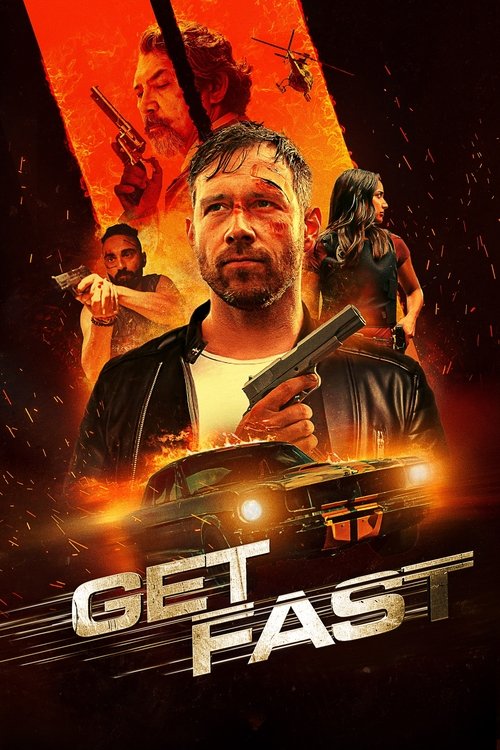




What is the ending?
In the ending of "As Good as Dead," the protagonist, a man named John, confronts his past and the people who have wronged him. After a tense standoff, he manages to outsmart his adversaries, leading to a resolution that allows him to reclaim his life and find a sense of peace. The film concludes with John walking away from the chaos, symbolizing his newfound freedom.
As the climax of "As Good as Dead" unfolds, the tension in the air is palpable. John, having been pushed to his limits, stands in a dimly lit warehouse, the shadows dancing around him as he faces off against his main antagonist, a ruthless figure from his past. The atmosphere is thick with anticipation, and John's heart races, a mix of fear and determination coursing through him. He knows that this confrontation is not just about survival; it's about reclaiming his identity and confronting the demons that have haunted him for so long.
The scene shifts as John recalls the moments that led him here--flashbacks of betrayal, loss, and the relentless pursuit of vengeance. Each memory fuels his resolve, and he grips a weapon tightly, his knuckles white with tension. The camera zooms in on his face, capturing the flicker of doubt that momentarily crosses his features, but it quickly transforms into a steely determination. He is no longer the victim; he is ready to fight back.
As the standoff begins, John's adversary taunts him, trying to provoke a reaction. The dialogue is sharp, filled with venomous barbs that cut deep. John stands his ground, his voice steady as he counters each insult with a calmness that belies the storm brewing inside him. The stakes are high, and the tension escalates as both men circle each other, each waiting for the other to make a move.
Suddenly, the confrontation erupts into chaos. Gunfire rings out, and John dives for cover, adrenaline surging through his veins. The warehouse becomes a battleground, filled with the sounds of shattering glass and ricocheting bullets. John's instincts kick in, and he navigates the space with agility, using his surroundings to his advantage. He recalls the training he received in his past, each movement deliberate and calculated.
In a pivotal moment, John manages to outmaneuver his adversary, using a combination of strategy and sheer willpower. He disarms the antagonist, the weapon clattering to the ground, and in that instant, the power dynamic shifts. John stands over his foe, breathing heavily, the weight of his past lifting as he finally confronts the man who has caused him so much pain.
The resolution comes swiftly. John, with a mix of anger and relief, delivers a final blow--not just physically, but emotionally. He confronts the antagonist with words that encapsulate his journey, expressing the pain and betrayal he has endured. The antagonist, now vulnerable, realizes the extent of his actions and the impact they have had on John's life.
As the dust settles, John walks away from the warehouse, the chaos behind him. The camera follows him as he steps into the light, symbolizing his emergence from darkness. He takes a deep breath, the weight of his past finally lifting. The final scenes show him reconnecting with loved ones, hinting at a future filled with hope and healing.
In the aftermath, the fates of the main characters are revealed. John, having faced his demons, finds a sense of closure and begins to rebuild his life. The antagonist, now defeated, is left to grapple with the consequences of his actions, a stark reminder of the choices that led to his downfall. The film closes on a note of resilience, emphasizing the power of confronting one's past and the possibility of redemption.
Is there a post-credit scene?
In the movie "As Good as Dead" (2022), there is indeed a post-credit scene that adds an intriguing layer to the story.
As the credits roll, the screen fades back in to a dimly lit room where a figure is seen sitting at a desk, shrouded in shadows. The atmosphere is tense, with the faint sound of a clock ticking in the background, emphasizing the weight of time and decisions. The camera slowly zooms in, revealing the character's face, which is partially obscured.
This character, who is revealed to be a key antagonist from earlier in the film, is seen reviewing files and photographs related to the main characters. A smirk crosses their face as they pick up a particular photo, one that hints at a deeper conspiracy and unresolved issues that could lead to further conflict.
The scene ends with the character making a phone call, their voice low and conspiratorial, suggesting that they are still very much in control and plotting their next move. This moment leaves the audience with a sense of unease and anticipation, hinting that the story may not be over and that the stakes are still high. The post-credit scene effectively sets the stage for potential future developments, keeping viewers engaged and curious about what might come next.
What specific events lead to the climax of the film?
The climax is built up through a series of escalating confrontations, including a pivotal moment where John discovers crucial information about the antagonist's plans. This revelation propels him into action, culminating in a high-stakes confrontation that forces him to confront both the antagonist and his own fears.
How does the setting influence the characters' actions and decisions in the film?
The film's setting, a gritty urban landscape, reflects the internal struggles of the characters. The dark, oppressive environment amplifies John's feelings of isolation and desperation, while also serving as a backdrop for key confrontations that highlight the stakes of his journey.
What motivates the main character, John, to take the actions he does throughout the film?
John, portrayed as a deeply troubled individual, is driven by a mix of personal loss and a desire for redemption. His past haunts him, particularly the death of a loved one, which fuels his quest for justice and ultimately leads him to confront the antagonists.
How does the relationship between John and his estranged daughter evolve during the film?
Initially, John and his daughter have a strained relationship, marked by resentment and misunderstanding. As the plot unfolds, they are forced to confront their past and communicate more openly, leading to moments of vulnerability that help them reconnect and heal.
What role does the antagonist play in John's journey, and how do they interact?
The antagonist serves as a catalyst for John's transformation. Their interactions are tense and charged, with the antagonist representing everything John despises. This conflict pushes John to confront his own demons and ultimately leads to a climactic showdown that tests his resolve.
Is this family friendly?
"As Good as Dead," produced in 2022, contains several elements that may not be suitable for children or sensitive viewers. Here are some potentially objectionable aspects:
-
Violence: The film includes scenes of physical altercations and confrontations that may be intense or graphic, which could be distressing for younger audiences.
-
Themes of Death: The narrative explores heavy themes surrounding mortality and loss, which may be emotionally challenging for some viewers.
-
Strong Language: There are instances of coarse language that may not be appropriate for family viewing.
-
Emotional Turmoil: Characters experience significant emotional distress, including anxiety and despair, which could be upsetting for sensitive viewers.
-
Mature Themes: The film delves into complex adult themes, including betrayal and moral dilemmas, that may be difficult for children to understand.
These elements contribute to a tone that may not be considered family-friendly, and parental discretion is advised.








