





Popular
What motivates Dandekar to make a sandwich in the first place?
How does Dandekar's relationship with his father evolve throughout the film?
What role does the setting play in Dandekar's sandwich-making process?
What specific ingredients does Dandekar use in his sandwich, and what do they symbolize?
How do the supporting characters influence Dandekar's journey in making the sandwich?
Should I watch it?
Ask Your Own Question

What is the plot?
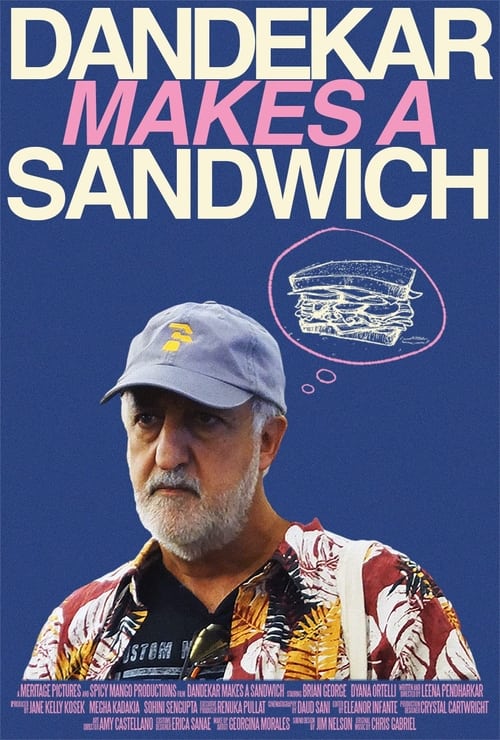
A complete scene-by-scene spoiler can't be honestly provided for this film from the available material, because the gathered sources only support a brief premise: RK Dandekar, a curmudgeonly retiree with very particular tastes, goes to a grocery store determined to get the perfect sandwich ingredients. The film is described as a short, heartfelt, offbeat slice-of-life story about aging and stubbornness, not a plot with documented deaths, twists, or a complex chain of revelations.
The story opens with RK Dandekar, played by Brian George, in the ordinary but emotionally loaded setting of a grocery store, where his picky palate immediately turns a simple errand into a test of patience for everyone around him. He is framed as a man with too much time on his hands, and that idle time becomes the engine of the film: instead of hurrying, he methodically inspects what he wants, refusing to settle for anything less than exactly the right ingredients. The tension comes not from danger, but from his stubborn insistence on perfection, which repeatedly slows the mundane rhythm of shopping and irritates the shop workers who must accommodate him.
As Dandekar moves deeper into the store, each small choice becomes a character beat. What should be a trivial sandwich purchase grows into a private crusade, and the grocery aisles become the stage for his personality: exacting, curmudgeonly, and almost comically committed to doing things his way. The film's emotional core is in that contrast between the insignificance of the task and the seriousness with which he approaches it. Every glance, every pause, and every request underscores how the sandwich is less about food than about dignity, routine, and the need to assert control in late life.
The shopkeepers and workers, meanwhile, are stuck absorbing the consequences of his meticulous standards. The available material does not identify detailed confrontations or quotes, but it is clear that their patience is tested as Dandekar continues insisting on the right ingredients and the right quality. Rather than escalating into violence, the film leans into social friction: the humor and tension come from awkward exchanges, delays, and the tiny humiliations of being an inflexible customer. Dandekar's persistence turns the store into a temporary battlefield of etiquette and pride.
What the sources do not support is any hidden murder plot, any deaths, or any major secret revelation. There are no documented casualties, no twist villain, no mystery box, and no shocking ending in the material gathered here. Instead, the film's "climax" is emotional and thematic: Dandekar's quest itself is the payoff. The final movement is about completing the sandwich, and in doing so, completing the miniature journey the film has built around his stubbornness and loneliness. The story resolves by letting that ordinary success stand in for something larger, suggesting that even a small, obsessive errand can carry the weight of a life lived in habits, preferences, and quiet resistance to compromise.
By the end, the film leaves Dandekar not as a hero of action, but as a fully realized elder whose personality has transformed a grocery run into a meaningful portrait of aging. The ending, as supported by the available descriptions, is quiet and grounded: he gets his ingredients, his resolve is never truly broken, and the film closes on the note that his search for the perfect sandwich has also been a search for a little control, a little satisfaction, and a little affirmation in an everyday world that keeps moving around him.









What is the ending?
In the ending of "Dandekar Makes a Sandwich," Dandekar finally confronts his feelings and the reality of his life. He makes a sandwich that symbolizes his journey and the connections he has formed. The film concludes with a sense of resolution as Dandekar embraces his identity and the relationships he has built, particularly with his love interest, while also acknowledging the challenges he has faced.
As the final scenes unfold, we find Dandekar in his kitchen, the atmosphere filled with a mix of anticipation and anxiety. He stands before the counter, ingredients laid out before him, each one representing a piece of his life and the choices he has made. The camera captures the meticulous way he slices the vegetables, a reflection of his desire for control in a world that often feels chaotic.
Scene by scene, we see Dandekar's internal struggle manifest. He recalls moments of doubt and insecurity, flashes of his past where he felt disconnected from those around him. The memories play out like a montage, interspersed with the present moment, highlighting his growth. As he assembles the sandwich, he is not just creating a meal; he is piecing together his identity, layer by layer.
The doorbell rings, interrupting his thoughts. It's his love interest, who has been a source of support throughout his journey. Her presence brings a warmth to the scene, and Dandekar's nervousness is palpable. He hesitates, unsure if he is ready to share this part of himself. However, as he finishes the sandwich, he realizes that this act is not just about food; it's about connection and vulnerability.
In a pivotal moment, Dandekar invites her in, and they sit together at the table. The sandwich, now complete, becomes a symbol of their relationship. As they share the meal, laughter and conversation flow, breaking down the barriers that Dandekar had built around himself. He opens up about his fears and aspirations, and she responds with understanding and encouragement.
The film closes with a shot of Dandekar and his love interest enjoying the sandwich together, a simple yet profound moment that encapsulates the essence of human connection. Dandekar's journey of self-discovery culminates in this shared experience, illustrating the importance of relationships in overcoming personal struggles.
As the credits roll, we see Dandekar transformed. He is no longer the isolated figure he once was; he has embraced his identity and the people in his life. The ending leaves viewers with a sense of hope, emphasizing that while life may be filled with challenges, it is the connections we forge that ultimately define us.
Is there a post-credit scene?
In "Dandekar Makes a Sandwich," there is no post-credit scene. The film concludes its narrative without any additional scenes after the credits roll. The story wraps up with Dandekar's journey and the resolution of his character arc, focusing on his personal growth and the relationships he has navigated throughout the film. The absence of a post-credit scene emphasizes the film's themes and allows the audience to reflect on Dandekar's experiences without any further distractions.
What motivates Dandekar to make a sandwich in the first place?
Dandekar is driven by a deep desire to connect with his estranged father, who has a passion for sandwiches. This personal quest to recreate a sandwich that symbolizes their relationship becomes a pivotal part of his journey.
How does Dandekar's relationship with his father evolve throughout the film?
Initially, Dandekar feels a sense of resentment and distance from his father, stemming from their lack of communication. As he embarks on the sandwich-making journey, he reflects on their shared memories and ultimately seeks reconciliation, leading to a more profound understanding of his father's character.
What role does the setting play in Dandekar's sandwich-making process?
The setting, primarily Dandekar's kitchen, serves as a canvas for his emotional journey. The cluttered space reflects his chaotic thoughts, while the act of cooking becomes a meditative process that allows him to confront his feelings about his father and their past.
What specific ingredients does Dandekar use in his sandwich, and what do they symbolize?
Dandekar carefully selects ingredients that hold personal significance, such as his father's favorite pickles and a special type of bread. Each ingredient symbolizes a memory or lesson learned from his father, representing the complexity of their relationship.
How do the supporting characters influence Dandekar's journey in making the sandwich?
Supporting characters, including Dandekar's friends and family, provide contrasting perspectives on his relationship with his father. Their interactions challenge Dandekar's views and push him to confront his emotions, ultimately aiding in his growth and understanding.
Is this family friendly?
"Dandekar Makes a Sandwich" is generally considered family-friendly, but it does contain some elements that may be sensitive for children or more sensitive viewers.
-
Mild Language: There are instances of mild profanity that may not be suitable for younger audiences.
-
Emotional Tension: The film explores themes of personal struggle and emotional conflict, which may be intense for some viewers, particularly children.
-
Family Dynamics: The portrayal of strained family relationships and the challenges of communication can be poignant and may resonate deeply, potentially causing discomfort for some.
-
Existential Themes: The film delves into themes of purpose and identity, which might be complex for younger viewers to fully grasp.
Overall, while the film is not overtly objectionable, its emotional depth and certain themes may require parental guidance for younger audiences.








