
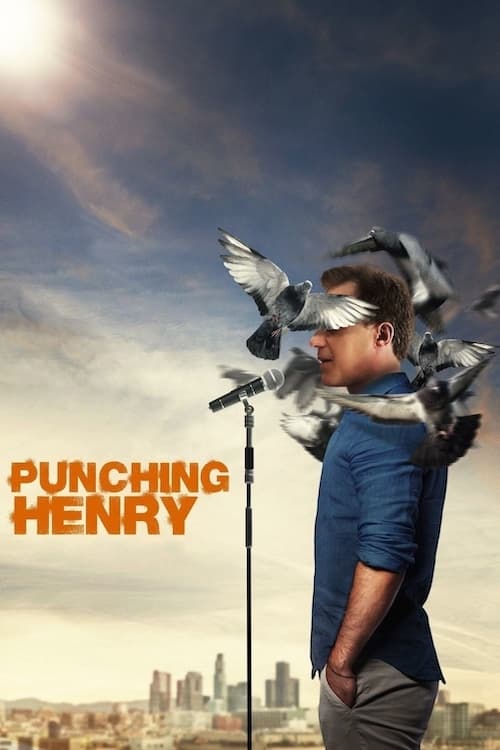

























Popular
What motivates Henry to pursue a career in comedy despite his struggles?
How does Henry's relationship with his manager, played by his friend, evolve throughout the film?
What role does the character of the internet troll play in Henry's journey?
How does Henry's family background influence his comedic style and material?
What is the significance of the various stand-up performances throughout the film?
Should I watch it?
Ask Your Own Question

What is the plot?
Sorry, we aren't able to watch and write up a full detailed plot yet. Check back in a few days.



What is the ending?
In the ending of "Punching Henry," Henry Phillips faces the consequences of his choices as he navigates the complexities of his career and personal life. After a series of events that lead him to a breaking point, he ultimately finds a sense of resolution and acceptance.
As the film progresses towards its conclusion, Henry is seen grappling with the fallout from his experiences in the entertainment industry. He has been on a journey filled with ups and downs, and the culmination of his struggles leads him to a moment of clarity. In the final scenes, he confronts the reality of his situation, realizing that he must take control of his narrative rather than letting others dictate it for him.
In a poignant moment, Henry decides to embrace his true self and the authenticity of his comedic voice. This decision marks a turning point for him, as he chooses to step away from the expectations placed upon him by the industry and those around him. The film closes with a sense of hope, as Henry begins to forge a new path that aligns with who he truly is.
Now, let's delve into the ending in a more detailed, chronological narrative.
As the film nears its conclusion, Henry Phillips finds himself at a crossroads. He has been through a tumultuous journey, filled with the highs and lows of trying to make it as a comedian. The pressure from the industry and the expectations of those around him weigh heavily on him. In the final act, Henry is invited to perform at a comedy festival, a significant opportunity that could either make or break his career.
In the lead-up to the festival, Henry is seen struggling with self-doubt. He reflects on his past performances, the criticisms he has faced, and the moments of vulnerability that have shaped him. The audience witnesses his internal conflict as he grapples with the idea of conforming to what others expect versus staying true to his comedic style. This tension is palpable, and it resonates with anyone who has ever felt the pressure to fit into a mold.
On the day of the festival, Henry arrives at the venue, filled with a mix of excitement and anxiety. The atmosphere is electric, with fellow comedians and fans buzzing around him. As he prepares to take the stage, he is confronted by the reality of his situation. He sees other performers who have seemingly found success, and this comparison heightens his insecurities. However, he also encounters supportive friends who remind him of his unique voice and the importance of authenticity in comedy.
When it's finally time for Henry to perform, he steps onto the stage, the spotlight illuminating him. The audience is a mix of eager fans and critical industry figures. As he begins his set, he initially struggles to find his rhythm, but then something shifts within him. He starts to embrace his true self, sharing stories and jokes that reflect his genuine experiences rather than what he thinks the audience wants to hear. This moment is transformative; he connects with the audience on a deeper level, and laughter fills the room.
As Henry finishes his set, the applause is thunderous. He has not only entertained but also found a sense of liberation in being true to himself. The emotional weight he has carried throughout the film begins to lift, and he realizes that success is not solely defined by industry approval but by personal fulfillment and authenticity.
In the aftermath of his performance, Henry is approached by various industry figures who express interest in his work. However, instead of feeling pressured to conform, he stands firm in his newfound understanding of what he wants from his career. He acknowledges that he may not fit the traditional mold of a successful comedian, but he is okay with that. This acceptance marks a significant shift in his character, showcasing his growth throughout the film.
The film concludes with Henry walking away from the festival, a sense of peace surrounding him. He has faced the challenges of the entertainment industry and emerged with a clearer sense of identity. The final scenes depict him engaging with friends and supporters, hinting at a future where he can continue to pursue his passion on his own terms.
In summary, the fates of the main characters are intertwined with Henry's journey. Henry finds a renewed sense of purpose and authenticity, while those around him, including his friends and fellow comedians, support him in this new chapter. The ending encapsulates the film's exploration of identity, the pressures of the entertainment industry, and the importance of staying true to oneself.
Is there a post-credit scene?
In the movie "Punching Henry," there is no post-credit scene. The film concludes without any additional scenes or content after the credits roll. The story wraps up with a focus on the main character, Henry Phillips, and his journey through the ups and downs of his career as a comedian, leaving the audience with a sense of closure regarding his struggles and relationships.
What motivates Henry to pursue a career in comedy despite his struggles?
Henry, played by Jim Jefferies, is driven by a deep desire to connect with people and share his experiences through humor. His journey reflects his need for validation and acceptance, stemming from a challenging past and a longing to overcome personal demons.
How does Henry's relationship with his manager, played by his friend, evolve throughout the film?
Henry's relationship with his manager, played by his friend, is complex and strained. Initially, there is camaraderie and support, but as the pressures of the comedy industry mount, their friendship is tested. Henry's frustrations with the business and his manager's attempts to capitalize on his persona create tension, leading to moments of conflict and reflection.
What role does the character of the internet troll play in Henry's journey?
The internet troll serves as a catalyst for Henry's internal conflict. The troll's relentless negativity and personal attacks force Henry to confront his insecurities and question his worth as a comedian. This antagonistic relationship highlights the darker side of fame and the impact of online criticism on personal identity.
How does Henry's family background influence his comedic style and material?
Henry's family background is pivotal in shaping his comedic style. Growing up in a dysfunctional household, he draws on his experiences with family dynamics, pain, and humor as coping mechanisms. This background informs his material, allowing him to connect with audiences through relatable, albeit often dark, humor.
What is the significance of the various stand-up performances throughout the film?
The stand-up performances in 'Punching Henry' serve as a narrative device to showcase Henry's growth as a comedian. Each performance reflects his emotional state and the evolution of his material, illustrating his struggles with authenticity and the pressures of the comedy scene. These moments are crucial for character development and highlight the highs and lows of pursuing a career in entertainment.
Is this family friendly?
"Punching Henry" is not considered family-friendly due to its mature themes and content. Here are some potentially objectionable or upsetting aspects that may occur:
-
Strong Language: The film contains frequent use of profanity, which may not be suitable for younger audiences.
-
Adult Themes: The narrative explores themes of failure, disappointment, and the struggles of a comedian, which may be complex and difficult for children to understand.
-
Violence: There are scenes that depict physical confrontations and the concept of violence, which could be unsettling.
-
Substance Use: The film includes references to alcohol and drug use, which may not be appropriate for younger viewers.
-
Emotional Turmoil: Characters experience significant emotional distress, including feelings of inadequacy and depression, which could be upsetting for sensitive viewers.
-
Sexual Content: There are references to sexual situations and relationships that may not be suitable for children.
Overall, the film's tone and content are geared towards an adult audience, making it less appropriate for children or those who are sensitive to such themes.





