
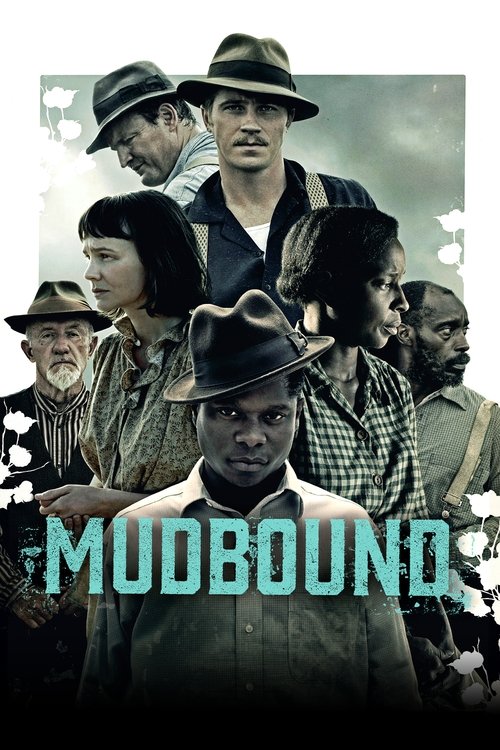



















Popular
What are the main struggles faced by the Jackson family on the farm?
How does Jamie's relationship with Ronsel evolve throughout the film?
What motivates Laura to stay on the farm despite the hardships?
How does the character of Henry change throughout the film?
What role does the setting of the Mississippi Delta play in the characters' lives?
Should I watch it?
Ask Your Own Question

What is the plot?
Sorry, we aren't able to watch and write up a full detailed plot yet. Check back in a few days.









What is the ending?
In the ending of "Mudbound," Jamie returns home from the war, struggling with his trauma. He and Ronsel, who also faced the horrors of war, share a moment of understanding. However, the racial tensions and the oppressive environment lead to tragedy. Ronsel is killed by the white community, and the film concludes with the characters grappling with their losses and the harsh realities of their lives.
As the film approaches its conclusion, we see Jamie McAllan, who has returned from World War II, grappling with the psychological scars of combat. He is haunted by memories of the war, and his internal struggle is palpable. He finds solace in the company of Ronsel Jackson, a fellow veteran who fought in the same war but faced a different battle back home due to the color of his skin. Their bond deepens as they share their experiences, revealing the stark contrast between their lives despite their shared service.
In a poignant scene, Jamie and Ronsel meet at the river, a place that symbolizes both freedom and the weight of their realities. They talk about their dreams and the burdens they carry, creating a moment of connection that transcends the racial divide. However, this moment of camaraderie is fleeting, as the societal pressures and prejudices of the time loom large over them.
The tension escalates when Ronsel, returning to his family after the war, faces hostility from the white community. His attempts to assert his dignity and rights are met with violent resistance. The climax of the film occurs when Ronsel is brutally murdered by the local white men, led by the deeply racist character of Pappy McAllan, Jamie's father. This act of violence is a culmination of the racial tensions that have been simmering throughout the film, showcasing the brutal reality of life for Black men in the South during this era.
In the aftermath of Ronsel's death, the emotional toll is heavy on all characters involved. Laura McAllan, Jamie's wife, is left to grapple with the loss and the implications of the violence that has erupted in their community. She feels the weight of her family's struggles and the societal injustices that have led to such a tragic outcome.
Jamie, devastated by the loss of his friend and the senseless violence, is left in a state of despair. He is unable to reconcile the horrors of war with the horrors of his own community's racism. The film closes with a sense of unresolved tension, as the characters are left to navigate their grief and the harsh realities of their lives. The final scenes emphasize the cyclical nature of violence and the deep-rooted issues of race and class that continue to plague their world.
In summary, the ending of "Mudbound" encapsulates the tragic fates of its main characters: Ronsel is killed, Jamie is left traumatized and grieving, and Laura is left to confront the harsh realities of her family's existence amidst the backdrop of racial violence. The film concludes with a haunting reminder of the struggles faced by those who are marginalized and the enduring impact of systemic racism.
Is there a post-credit scene?
The movie "Mudbound," produced in 2017, does not have a post-credit scene. The film concludes its narrative without any additional scenes or content after the credits roll. The story wraps up with the emotional and thematic weight of the characters' journeys, particularly focusing on the struggles of the Jackson and McAllan families in the racially charged environment of post-World War II Mississippi. The ending emphasizes the lasting impact of their experiences and the deep-seated issues of race, class, and family that permeate the film.
What are the main struggles faced by the Jackson family on the farm?
The Jackson family, particularly Florence, faces numerous struggles on the farm, including the harsh realities of racism, poverty, and the constant threat of violence from white neighbors. Florence's internal conflict is heightened by her desire to protect her family while navigating a world that dehumanizes them. The physical labor of farming in the unforgiving Mississippi mud adds to their emotional and physical burdens.
How does Jamie's relationship with Ronsel evolve throughout the film?
Jamie and Ronsel's relationship begins with a bond formed during their time in World War II, where they share experiences that transcend racial boundaries. Upon returning home, their friendship is tested by the societal norms of the Jim Crow South. Jamie's struggle with PTSD and Ronsel's fight against racism create a complex dynamic, leading to moments of camaraderie and ultimately tragedy as societal pressures pull them apart.
What motivates Laura to stay on the farm despite the hardships?
Laura is driven by a deep sense of duty and love for her family, despite the overwhelming challenges of farm life. Her internal conflict is marked by feelings of isolation and despair, yet she clings to the hope of a better future for her children. Laura's resilience is tested as she navigates her husband's emotional distance and the harsh realities of their environment.
How does the character of Henry change throughout the film?
Henry starts as a hopeful yet naive man, eager to build a life on the farm. However, as the story progresses, he becomes increasingly burdened by the weight of his responsibilities and the harsh realities of racism and poverty. His internal struggle with his own complicity in the systemic oppression around him leads to moments of conflict, particularly with Ronsel, revealing his moral dilemmas and ultimately contributing to his tragic fate.
What role does the setting of the Mississippi Delta play in the characters' lives?
The Mississippi Delta serves as a harsh and unforgiving backdrop that shapes the characters' experiences. The mud symbolizes both the physical labor required to survive and the emotional entrapment felt by the families. The oppressive heat and the constant struggle against nature reflect the characters' internal battles, particularly for those like Florence and Ronsel, who are fighting against societal constraints and personal trauma.
Is this family friendly?
"Mudbound," produced in 2017, is not considered family-friendly due to its mature themes and intense subject matter. Here are some potentially objectionable or upsetting aspects that may affect children or sensitive viewers:
-
Racial Tension and Violence: The film explores the harsh realities of racism in the post-World War II South, including scenes of racial discrimination and violence that can be distressing.
-
War Trauma: Characters experience the psychological effects of war, including flashbacks and emotional turmoil, which may be unsettling for younger audiences.
-
Death and Grief: The film addresses themes of loss and mourning, with characters dealing with the death of loved ones, which can be emotionally heavy.
-
Sexual Assault: There are implications of sexual violence that are depicted in a way that highlights the trauma experienced by the characters, which can be triggering for some viewers.
-
Harsh Living Conditions: The portrayal of poverty and the struggles of rural life during and after the war includes scenes of physical hardship and emotional despair.
-
Substance Abuse: Some characters struggle with alcohol use as a coping mechanism, which may not be suitable for younger viewers.
These elements contribute to the film's overall tone and themes, making it more appropriate for mature audiences.