







Popular
Should I watch it?
Ask Your Own Question

What is the plot?
Sorry, we aren't able to watch and write up a full detailed plot yet. Check back in a few days.








What is the ending?
In the ending of "Kim Dotcom: Caught in the Web," Kim Dotcom faces the culmination of his legal battles and the fallout from his online platform, Megaupload. The film concludes with a sense of uncertainty regarding his future, as he continues to fight against extradition to the United States while reflecting on the impact of his actions and the digital landscape.
As the film progresses towards its conclusion, we see Kim Dotcom in his lavish home in New Zealand, surrounded by his family and supporters. The tension builds as he prepares for the legal challenges ahead. The courtroom scenes are intense, showcasing the high stakes of his extradition case. Kim's determination to fight against the charges of copyright infringement and conspiracy is palpable, as he believes in the legitimacy of his platform and its role in the digital age.
In the final scenes, the film juxtaposes Kim's personal life with the legal turmoil he faces. We witness moments of vulnerability as he contemplates the implications of his actions on his family and his legacy. The emotional weight of the situation is evident, as he grapples with the possibility of losing everything he has built.
The film ends on an ambiguous note, leaving viewers with a sense of unresolved tension. Kim Dotcom's fate remains uncertain, as he continues to navigate the complexities of his legal battles, while the digital world he helped shape continues to evolve around him.
In a more detailed narrative:
As the final act unfolds, we find Kim Dotcom in his opulent mansion, a stark contrast to the chaos that has enveloped his life. The camera captures the lavish surroundings, filled with modern technology and family photos, symbolizing both his success and the personal stakes involved. Kim is seen interacting with his children, laughter echoing through the halls, yet there is an underlying tension in his demeanor. He is acutely aware of the legal storm brewing on the horizon.
The scene shifts to a courtroom, where the atmosphere is charged with anticipation. Kim sits at the defendant's table, flanked by his legal team. The prosecution presents its case, detailing the allegations against him with a sense of urgency. The audience can feel the weight of the accusations as they are laid bare, painting Kim as a villain in the eyes of the law. His expression is a mix of defiance and concern, reflecting his internal struggle. He believes in the righteousness of his actions, yet the reality of the situation looms large.
As the trial progresses, we see flashbacks of Kim's rise to fame, interspersed with moments of his current reality. These sequences highlight his journey from a tech visionary to a fugitive, emphasizing the stark contrast between his past successes and present challenges. The emotional turmoil is palpable; Kim's motivations are rooted in a desire for innovation and freedom of information, yet he is now facing the consequences of his ambition.
In a pivotal moment, Kim addresses the court, passionately defending his platform and its role in democratizing access to information. His words resonate with the audience, showcasing his belief in the transformative power of technology. However, the legal system is unforgiving, and the judge's expression remains stoic, underscoring the gravity of the situation.
As the film nears its conclusion, we return to Kim's home, where he reflects on the impact of his choices. The camera lingers on his face, capturing a mix of determination and vulnerability. He acknowledges the potential loss of his freedom and the strain on his family, yet he remains resolute in his fight. The emotional stakes are high, and the viewer can sense the weight of his decisions.
The final scenes are marked by a sense of ambiguity. Kim's legal battles are far from over, and the film leaves us with a lingering question about his future. The screen fades to black, and the audience is left to ponder the implications of his story in the broader context of digital rights and the evolving landscape of the internet.
In the end, Kim Dotcom's fate is uncertain, as he continues to navigate the complexities of his legal situation. His family stands by him, but the emotional toll is evident. The film closes without a definitive resolution, emphasizing the ongoing struggle between innovation and regulation in the digital age.
Is there a post-credit scene?
In the movie "Kim Dotcom: Caught in the Web," there is no post-credit scene. The film concludes its narrative without any additional scenes or content after the credits roll. The focus remains on the story of Kim Dotcom, his rise as a tech entrepreneur, and the legal battles he faces, leaving the audience with a sense of closure regarding his journey and the implications of his actions.
What motivates Kim Dotcom to create MegaUpload?
Kim Dotcom, portrayed as a visionary entrepreneur, is driven by a desire to revolutionize the way people share and access digital content. His passion for technology and belief in the freedom of information fuel his ambition to create MegaUpload, a platform that allows users to upload and share files easily. This motivation is intertwined with his personal experiences and frustrations with existing systems that he perceives as restrictive.
How does the U.S. government become involved in Kim Dotcom's case?
The U.S. government becomes involved in Kim Dotcom's case primarily due to allegations that MegaUpload is facilitating copyright infringement on a massive scale. As the platform gains popularity, it attracts the attention of the FBI and other authorities, who view Dotcom as a significant player in the piracy landscape. This leads to a series of legal actions and ultimately a high-profile raid on his mansion in New Zealand.
What is the significance of the raid on Kim Dotcom's mansion?
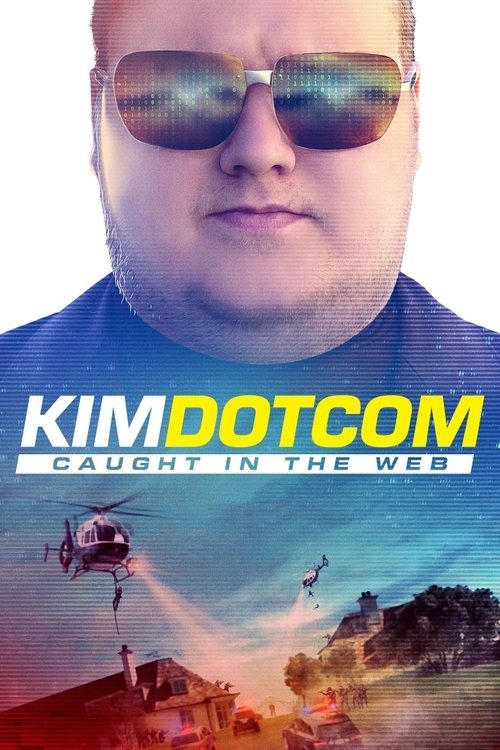
The raid on Kim Dotcom's mansion is a pivotal moment in the film, showcasing the dramatic escalation of the conflict between Dotcom and the authorities. The scene is filled with tension as armed police storm his home, reflecting the seriousness of the charges against him. This event not only marks a turning point in Dotcom's life but also serves as a symbol of the broader battle over digital rights and privacy.
How does Kim Dotcom's personal life impact his legal battles?
Kim Dotcom's personal life, including his relationships with his family and friends, plays a crucial role in shaping his emotional state throughout the legal battles. The stress of the accusations and the public scrutiny take a toll on his marriage and family life, leading to moments of vulnerability and introspection. His desire to protect his loved ones adds depth to his character and highlights the personal stakes involved in the legal proceedings.
What role do Kim Dotcom's supporters play in the story?
Kim Dotcom's supporters, including friends, family, and fellow entrepreneurs, play a vital role in the narrative by providing emotional and logistical support during his legal struggles. They rally around him, organizing campaigns and raising awareness about his situation, which underscores the themes of loyalty and community. Their involvement not only highlights the impact of Dotcom's case on a broader scale but also serves to humanize him amidst the legal turmoil.
Is this family friendly?
"Kim Dotcom: Caught in the Web" is a documentary that delves into the life of internet entrepreneur Kim Dotcom and the legal battles surrounding his file-sharing website, MegaUpload. While the film primarily focuses on legal and technological themes, there are several aspects that may be objectionable or upsetting for children or sensitive viewers.
-
Legal and Criminal Themes: The film discusses serious legal issues, including copyright infringement and the implications of internet piracy, which may be complex and distressing for younger audiences.
-
Violence and Threats: There are scenes depicting law enforcement raids, including the use of force and aggressive tactics, which could be alarming.
-
Emotional Struggles: Kim Dotcom's personal struggles, including the impact of his legal troubles on his family and mental health, are explored, which may evoke feelings of sadness or anxiety.
-
Adult Language: The documentary includes instances of strong language and adult conversations that may not be suitable for younger viewers.
-
Political and Social Commentary: The film touches on themes of government surveillance and privacy invasion, which may be unsettling for some viewers.
Overall, while the film is informative and engaging, its themes and content may not be appropriate for all audiences, particularly children.