




























Popular
What motivates Kyle to attend the retreat in the first place?
How does Kyle's relationship with his wife change throughout the film?
What role does the character of the retreat leader, Adam, play in Kyle's transformation?
What are the key events that lead to Kyle's realization about the retreat?
How does the film depict the concept of identity and self-discovery through Kyle's journey?
Should I watch it?
Ask Your Own Question

What is the plot?
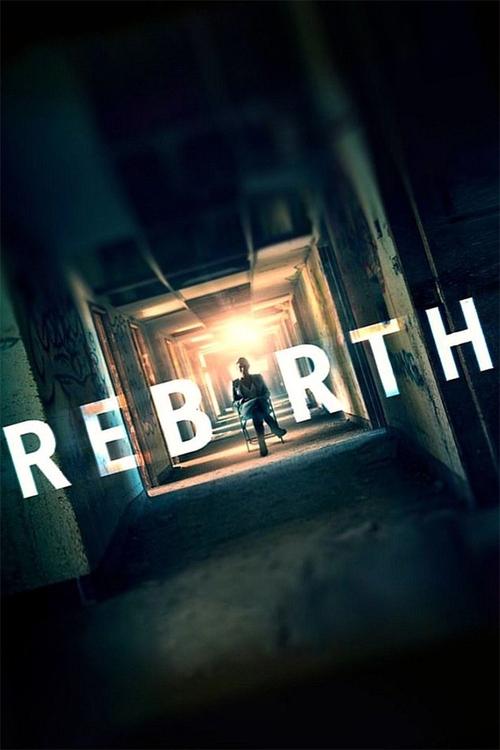
Kyle is a suburban father living in a tight, repetitive routine with his wife and child, trying to balance a corporate life with the low-grade dissatisfaction that quietly eats at him. At his office, that sameness shatters when his old college friend Zack suddenly appears, all manic confidence and easy charm, as if he has returned from some secret revelation and cannot wait to pass it on. Zack says he has just completed a self-actualization program called Rebirth, and he speaks about it with the zeal of a convert, promising Kyle that it can drag him out of his rut and show him a more meaningful life. Kyle is skeptical, but Zack pushes with the force of someone who already knows the outcome. He frames the weekend retreat not as a gamble but as an opportunity, a doorway out of numbness and into a new self, and Kyle, curious enough and worn down enough, agrees to go.
That decision is the first real point of no return. Zack leads Kyle away from ordinary life and into the orbit of Rebirth's carefully controlled world, where the rules of daily existence begin to peel away one by one. Kyle is told to surrender his keys, wallet, and phone, a simple-seeming gesture that instantly becomes symbolic and terrifying: he is handing over mobility, money, contact, and the practical proof of who he is. The retreat presents itself as a healing program, but the building itself feels like a sealed labyrinth, a place that is less a seminar center than a machine for disorientation. The exterior promise is transformation; the interior reality is confinement. Kyle enters expecting some eccentric weekend exercise and instead walks into a slow-moving trap.
The retreat building is drab and enclosed, a place of narrow hallways and shifting rooms that seem designed to keep participants off balance. Kyle is moved through different spaces where each exercise is tailored to pry loose a different part of his identity. Some rooms force emotional confession, others stage confrontations, and others lean into seduction, shame, and humiliation. The effect is cumulative rather than immediate. Nothing announces itself as dangerous at first, but every scene has the same underlying pressure: comply, reveal, surrender, and submit. The program's language is full of liberation and renewal, yet every action strips a little more autonomy from the men inside it. Kyle, who arrived thinking he was simply spending a weekend away from home, begins to realize that Rebirth is not guiding him toward truth. It is breaking him down.
As the weekend progresses, the film shifts into a haze of psychodrama and moral unease. The participants are manipulated through experiences that seem intimate but feel manufactured, with the organizers steering reactions, desires, and fears as if they are all part of a script no one can escape. Zack remains central to the operation, and his presence becomes increasingly disturbing because he is no longer just a friend who recommended a self-help retreat. He is a recruiter, a familiar face used to lure men into the system. His warmth now reads as strategy. His enthusiasm now looks like indoctrination. Every time he reassures Kyle, the reassurance only deepens the suspicion that Kyle has been brought here for a purpose that has nothing to do with self-improvement.
The major revelation is that Rebirth is not a wellness program at all but a coercive cult operation built on seduction, blackmail, and control. Beneath the language of healing lies a calculated criminal structure. Men are targeted, isolated, broken down, and then trapped by compromising material and financial manipulation. The retreat does not merely shame its participants; it weaponizes that shame. The organization gathers blackmail evidence and uses hacked bank accounts to cut off escape routes and make compliance easier than resistance. The promise that a participant is always free to leave is exposed as a lie, because the system has already embedded itself into his finances, his secrets, and his sense of self. The "rebirth" it offers is actually a form of captivity.
Kyle's horror grows as he recognizes that the retreat is built to exploit exactly the vulnerabilities it pretends to heal. His life outside had already left him dissatisfied and a little adrift, and Rebirth seizes on that emptiness with predatory precision. The film's tension comes from watching that realization dawn in stages. At first Kyle tries to understand the program on its own terms, assuming the weirdness is part of the process. Then the manipulation becomes too consistent to ignore. The exercises are not random; they are calibrated. The people around him are not improvising; they are steering. Finally the mask slips completely, and the retreat reveals itself as a closed system in which every room, every conversation, and every staged revelation exists to increase dependence and fear.
There is no sprawling body count driving the story, and the film's violence is more psychological than slasher-like. The danger lies in the threat of what the organization can do, not in a parade of graphic killings. The available plot information does not establish a large list of named deaths, and the story's most devastating damage comes from coercion, isolation, and the destruction of trust rather than from a sequence of confirmed fatalities. That absence makes the film feel even more claustrophobic. Rebirth is not about characters dying left and right; it is about a man being dismantled while still alive.
As Kyle continues deeper into the retreat, the confrontations become more direct and more frightening. He is pushed into situations that force him to face the mismatch between the life he thought he had and the life he actually inhabits. The retreat's managers and intermediaries keep him moving, keep him reacting, and keep him from finding steady footing long enough to think clearly. Zack's role grows darker with each scene, because every new development confirms that the encounter in Kyle's office was never a chance reunion. It was the beginning of a planned recruitment. Zack did not return by accident, and he did not simply want to help an old friend. He brought Kyle into the machine.
The film's emotional center is the slow collapse of trust. Kyle has to reckon not only with the retreat but with the fact that someone from his past has helped engineer his captivity. That betrayal matters because Zack is the human face of the entire operation. If the program were just a faceless institution, Kyle might be able to dismiss it more easily. But Zack turns the danger personal. He makes it intimate. The show of friendship at the office becomes retroactively monstrous, a smiling hand extending an invitation that is really a snare.
The retreat's final movements push Kyle toward a breaking point. The elaborate exercises and room-to-room disorientation start to collapse into a clearer understanding of the institution's real purpose. What looked like spiritual therapy is in fact a mechanism of possession. What looked like voluntary participation is enforced dependency. What looked like a path to freedom is a cage built from secrecy and shame. Kyle's struggle becomes both physical and moral: he must not only escape the building but also reclaim his ability to see the world without the cult's framing. The climax builds on the dread that the organization has already invaded his finances, his confidence, and his mind.
The final twist confirms how deeply Rebirth has been manipulating him. The film's ending reveals that the organization's reach extends beyond the retreat itself, and the story circles back toward the life Kyle thought he had left behind. The scheme is bigger than a single weekend, and its influence follows him out of the building. The sense of relief that might come from simply surviving the retreat is undercut by the realization that the system has already touched everything it needs to touch. The program's power lies not just in controlling the men inside the retreat but in the way it haunts them after they leave, making the damage portable. The last revelations make clear that the retreat's promises were never sincere. They were bait.
By the end, Kyle is forced to confront the full meaning of Rebirth: it is a predatory structure that uses the language of self-discovery to prey on discontented, vulnerable men. The elaborate façade finally drops away, leaving only the machinery of exploitation. The emotional climax lands in the recognition that freedom from the retreat is not the same as freedom from what it has done. Kyle's ordinary domestic life, which once seemed dull and constraining, now stands as the thing he is trying to return to and protect. The family he left behind becomes the anchor against the cult's manufactured chaos. The movie closes on the sense that he has escaped the immediate trap, but not the stain of what happened to him. Rebirth does not end with catharsis so much as warning: ordinary dissatisfaction can be weaponized, trust can be exploited, and a man looking for meaning can be led straight into a cage if the person offering the door is already inside the system.






What is the ending?
In the ending of "Rebirth," the protagonist, Kyle, confronts the consequences of his choices as he attempts to escape a cult-like group. He faces a harrowing situation that tests his resolve and ultimately leads to a violent confrontation. The film concludes with Kyle's desperate bid for freedom, leaving him changed and haunted by the experience.
As the climax of "Rebirth" unfolds, we find Kyle, a seemingly ordinary man, deeply entangled in a web of manipulation and psychological control orchestrated by a mysterious group led by a charismatic figure named Adam. The tension escalates as Kyle, who initially sought adventure and a break from his mundane life, realizes the true nature of the group he has unwittingly joined.
Scene by scene, the narrative builds to a fever pitch. Kyle, having been drawn into the group's activities, begins to witness the darker side of their practices. The atmosphere is thick with unease as he observes the members, who are increasingly devoted to Adam's teachings. The once-inviting environment now feels suffocating, and Kyle's internal conflict grows. He grapples with feelings of betrayal and confusion, especially as he recalls the life he left behind.
In a pivotal moment, Kyle attempts to leave the group, but his efforts are thwarted by Adam and his followers. The tension in the air is palpable as Kyle's desperation mounts. He confronts Adam, demanding answers and expressing his desire to escape. Adam, with a calm yet menacing demeanor, tries to manipulate Kyle's emotions, making him question his own sanity and the reality of his situation.
As the confrontation escalates, Kyle's fear transforms into a fierce determination to reclaim his life. He fights back against Adam and the cult members, leading to a chaotic and violent struggle. The scene is charged with raw emotion as Kyle battles not only for his physical freedom but also for his sense of self, which has been eroded by the group's influence.
In the climax, Kyle manages to break free from the group's grasp, but not without significant consequences. The aftermath of the confrontation leaves him physically and emotionally scarred. He escapes into the night, the weight of his experience heavy on his shoulders. The once vibrant colors of his life are now muted, reflecting the profound impact of his ordeal.
The film concludes with Kyle alone, grappling with the haunting memories of his time with the group. He is left to ponder the choices he made and the person he has become. The final scenes depict him walking away from the chaos, a man forever changed by the rebirth he sought, now aware of the darkness that can lurk beneath the surface of seemingly inviting experiences.
In the end, Kyle's fate is one of survival, but it is marred by the psychological scars of his experience. The film leaves viewers with a sense of unease, highlighting the fragility of identity and the dangers of blind trust in charismatic leaders. The journey of self-discovery that Kyle embarked upon has led him to a painful realization: that not all paths to rebirth are filled with light, and some can lead to darkness instead.
Is there a post-credit scene?
The movie "Rebirth" (2016) does not have a post-credit scene. The film concludes its narrative without any additional scenes or content after the credits roll. The story wraps up with the main character, Kyle, having undergone a significant transformation through his harrowing experiences, leaving the audience to reflect on the themes of identity and the consequences of choices made throughout the film.
What motivates Kyle to attend the retreat in the first place?
Kyle, played by Fran Kranz, is initially motivated by a desire to escape his mundane life and rekindle a sense of adventure and excitement. He feels trapped in his routine and is drawn to the idea of a transformative experience that promises personal growth and a break from his responsibilities.
How does Kyle's relationship with his wife change throughout the film?
Kyle's relationship with his wife, who is portrayed as supportive yet concerned, deteriorates as he becomes increasingly absorbed in the retreat's activities. His obsession with the new lifestyle and the people he meets leads to tension and conflict, highlighting his internal struggle between his old life and the allure of the new.
What role does the character of the retreat leader, Adam, play in Kyle's transformation?
Adam, played by Adam Goldberg, serves as a charismatic and manipulative figure who embodies the retreat's seductive allure. He encourages Kyle to embrace a more primal and liberated version of himself, pushing him to confront his fears and desires, which ultimately leads Kyle down a dark path of self-discovery and danger.
What are the key events that lead to Kyle's realization about the retreat?
Key events include Kyle's initial excitement and bonding with other participants, followed by unsettling experiences that reveal the retreat's darker side. As he witnesses increasingly bizarre and dangerous rituals, he begins to question the true nature of the retreat and the intentions of its leaders, culminating in a moment of clarity where he recognizes the manipulation at play.
How does the film depict the concept of identity and self-discovery through Kyle's journey?
The film explores identity and self-discovery through Kyle's experiences at the retreat, where he is encouraged to shed societal norms and embrace a more primal self. His journey is marked by moments of exhilaration and fear, as he grapples with the conflict between his true self and the persona he is being pushed to adopt, ultimately leading to a profound internal crisis.
Is this family friendly?
"Rebirth," produced in 2016, is not considered family-friendly due to its mature themes and content. Here are some potentially objectionable or upsetting aspects that may affect children or sensitive viewers:
-
Violence and Threats: The film contains scenes that depict physical confrontations and threats, which may be unsettling for younger audiences.
-
Cult Themes: The narrative revolves around a cult-like group, exploring themes of manipulation and psychological control, which can be disturbing.
-
Substance Use: There are instances of drug use and references to substance abuse that may be inappropriate for children.
-
Sexual Content: The film includes suggestive situations and adult themes that may not be suitable for younger viewers.
-
Emotional Distress: Characters experience significant emotional turmoil, including fear, anxiety, and existential crises, which could be distressing for sensitive individuals.
Overall, the film's exploration of dark and complex themes makes it more appropriate for mature audiences.









