













Popular
Should I watch it?
Ask Your Own Question

What is the plot?
Sorry, we aren't able to watch and write up a full detailed plot yet. Check back in a few days.









What is the ending?
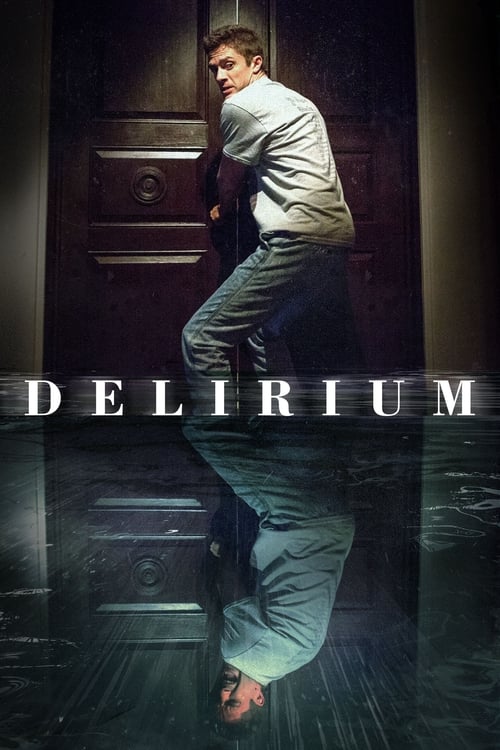
In the ending of "Delirium," the protagonist, Tom, confronts the truth about his past and the events that transpired in the house. As he grapples with his mental state, he faces a series of shocking revelations that lead to a tragic conclusion.
As the film progresses towards its climax, Tom, who has been released from a mental institution, returns to his family's estate, a sprawling mansion filled with memories and secrets. The atmosphere is thick with tension as he navigates the house, haunted by visions and the lingering presence of his deceased family members.
In the final scenes, Tom's mental state deteriorates further. He becomes increasingly paranoid, convinced that he is being watched and manipulated by unseen forces. The house itself seems to come alive with his fears, amplifying his sense of dread.
Tom's confrontation with his brother, who has been a source of tension throughout the film, culminates in a violent altercation. The emotional stakes are high as Tom struggles to differentiate between reality and his delusions. In a moment of clarity, he realizes that the true horror lies not in the supernatural but in the trauma of his past and the guilt he carries.
The climax reaches its peak when Tom discovers the truth about his family's tragic history, including the circumstances surrounding his brother's death. This revelation shatters his already fragile psyche, leading to a tragic and violent conclusion. In a fit of rage and despair, Tom takes drastic action, resulting in a devastating outcome for himself and those around him.
As the film closes, the audience is left with a haunting image of Tom, consumed by his own demons, as the house stands silent, a testament to the horrors that unfolded within its walls. The fate of Tom is sealed in tragedy, leaving a lingering sense of loss and the weight of unresolved trauma.
In summary, the ending of "Delirium" encapsulates the struggle of a man battling his inner demons, ultimately leading to a tragic confrontation with the ghosts of his past. The film leaves viewers with a poignant reminder of the impact of mental illness and the haunting nature of unresolved grief.
Is there a post-credit scene?
In the movie "Delirium" (2018), there is no post-credit scene. The film concludes without any additional scenes or content after the credits roll. The story wraps up with the main character, Tom, facing the consequences of his actions and the psychological turmoil he has experienced throughout the film. The ending leaves viewers with a sense of ambiguity regarding Tom's mental state and the reality he has been grappling with, but it does not extend into a post-credit sequence.
What events lead to the climax of the film?
The climax of Delirium is reached when Tom's grip on reality begins to unravel, triggered by a series of unsettling events in the house. As he experiences hallucinations and paranoia, he confronts the ghosts of his past, leading to a confrontation with the truth about his mental state and the events that led to his institutionalization. This culminates in a tense showdown that forces Tom to face his fears head-on.
How does the film portray the theme of isolation?
Isolation is portrayed through Tom's physical separation from the outside world in the house, as well as his emotional detachment from his family and friends. The film visually emphasizes this theme with dark, claustrophobic settings and moments of silence that amplify Tom's internal struggles. His isolation becomes a catalyst for his mental deterioration, illustrating how being cut off from support can exacerbate mental health issues.
What is the significance of the house in Delirium?
The house in Delirium serves as a central character in the story, representing both a physical and psychological space that reflects the protagonist's mental state. It is a large, isolated mansion that becomes a source of tension and fear as the main character, a man recently released from a mental institution, grapples with his past traumas and the haunting memories associated with the house.
How does the protagonist, Tom, cope with his mental illness throughout the film?
Tom, the protagonist, struggles with his mental illness by attempting to maintain a sense of normalcy after his release from the institution. He tries to reconnect with his estranged family and navigate his feelings of paranoia and fear. His coping mechanisms include isolating himself in the house, avoiding triggers, and confronting his past, which ultimately leads to a deeper understanding of his condition.
What role do the supporting characters play in Tom's journey?
The supporting characters, including Tom's family and friends, serve as mirrors to his internal struggles. They represent different aspects of his life and mental health, with some offering support and others exacerbating his fears. Their interactions with Tom reveal his vulnerabilities and highlight the challenges he faces in rebuilding relationships while dealing with his mental illness.
Is this family friendly?
"Delirium," produced in 2018, is not considered family-friendly due to its themes and content. The film contains several potentially objectionable or upsetting scenes, including:
-
Mental Health Themes: The story revolves around a character dealing with mental illness, which may be distressing for some viewers, particularly those with personal experiences related to mental health.
-
Violence: There are scenes that depict violence, including physical confrontations and threats, which could be unsettling for younger audiences.
-
Death and Trauma: The film explores themes of loss and trauma, including references to death that may be emotionally heavy for sensitive viewers.
-
Disturbing Imagery: There are moments of unsettling visuals that may evoke fear or anxiety, contributing to a tense atmosphere throughout the film.
-
Substance Abuse: The film touches on issues related to substance use, which may not be appropriate for children.
Overall, the film's intense psychological elements and mature themes make it more suitable for adult audiences.








