





















Popular
What is the significance of the matchmaking process in the story?
How does the character of the princess evolve throughout the film?
What role does the matchmaker play in the princess's life?
Who are the main suitors for the princess, and how do they differ from each other?
What internal conflicts does the princess face regarding her marriage?
Should I watch it?
Ask Your Own Question

What is the plot?
Sorry, we aren't able to watch and write up a full detailed plot yet. Check back in a few days.

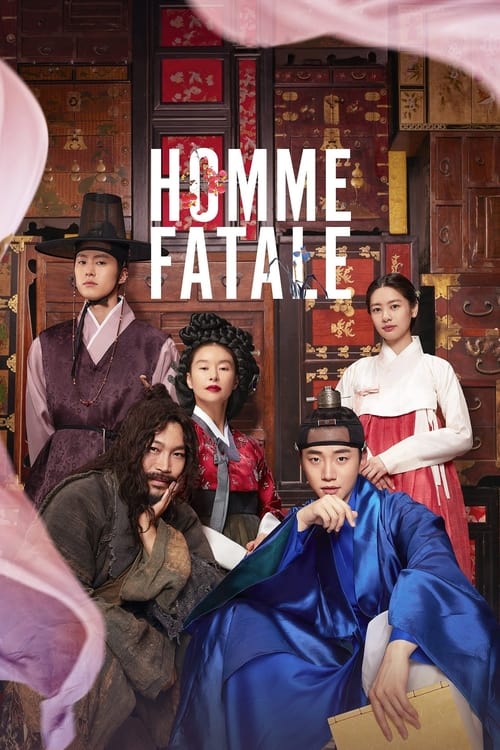

What is the ending?
In the ending of "The Princess and the Matchmaker," the princess, who has been struggling with the expectations of her royal duties and her own desires, ultimately chooses to follow her heart. She rejects the matchmaker's predetermined choices and decides to pursue a relationship with the man she truly loves, leading to a resolution that emphasizes personal happiness over societal expectations.
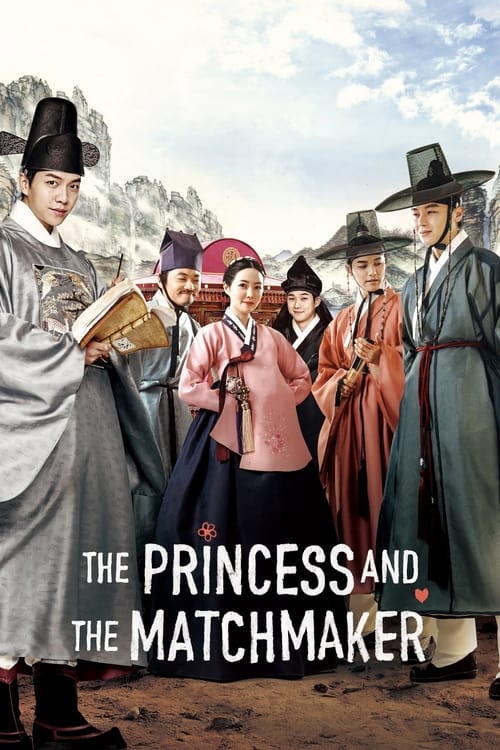
As the story unfolds towards its conclusion, we find ourselves in a beautifully adorned palace, where the princess, played by Shin Se-kyung, is grappling with the weight of her impending arranged marriage. The matchmaker, portrayed by Lee Seung-gi, has been diligently working to find a suitable match for her, but the princess feels trapped by the constraints of her royal life.
Scene by scene, the tension builds. The matchmaker, who has been a steadfast figure throughout the film, is torn between his duty to the royal family and his growing affection for the princess. He has witnessed her struggles and understands her desire for autonomy. As the matchmaker presents the final candidates for the princess's marriage, she feels increasingly suffocated by the choices laid before her.
In a pivotal moment, the princess confronts the matchmaker, expressing her frustration and longing for true love rather than a politically advantageous union. This confrontation is charged with emotion, as the princess reveals her vulnerability and the matchmaker realizes the depth of her feelings. The matchmaker, moved by her honesty, begins to question his own role in perpetuating the traditions that bind them both.
As the climax approaches, the princess makes a bold decision. She chooses to follow her heart, rejecting the suitors presented to her. This act of defiance is not just a personal victory; it symbolizes a break from the constraints of tradition and the pursuit of individual happiness. The matchmaker, witnessing her courage, supports her decision, understanding that true love cannot be dictated by societal expectations.
In the final scenes, the princess and the matchmaker share a moment of connection, acknowledging their feelings for one another. The atmosphere is charged with hope and possibility as they step into a future that is uncertain but filled with potential. The film concludes with the princess embracing her newfound freedom, ready to forge her own path alongside the matchmaker, who has become more than just a facilitator of her fate but a partner in her journey.
The fates of the main characters are intertwined in this resolution. The princess, having chosen love over obligation, steps into a role that allows her to be true to herself. The matchmaker, who has evolved from a mere facilitator to a romantic partner, finds fulfillment in supporting the princess's desires. Together, they represent a shift in the narrative, where love triumphs over tradition, and personal happiness is prioritized over societal expectations.
Is there a post-credit scene?
In "The Princess and the Matchmaker," there is no post-credit scene. The film concludes its narrative without any additional scenes after the credits roll. The story wraps up with the resolution of the main plot, focusing on the romantic developments and the characters' journeys, leaving the audience with a sense of closure regarding the princess's fate and her relationship with the matchmaker.
What is the significance of the matchmaking process in the story?
The matchmaking process is central to the plot, as it sets the stage for the princess's journey. It reflects the societal expectations of marriage during the Joseon era and highlights the tension between personal desires and familial obligations. The princess, who is initially resistant to the idea of an arranged marriage, becomes increasingly involved in the matchmaking process, leading to her personal growth and self-discovery.
How does the character of the princess evolve throughout the film?
The princess starts as a sheltered and somewhat naive young woman, bound by the expectations of her royal status. As she navigates the matchmaking process, she encounters various suitors and begins to understand her own desires and the complexities of love. Her interactions with the matchmaker and the suitors challenge her preconceived notions about marriage, ultimately leading her to assert her own agency and make choices that reflect her true self.
What role does the matchmaker play in the princess's life?
The matchmaker serves as a catalyst for the princess's transformation. Initially, the matchmaker is seen as a traditional figure who upholds societal norms, but as the story progresses, she becomes a mentor to the princess. The matchmaker's insights and experiences help the princess navigate her feelings and the pressures of her royal duties, ultimately guiding her towards a more authentic understanding of love and partnership.
Who are the main suitors for the princess, and how do they differ from each other?
The main suitors for the princess include a nobleman with a strong sense of duty, a charming and carefree man, and a serious, ambitious contender. Each suitor represents different aspects of love and marriage: the nobleman embodies tradition and responsibility, the carefree man symbolizes passion and spontaneity, while the ambitious contender reflects the pursuit of power and status. The princess's interactions with each suitor reveal her evolving preferences and desires, ultimately influencing her choice.
What internal conflicts does the princess face regarding her marriage?
The princess grapples with the conflict between her duty as a royal and her personal desires. She feels the weight of her family's expectations and the pressure to marry for political reasons, yet she yearns for a genuine connection and love. This internal struggle is heightened by her encounters with the suitors, as she must reconcile her feelings with the societal norms that dictate her future, leading to moments of doubt, frustration, and ultimately, empowerment.
Is this family friendly?
"The Princess and the Matchmaker" is generally considered family-friendly, but there are a few scenes and themes that might be potentially objectionable or upsetting for children or sensitive viewers.
-
Romantic Tension: The film features romantic elements that may include misunderstandings and emotional conflicts, which could be confusing for younger viewers.
-
Cultural Expectations: There are scenes that depict the pressure of societal and familial expectations regarding marriage, which may be heavy for some audiences.
-
Conflict and Rivalry: There are moments of rivalry and competition among suitors that could be intense, showcasing jealousy and emotional distress.
-
Mild Violence: Some scenes may include mild physical confrontations or threats that could be unsettling for sensitive viewers.
-
Emotional Struggles: Characters experience moments of sadness, disappointment, and frustration, which may resonate deeply with some viewers.
Overall, while the film is light-hearted and comedic in nature, these elements may require parental guidance for younger audiences.








