

















Popular
Who is the main antagonist that Diabolik faces in the film?
What motivates Diabolik to commit his heists throughout the film?
How does the relationship between Diabolik and Eva Kant develop in the film?
What is the significance of the heist involving the diamond in the story?
How does Diabolik's character reflect the themes of duality and identity in the film?
Should I watch it?
Ask Your Own Question

What is the plot?
Sorry, we aren't able to watch and write up a full detailed plot yet. Check back in a few days.
More Movies Like This
Browse All Movies →



What is the ending?
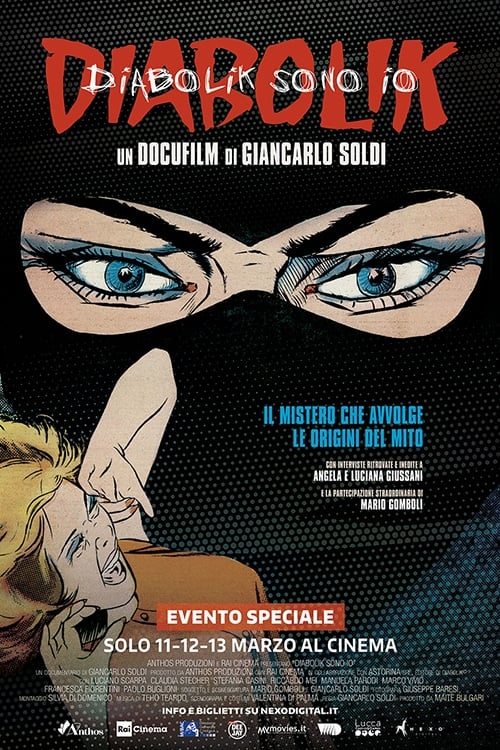
In the ending of "Diabolik sono io," the notorious thief Diabolik faces off against his nemesis, Inspector Ginko, while also navigating his complex relationship with Eva Kant. The climax unfolds with a tense confrontation, leading to a resolution that solidifies Diabolik's status as a master criminal, while also hinting at the emotional depth of his bond with Eva.
As the film reaches its conclusion, Diabolik and Eva are cornered by Ginko and his police force. In a dramatic escape, Diabolik showcases his cunning and resourcefulness, managing to evade capture. The film ends with Diabolik and Eva driving away together, symbolizing their unbreakable partnership and the thrill of their life on the run.
Now, let's delve into the ending in a more detailed, chronological narrative.
The final act begins with a palpable tension as Diabolik and Eva find themselves in a precarious situation. They are holed up in their lair, a sleek and modern hideout filled with gadgets and stolen treasures. The atmosphere is thick with anxiety; Diabolik, played with a cool demeanor, is calculating his next move while Eva, portrayed with a mix of strength and vulnerability, expresses her concerns about their future. She fears that their life of crime may ultimately lead to their downfall.
As the police, led by the relentless Inspector Ginko, close in on their location, the couple shares a moment of intimacy. Diabolik reassures Eva, his voice steady but his eyes betraying a flicker of uncertainty. He knows the stakes are high, and the weight of their choices hangs heavily in the air. This scene highlights their deep emotional connection, as they are not just partners in crime but also in life.
Suddenly, the tranquility is shattered by the sound of sirens and the heavy footsteps of the police. Ginko, determined to finally capture the elusive Diabolik, leads his team with a fierce resolve. The tension escalates as Diabolik and Eva prepare for a daring escape. They quickly gather their belongings, and Diabolik activates a series of elaborate security measures to buy them time.
In a thrilling sequence, Diabolik uses his array of gadgets to outsmart the police. He sets off smoke bombs and traps, creating chaos that allows them to slip away unnoticed. The camera captures the frantic energy of the chase, with close-ups of Diabolik's focused expression and Eva's determined gaze as they navigate through the labyrinth of their hideout.
As they make their way to their getaway vehicle, the stakes rise even higher. Ginko, relentless in his pursuit, confronts them just as they reach the car. A tense standoff ensues, with Ginko demanding Diabolik surrender. Diabolik, however, remains unyielding, his confidence unwavering. He delivers a sharp retort, showcasing his bravado and defiance against authority.
In a final act of desperation, Diabolik executes a daring maneuver, using a hidden mechanism in the car to create a diversion. The vehicle speeds away, leaving Ginko and his team in a cloud of smoke and confusion. The exhilaration of the escape is palpable, and the audience feels the rush of adrenaline alongside the characters.
The film concludes with Diabolik and Eva driving into the night, the city lights twinkling in the background. They share a moment of relief and triumph, their bond stronger than ever. As they speed away, the camera captures their silhouettes against the backdrop of the city, symbolizing their life of freedom and rebellion. The final shot lingers on their faces, filled with a mix of exhilaration and uncertainty about what lies ahead.
In the end, Diabolik remains a master criminal, evading capture once again, while Eva stands by his side, embodying loyalty and strength. Inspector Ginko, though frustrated, is left with the knowledge that the chase continues, setting the stage for future encounters. The film closes on a note of unresolved tension, leaving the audience to ponder the complexities of love, crime, and the pursuit of freedom.
Is there a post-credit scene?
In the movie "Diabolik sono io," there is indeed a post-credit scene that adds an intriguing layer to the story. After the credits roll, the scene opens in a dimly lit room filled with shadows, where a figure is seen meticulously examining a series of blueprints and plans. The camera slowly zooms in, revealing the iconic silhouette of Diabolik, the master thief himself, as he studies his next heist.
As he flips through the documents, a voiceover begins, hinting at a new target that promises to be even more challenging than before. The tension builds as Diabolik's expression shifts from focused determination to a sly grin, showcasing his thrill for the chase and the danger that lies ahead. The scene captures his internal motivation--his insatiable desire for adventure and the adrenaline rush that comes with outsmarting his adversaries.
The final shot lingers on Diabolik as he puts on his signature mask, the screen fading to black just as he steps into the shadows, leaving the audience with a sense of anticipation for his next escapade. This post-credit scene not only reinforces Diabolik's character as a cunning and charismatic anti-hero but also teases potential future stories, inviting viewers to imagine what lies ahead in his world of crime and intrigue.
Who is the main antagonist that Diabolik faces in the film?
The main antagonist that Diabolik faces in the film is Inspector Ginko, a determined and clever police officer who is relentless in his pursuit of Diabolik, trying to outsmart him at every turn.
What motivates Diabolik to commit his heists throughout the film?
Diabolik is motivated by a combination of thrill-seeking, a desire for wealth, and a deep-seated need to prove his superiority over the law, particularly over Inspector Ginko.
How does the relationship between Diabolik and Eva Kant develop in the film?
The relationship between Diabolik and Eva Kant develops as they share a passionate romance, with Eva being both his accomplice and confidante, showcasing a deep emotional bond that complicates their criminal endeavors.
What is the significance of the heist involving the diamond in the story?
The heist involving the diamond is significant as it serves as a catalyst for the main conflict, showcasing Diabolik's skills and cunning, while also drawing the attention of Inspector Ginko, escalating the cat-and-mouse game between them.
How does Diabolik's character reflect the themes of duality and identity in the film?
Diabolik's character reflects themes of duality and identity through his ability to disguise himself and manipulate situations, revealing his complex nature as both a criminal mastermind and a man with a personal code, often questioning his own identity in relation to society.
Is this family friendly?
"Diabolik sono io," produced in 2019, is a film that features themes and elements that may not be suitable for younger audiences or sensitive viewers. Here are some potentially objectionable or upsetting aspects:
-
Violence: The film includes scenes of criminal activity, heists, and confrontations that may depict violence or threats, which could be unsettling for children.
-
Mature Themes: The narrative revolves around a master thief and includes elements of betrayal, deception, and moral ambiguity, which may be complex for younger viewers to understand.
-
Romantic Elements: There are romantic relationships that may include suggestive content or adult themes, which might not be appropriate for all audiences.
-
Dark Atmosphere: The overall tone of the film can be quite dark and intense, with a focus on crime and the anti-hero's lifestyle, which may evoke feelings of tension or unease.
-
Character Morality: The protagonist, Diabolik, operates outside the law, and his actions may raise ethical questions that could be confusing or troubling for younger viewers.
These elements contribute to a film that is likely more suitable for older teens and adults rather than a family-friendly viewing experience.









