






Popular
What is the significance of the creature in After Midnight?
How does the relationship between Hank and Abby evolve throughout the film?
What role does the setting play in the story of After Midnight?
How does Hank cope with Abby's disappearance?
What is the significance of the recurring nightmares Hank experiences?
Should I watch it?
Ask Your Own Question

What is the plot?
Sorry, we aren't able to watch and write up a full detailed plot yet. Check back in a few days.




What is the ending?
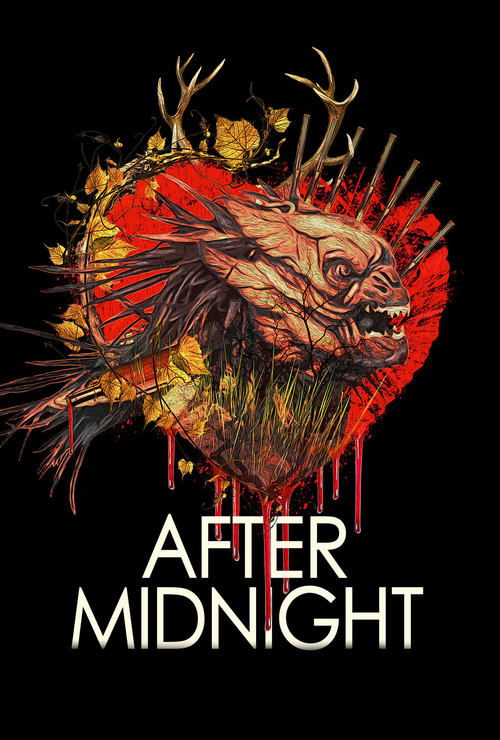
In the ending of "After Midnight," Hank confronts the creature that has been terrorizing him and ultimately faces his fears. He finds closure regarding his relationship with Abby, who has left him. The film concludes with Hank coming to terms with his emotions and the reality of his situation.
As the final act unfolds, the tension escalates in Hank's secluded home. The night is thick with dread as he prepares for the creature's return. Hank, having spent the previous nights in a state of anxiety and fear, is now determined to confront whatever is haunting him. He gathers his courage, armed with a shotgun, and waits in the dark, the silence amplifying his internal turmoil.
The scene shifts to Hank's memories of Abby, his ex-girlfriend, who has left him earlier in the film. Flashbacks reveal their relationship's warmth and the love they shared, juxtaposed against the current isolation Hank feels. This emotional backdrop deepens the stakes of his confrontation with the creature, symbolizing his struggle with loss and fear of abandonment.
As the night deepens, the creature finally makes its presence known. It is a grotesque, shadowy figure that embodies Hank's fears and insecurities. The encounter is visceral and chaotic, with Hank firing his shotgun in desperation. The creature's movements are erratic, and the atmosphere is thick with tension as Hank grapples with both the physical threat and his emotional demons.
In a climactic moment, Hank realizes that the creature is not just a monster but a manifestation of his unresolved feelings about Abby and his own vulnerabilities. This revelation allows him to shift from a place of fear to one of acceptance. He lowers his weapon, confronting the creature not with aggression but with understanding. This pivotal moment signifies Hank's growth; he acknowledges his pain and the reality of his situation.
The creature, sensing Hank's change, begins to dissolve, symbolizing the release of his fears. As dawn breaks, the first light of morning washes over the scene, illuminating Hank's face, which reflects a mixture of relief and sorrow. He has faced his fears and emerged transformed, albeit still grappling with the loss of Abby.
In the final moments, Hank is left alone in the quiet of his home, the remnants of the night's terror fading away. He stands in the light, a stark contrast to the darkness that had consumed him. The film closes on Hank, a man who has confronted his inner demons, suggesting a path toward healing and acceptance, even as he faces the reality of his solitude. The fate of Hank is one of resilience; he is left to navigate his life with a newfound understanding of his fears and the complexities of love and loss. Abby's fate remains ambiguous, but her absence is a poignant reminder of the emotional journey Hank has undertaken.
Is there a post-credit scene?
In the movie "After Midnight," there is no post-credit scene. The film concludes its narrative without any additional scenes or content after the credits roll. The story wraps up with the emotional and psychological journey of the main characters, Hank and Abby, leaving the audience to reflect on the themes of love, loss, and the unknown. The absence of a post-credit scene emphasizes the film's focus on its central narrative rather than extending the story further.
What is the significance of the creature in After Midnight?
The creature in After Midnight serves as a manifestation of the protagonist's fears and emotional turmoil. It represents the unresolved issues in his relationship with his girlfriend, Abby, and symbolizes the internal struggle he faces as he grapples with loss and vulnerability.
How does the relationship between Hank and Abby evolve throughout the film?
Hank and Abby's relationship is central to the narrative. Initially, they share a deep bond, but as the story unfolds, Abby's sudden disappearance forces Hank to confront his insecurities and fears. Their relationship is tested by Hank's emotional state and the looming threat of the creature, ultimately leading to a deeper understanding of love and loss.
What role does the setting play in the story of After Midnight?
The setting, primarily Hank's isolated farmhouse, creates an atmosphere of tension and claustrophobia. The dark, rural landscape enhances the horror elements, while the intimate space of the home reflects Hank's internal struggles. The contrast between the safety of the home and the danger outside amplifies the emotional stakes of the narrative.
How does Hank cope with Abby's disappearance?
Hank copes with Abby's disappearance through a mix of denial, anger, and despair. He isolates himself, grappling with his emotions while facing the creature that haunts him at night. His coping mechanisms reveal his vulnerability and the depth of his love for Abby, as he oscillates between hope for her return and the fear of losing her forever.
What is the significance of the recurring nightmares Hank experiences?
Hank's recurring nightmares serve as a reflection of his subconscious fears and unresolved feelings about his relationship with Abby. These dreams intensify as the creature becomes more prominent, illustrating his internal conflict and the psychological toll of his situation. They highlight the themes of anxiety and the struggle to confront one's deepest fears.
Is this family friendly?
"After Midnight" (2019) is not considered family-friendly due to its mature themes and content. Here are some potentially objectionable or upsetting aspects that may occur for children or sensitive viewers:
-
Violence and Gore: The film includes scenes of violence that may be graphic and unsettling, featuring blood and injury.
-
Horror Elements: There are intense horror sequences that create a sense of dread and fear, which may be frightening for younger audiences.
-
Adult Themes: The narrative explores complex adult relationships, including themes of love, loss, and emotional turmoil, which may be difficult for children to understand.
-
Language: The dialogue contains strong language that may not be appropriate for younger viewers.
-
Emotional Distress: Characters experience significant emotional pain and conflict, which could be upsetting for sensitive individuals.
Overall, the film's combination of horror, violence, and adult themes makes it unsuitable for children and potentially distressing for sensitive viewers.









