


































Popular
Who are the main comedians featured in the Feeding America Comedy Festival?
What specific charity does the Feeding America Comedy Festival support?
How do the comedians address the theme of hunger in their performances?
What emotional moments are highlighted during the festival?
Are there any notable guest appearances or surprises during the festival?
Should I watch it?
Ask Your Own Question

What is the plot?
Feeding America Comedy Festival is not a fictional movie with a single plotline, but a live-streamed charity comedy special built from short remote bits, so there is no true "story" in the usual sense, no central cast of characters, and no deaths or on-screen casualties to report. The closest thing to a linear narrative is the event's own structure: Byron Allen assembles an all-star lineup during the COVID-19 pandemic, the comedians perform from home in scattered mini-segments, and the broadcast ends as a fundraising appeal for Feeding America.
The special opens in the middle of the pandemic, with the entire premise rooted in urgency: food insecurity is rising, live audiences are impossible, and the comedians are appearing remotely to raise money for America's largest hunger-relief organization. The event is promoted for May 9, 2020, from 8:00–11:00 p.m. EDT on some listings and as a Sunday, May 10 broadcast from 7:00–9:00 p.m. ET/PT on NBC and related platforms, reflecting the way the special is scheduled differently across outlets. That split in airtime matters because it underscores the special's hybrid nature: part network television event, part streaming fundraiser, part quarantine-era comedy experiment.
Byron Allen is the organizing force behind everything, and in his interviews he describes the show as a rapid mobilization of comedians he calls himself. He says he reaches out to Kevin Hart, Tiffany Haddish, Billy Crystal, Adam Sandler, Chris Rock, Eddie Murphy, and many others, and the response is immediate: "they said yes" and "let's do something." In Allen's telling, the whole thing comes together in about three hours, which gives the special a sense of frantic, last-minute momentum even before the first joke lands. Rather than a polished studio production with a scripted arc, the broadcast feels like a crisis response dressed up as entertainment: comedians agree to film "in your home in your backyard in your kitchen whatever you want to do," and the special becomes a patchwork of isolated performances stitched into one relief event.
The atmosphere is less a gala than a communal check-in. The performers are not sharing a stage; they are appearing from homes, kitchens, and backyards, each one framed by the objects and mess of quarantine life. That visual isolation becomes part of the comedy. The special's emotional core is the tension between the seriousness of the pandemic and the absurdity of trying to make people laugh through screens at a time when almost everything familiar has been suspended. The show keeps insisting on that contradiction: it is entertainment, but it is also a practical appeal to help families who cannot afford to wait for normal life to resume.
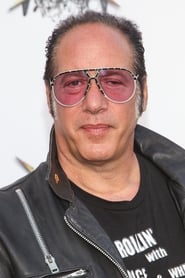
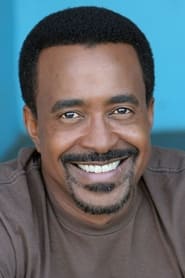
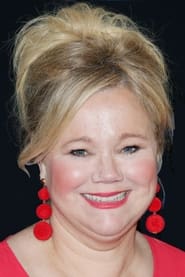
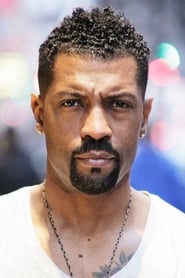
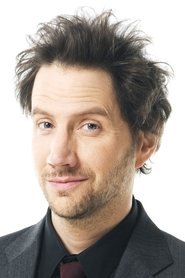
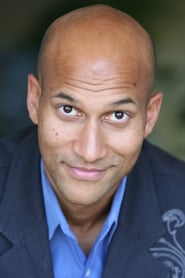
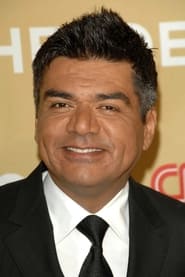
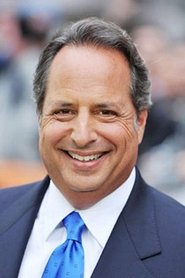
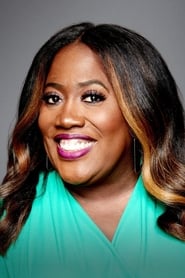
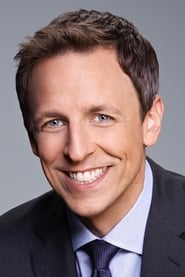
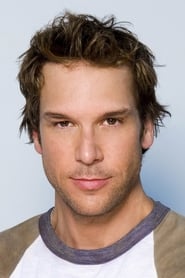
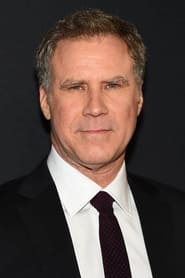
Because the special is an anthology rather than a single narrative, the "plot" is really a sequence of comic arrivals. One performer after another turns up in miniature, each doing only one to five minutes, as Allen explains. The cast list is enormous and includes Byron Allen, Louie Anderson, Judd Apatow, Jack Black, Wayne Brady, Adam Carolla, Cedric the Entertainer, Margaret Cho, Andrew Dice Clay, Deon Cole, Billy Crystal, Whitney Cummings, Tommy Davidson, Bill Engvall, Mike Epps, Billy Gardell, Brad Garrett, Whoopi Goldberg, Tiffany Haddish, Kevin Hart, Taraji P. Henson, Kevin James, Jim Jefferies, Jamie Kennedy, Keegan-Michael Key, George Lopez, Jon Lovitz, Howie Mandel, Sebastian Maniscalco, Marc Maron, Tim Meadows, Eddie Murphy, Caroline Rhea, Chris Rock, Adam Sandler, Sarah Silverman, JB Smoove, Kenan Thompson, Sheryl Underwood, and Marlon Wayans, among others. The broadcast uses that star power as its dramatic engine: each new name entering the lineup functions like a fresh beat in the overall rhythm of the special.
Among the recurring bits, the most clearly described in available listings is "Tommy Takes a Walk," centered on Tommy Davidson. The premise is simple but captures the mood of the era: Tommy is exhausted by lockdown restrictions and decides to go for a walk to a friend's place. The comedy comes from the mundane threat of pandemic etiquette becoming overcomplicated and ridiculous. The friend warns him, "Make Sure You Have on A Mask," and the joke lands because Tommy's supposed protective gear is not really an N95 respirator at all, but something closer to a Halloween mask. That image--an adult trying to navigate a deadly public-health crisis with a costume prop--turns the skit into a tiny portrait of confused pandemic improvisation. The scene carries a low-key tension: Tommy wants to leave, the friend wants safety, and the mask itself becomes the punchline that resolves the tension by exposing how unprepared and absurd everyone feels.
That mask joke also reveals how the special uses its scattered segments to build shared cultural recognition rather than traditional narrative suspense. There are no murders, no betrayals, and no hidden villains; the conflict is the mundane friction of pandemic life. The danger is real outside the frame, in the world the show is responding to, but the special itself keeps turning that danger into jokes, one short piece at a time. In this way, every remote bit functions like a pressure valve. The comedians, isolated in their own spaces, try to relieve the stress of the moment while reminding viewers that the crisis is not abstract--it is affecting food access, employment, and daily routines.
As the broadcast continues, the special leans on the contrast between celebrity familiarity and domestic confinement. Byron Allen talks about Tiffany Haddish doing cooking material, Kenan Thompson appearing at home with his wife and kids, and Billy Crystal being "outrageous," all of which suggests that the event derives much of its humor from seeing major stars reduced to ordinary environments and ordinary household context. That domestic framing is a kind of narrative thread in itself: each performer's home becomes a small stage, and each segment adds another fragment to the collective portrait of life under lockdown. The special does not build toward a fictional climax so much as toward a shared sense of participation, as if each comic appearance is another hand reaching out across the isolation of quarantine.
The tension of the event comes from timing as much as content. Allen repeatedly frames the special as urgent and immediate, scheduled for Mother's Day weekend and positioned as a donation-driven response to hunger during the pandemic. He emphasizes that people can watch on NBC, the Weather Channel, Comedy.TV, or the Local Now app, depending on the listing, which reinforces the idea that the broadcast is designed to be widely accessible rather than event-exclusive. The distribution itself becomes part of the story: this is a show meant to reach viewers wherever they are, just as the comedians are physically wherever they happen to be.
The emotional peak of the special is not a confrontation between characters but the cumulative effect of the lineup and the cause. When Byron Allen says he wants to "raise a lot of money for feeding America and have a lot of laughs and a lot of fun while doing it," he defines the ending before it happens: the laughs are the mechanism, and the fundraising is the destination. The broadcast keeps circling back to the need for donations, with references to the Feeding America website and the invitation to contribute even if viewers cannot give much. That appeal gives the special its resolution. Instead of a plot twist or final reveal, the closing movement is a practical one: comedy has served its purpose if it turns attention into aid and attention into relief.
So the special ends not with a dramatic finale but with the release of its own mission. There are no deaths to mourn, no killer to unmask, and no survivors to account for because the event is not built that way. Its final state is a successful charity broadcast: a lineup of comedians who have each appeared in their own small domestic pockets, a pandemic audience watching from home, and a direct call to support Feeding America during a national emergency. The last impression is of a collective effort that converts isolation into performance and performance into help, with the entire special functioning as one long, upbeat act of emergency solidarity.









What is the ending?
In the ending of "Feeding America Comedy Festival," the festival culminates in a grand finale where the comedians come together to share their experiences and the impact of their performances. The event raises significant funds for food banks across the country, highlighting the importance of community support. Each comedian reflects on their journey, and the audience is left with a sense of hope and unity.
As the festival draws to a close, the scene shifts to the backstage area where the comedians gather for a final moment of camaraderie. They share laughs and stories, reinforcing the bonds formed during the event. The camera pans over the audience, capturing their joy and appreciation for the performances, emphasizing the festival's success in raising awareness about hunger in America.
Now, let's delve into the ending in a more detailed narrative fashion:
The final act of the "Feeding America Comedy Festival" begins with a vibrant atmosphere in the packed auditorium. The stage is adorned with colorful lights, and the audience buzzes with excitement, eagerly awaiting the last set of performances. The host, a charismatic comedian, steps up to the microphone, his energy infectious. He thanks everyone for their contributions and emphasizes the importance of the cause they are supporting--fighting hunger in America.
As the host introduces the final lineup of comedians, the camera captures the faces of the performers, each displaying a mix of nervousness and determination. They know that this moment is not just about making people laugh; it's about making a difference. The first comedian takes the stage, delivering a heartfelt set that blends humor with poignant observations about food insecurity. The audience responds with laughter, but there are also moments of silence as they absorb the weight of the message.
Following this, each comedian shares their unique perspective, weaving personal stories into their routines. One comedian recounts growing up in a food-insecure household, using humor to navigate the challenges faced. Another shares a story about volunteering at a local food bank, illustrating the impact of community support. The emotional resonance of their performances deepens as they connect with the audience, who are visibly moved.
As the final act concludes, the host returns to the stage, visibly emotional. He invites all the comedians back for a group bow, and the audience erupts in applause. The camera captures the camaraderie among the performers, showcasing their shared mission and the friendships forged throughout the festival. They exchange hugs and high-fives, a testament to the unity they've built.
In the closing moments, the host reveals the total amount raised for food banks across the country, and the audience cheers in celebration. The screen fades to a montage of the comedians interacting with community members, volunteering, and distributing food, reinforcing the festival's impact beyond just entertainment.
As the credits roll, viewers see snippets of the comedians reflecting on their experiences. One expresses gratitude for the opportunity to use their platform for good, while another emphasizes the importance of laughter in difficult times. The final shot lingers on the smiling faces of families receiving food assistance, a powerful reminder of the festival's purpose.
In summary, the ending of "Feeding America Comedy Festival" encapsulates the joy of community, the power of laughter, and the critical need to address hunger in America, leaving the audience with a sense of hope and a call to action. Each comedian leaves the festival with a renewed sense of purpose, having contributed to a cause greater than themselves, and the audience is inspired to continue supporting their local communities.
Is there a post-credit scene?
"Feeding America Comedy Festival," produced in 2020, does not feature a post-credit scene. The film focuses on a series of comedic performances by various stand-up comedians, all aimed at raising awareness and funds for food insecurity in America. The festival showcases heartfelt moments and laughter, but it concludes without any additional scenes or content after the credits roll. The emphasis remains on the performances and the cause they support, leaving the audience with a sense of community and purpose rather than a cliffhanger or additional narrative twist.
Who are the main comedians featured in the Feeding America Comedy Festival?
The Feeding America Comedy Festival features a lineup of prominent comedians including Kevin Hart, Tiffany Haddish, and Jim Gaffigan, each bringing their unique style and humor to the stage.
What specific charity does the Feeding America Comedy Festival support?
The festival specifically supports Feeding America, a nationwide network of food banks that aims to combat hunger and food insecurity across the United States.
How do the comedians address the theme of hunger in their performances?
The comedians incorporate the theme of hunger into their routines through personal anecdotes, humorous observations about food, and light-hearted commentary on societal issues related to food insecurity.
What emotional moments are highlighted during the festival?
Emotional moments during the festival include heartfelt stories shared by comedians about their own experiences with food insecurity, as well as testimonials from individuals who have benefited from Feeding America's services.
Are there any notable guest appearances or surprises during the festival?
Yes, the festival features surprise guest appearances from various celebrities who join the comedians on stage, adding an element of excitement and spontaneity to the event.
Is this family friendly?
"Feeding America Comedy Festival," produced in 2020, is designed to be a family-friendly event, showcasing a variety of comedic performances aimed at entertaining a broad audience. However, as with many comedy shows, there may be moments that could be considered objectionable or upsetting for children or sensitive viewers.
-
Mature Themes: Some comedians may touch on topics related to social issues, poverty, or personal struggles that could be heavy or difficult for younger audiences to fully grasp.
-
Language: While the festival aims for a family-friendly atmosphere, there may be instances of mild profanity or suggestive language that could be inappropriate for children.
-
Humor Style: The comedic style varies among performers, and some may employ dark humor or satire that might not resonate well with all viewers, particularly younger ones.
-
Emotional Content: Certain segments may evoke strong emotions, discussing serious topics like hunger and homelessness, which could be upsetting for sensitive viewers.
Overall, while the festival is intended for a family audience, parental discretion is advised to ensure that the content aligns with individual family values and sensitivities.