







Popular
What motivates the main character, a young soccer player, to pursue his dreams despite the challenges he faces?
How does the relationship between Diego and his father evolve throughout the film?
What role does the rival character play in Diego's journey?
How does the community react to Diego's pursuit of soccer, and what impact does this have on him?
What significant event occurs during the championship match that changes the course of the story?
Should I watch it?
Ask Your Own Question

What is the plot?
Sorry, we aren't able to watch and write up a full detailed plot yet. Check back in a few days.
More Movies Like This
Browse All Movies →





What is the ending?
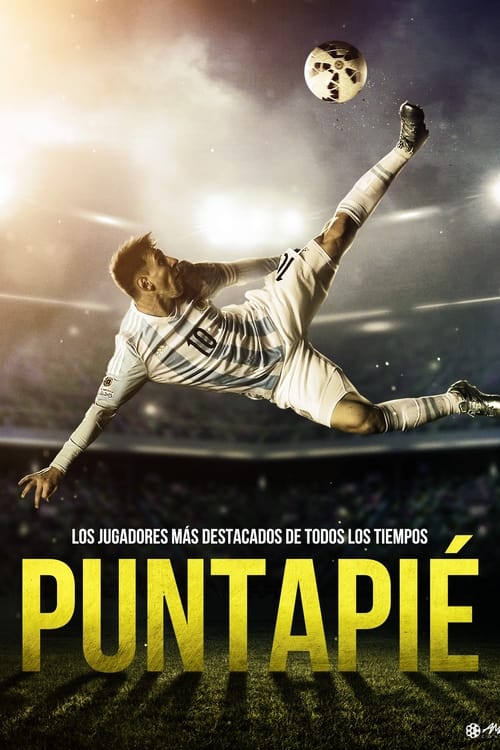
In the ending of "Puntapié," the main character, a young boy named Tato, faces a crucial moment during a pivotal soccer match. As tensions rise, he must confront his fears and insecurities. Ultimately, Tato scores the winning goal, leading his team to victory. The film concludes with a sense of triumph and personal growth for Tato, as he learns the importance of teamwork and believing in himself.
As the final act unfolds, the scene opens on a sun-drenched soccer field, where the atmosphere is electric with anticipation. The crowd is a mix of excited parents, friends, and local supporters, all gathered to witness the championship match. Tato, the young protagonist, stands nervously at the edge of the field, his heart racing as he watches his teammates huddle together, strategizing for the final moments of the game. The stakes are high, and the pressure weighs heavily on him.
The match is intense, with both teams displaying remarkable skill and determination. Tato's team is trailing by one goal, and time is running out. As the clock ticks down, Tato's internal struggle becomes palpable. He recalls the moments of doubt he faced throughout the film--his struggles with self-esteem, the harsh words of his critics, and the encouragement from his friends and family. Each memory fuels his desire to prove himself, not just to others, but to himself.
In a pivotal moment, Tato's teammate is injured, and the coach looks to him, signaling that he must step up. Tato hesitates, fear creeping in, but he takes a deep breath, remembering the support of his friends and the lessons he has learned about perseverance. He jogs onto the field, determination etched on his face.
As the game resumes, Tato finds himself in the right place at the right time. The ball is passed to him, and for a brief moment, everything slows down. He can hear the cheers of the crowd, the shouts of his teammates, and the pounding of his own heart. With a surge of confidence, he takes a shot at the goal. The ball sails through the air, and in a breathtaking moment, it hits the back of the net. The crowd erupts in cheers, and Tato's teammates rush to embrace him, lifting him into the air in celebration.
The camera captures Tato's face, a mix of disbelief and joy. He has not only scored the winning goal but has also conquered his fears. The scene shifts to the sidelines, where his family watches with pride, tears of joy streaming down their faces. Tato's mother, who has been a constant source of support, smiles broadly, knowing that her son has finally found his place and confidence.
As the celebrations continue, the film transitions to a quieter moment. Tato stands alone for a moment, absorbing the victory. He reflects on his journey, the friendships he has forged, and the lessons he has learned about teamwork and self-belief. The camera pans out, showing the vibrant field filled with jubilant players and supporters, symbolizing the community that has rallied around him.
In the final scenes, we see Tato walking home, the sun setting behind him. He carries his soccer ball, a symbol of his growth and newfound confidence. The film closes with a shot of Tato smiling, a young boy who has transformed through the power of sport and friendship, ready to face whatever challenges lie ahead. The fate of Tato is one of triumph and personal growth, while his teammates celebrate their victory, united in their shared experience. The film ends on a hopeful note, emphasizing the importance of believing in oneself and the strength found in community and support.
Is there a post-credit scene?
In the movie "Puntapié," there is indeed a post-credit scene that adds an intriguing layer to the story. After the credits roll, the screen fades back in to reveal a dimly lit soccer field, where a group of young players is practicing under the watchful eye of their coach. The atmosphere is filled with the sounds of laughter and the thud of soccer balls being kicked.
As the camera pans across the field, it focuses on a young boy who is struggling to keep up with the others. He looks determined but frustrated, his brow furrowed in concentration. The coach, noticing his struggle, approaches him with a warm smile and offers some encouraging words. The boy's face lights up with hope, and he nods, ready to give it another try.
Suddenly, the scene shifts to a nearby bench where the main character, who has been through a transformative journey throughout the film, sits watching the practice. His expression is a mix of nostalgia and pride as he reflects on his own experiences. He sees the potential in the young boy and feels a sense of responsibility to guide the next generation.
The scene closes with the main character standing up, a newfound determination in his eyes. He walks over to the field, ready to share his knowledge and passion for the game. The screen fades to black, leaving the audience with a sense of hope and continuity, suggesting that the spirit of soccer and mentorship will carry on. This post-credit scene encapsulates the film's themes of growth, community, and the impact of one generation on the next.
What motivates the main character, a young soccer player, to pursue his dreams despite the challenges he faces?
The main character, a young soccer player named Diego, is driven by his passion for the game and the desire to prove himself to his father, who has always been skeptical of his ambitions. Diego's internal struggle is heightened by the pressure of his family's financial situation, which adds a layer of urgency to his quest for success.
How does the relationship between Diego and his father evolve throughout the film?
Initially, Diego's father is dismissive of his soccer aspirations, believing they are a waste of time. However, as Diego faces various obstacles and shows resilience, his father begins to recognize his son's dedication. This evolution is marked by key moments, such as when the father attends one of Diego's matches, leading to a heartfelt reconciliation and newfound support.
What role does the rival character play in Diego's journey?
Diego's rival, a talented player named Marco, serves as both an antagonist and a catalyst for Diego's growth. Their competitive encounters push Diego to improve his skills and confront his insecurities. Marco's arrogance and success initially intimidate Diego, but ultimately, their rivalry transforms into mutual respect as they both strive for excellence.
How does the community react to Diego's pursuit of soccer, and what impact does this have on him?
The community is divided in its support for Diego; some see his talent and encourage him, while others doubt his abilities and mock his dreams. This mixed reaction fuels Diego's determination to succeed, as he seeks to prove the naysayers wrong. The emotional weight of community expectations adds pressure but also motivates him to rise above the negativity.
What significant event occurs during the championship match that changes the course of the story?
During the championship match, Diego suffers a serious injury that threatens to end his soccer career. This pivotal moment forces him to confront his fears and reassess his priorities. The injury not only tests his physical limits but also challenges his mental resilience, leading to a deeper understanding of what soccer means to him beyond just winning.
Is this family friendly?
"Puntapié," produced in 2020, is a film that explores themes of family, resilience, and the struggles of youth in a challenging environment. While it has a heartwarming core, there are several elements that may be considered objectionable or upsetting for children or sensitive viewers.
-
Emotional Turmoil: The film delves into the emotional struggles of the characters, including feelings of abandonment, loss, and the pressure to succeed, which may be intense for younger audiences.
-
Conflict and Tension: There are scenes depicting conflicts between characters, including arguments and confrontations that may be distressing.
-
Socioeconomic Struggles: The portrayal of poverty and its impact on families can be heavy and may evoke feelings of sadness or discomfort.
-
Physical Strain: The film includes scenes of physical exertion and challenges faced by the characters, which may be intense and could be upsetting for some viewers.
-
Themes of Bullying: There are instances of bullying and peer pressure that may resonate negatively with sensitive viewers, highlighting the harsh realities of youth interactions.
Overall, while "Puntapié" carries a message of hope and perseverance, its exploration of serious themes may require parental guidance for younger audiences.









