









Popular
Should I watch it?
Ask Your Own Question

What is the plot?
Sorry, we aren't able to watch and write up a full detailed plot yet. Check back in a few days.
More Movies Like This
Browse All Movies →







What is the ending?
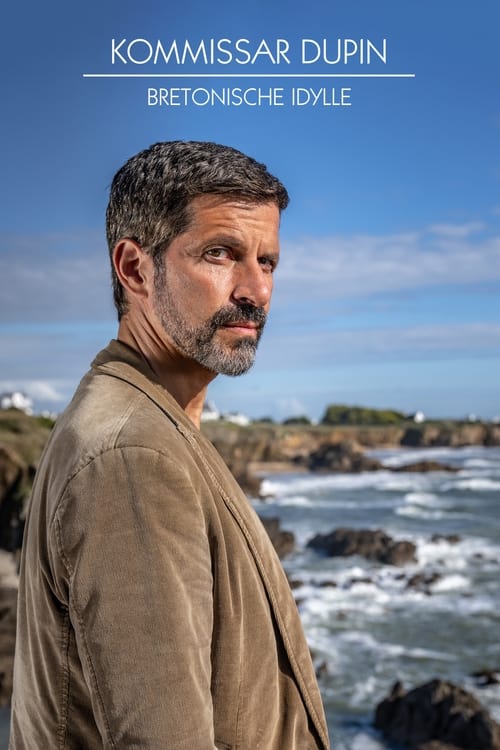
In the ending of "Inspector Dupin: Brittany's Idylls," Inspector Dupin successfully uncovers the truth behind the mysterious deaths in the picturesque town of Concarneau. The resolution reveals the motives of the characters involved, leading to a confrontation that brings justice to the forefront. Dupin's keen observations and understanding of human nature allow him to piece together the clues, ultimately leading to the arrest of the culprit. The film concludes with a sense of closure for the community, as well as for Dupin, who finds a renewed appreciation for the beauty of Brittany and the connections he has forged.
As the film approaches its climax, the tension in the quaint town of Concarneau escalates. Inspector Dupin, having spent considerable time investigating the series of deaths that have plagued the area, gathers the townsfolk in the local community hall. The atmosphere is thick with anxiety and anticipation, as whispers of suspicion circulate among the residents. Dupin stands at the front, his expression serious yet calm, as he prepares to reveal the truth.
Scene by scene, the narrative unfolds. Dupin begins by recounting the events leading up to the deaths, meticulously detailing the connections between the victims. He highlights the underlying tensions within the community, showcasing the jealousy and rivalry that have simmered beneath the surface. The townspeople listen intently, their faces a mix of fear and curiosity, as Dupin's voice carries the weight of his findings.
As he delves deeper, Dupin identifies the key players in the drama: the local artist, whose jealousy over a rival's success led to a tragic confrontation; the wealthy landowner, whose greed and desire for control over the town's resources fueled the conflict; and the innocent bystanders caught in the crossfire of their ambitions. Each character's motivations are laid bare, revealing the intricate web of relationships that have contributed to the chaos.
In a pivotal moment, Dupin confronts the artist, who stands at the back of the hall, visibly shaken. The tension in the room heightens as Dupin lays out the evidence, including a crucial piece of information that links the artist to the final death. The artist's facade crumbles, and in a moment of desperation, he confesses to his actions, revealing the depth of his despair and the lengths he went to in order to protect his pride.
With the confession, the atmosphere shifts from one of fear to relief. The townspeople, who had been on edge, begin to process the truth. Dupin's calm demeanor reassures them that justice will be served. The local authorities step forward to take the artist into custody, and the community breathes a collective sigh of relief.
As the film draws to a close, Dupin reflects on the events that have transpired. He walks along the picturesque coastline of Brittany, the sun setting in the background, casting a warm glow over the landscape. The beauty of the region contrasts with the darkness of the recent events, symbolizing the hope for healing and renewal within the community. Dupin's internal journey is evident; he has not only solved the case but has also come to appreciate the bonds that tie the people of Concarneau together.
In the final scenes, we see the townsfolk coming together, united in their shared experience. They gather for a celebration, a testament to their resilience and the strength of their community. Dupin, standing at the edge of the gathering, watches with a sense of fulfillment. He has not only restored peace to Concarneau but has also found a deeper connection to the place he has come to call home.
The film concludes with a sense of closure for all involved. The artist faces the consequences of his actions, while the community begins to heal from the scars of betrayal and loss. Inspector Dupin, having navigated the complexities of human emotion and conflict, leaves the audience with a poignant reminder of the importance of understanding and compassion in the face of adversity.
Is there a post-credit scene?
In "Inspector Dupin: Brittany's Idylls," there is indeed a post-credit scene that adds a layer of intrigue to the film's conclusion.
As the credits roll, the screen fades to black before transitioning to a serene view of the Brittany coastline at dusk. The sound of gentle waves lapping against the shore fills the air, creating a peaceful atmosphere. Suddenly, the camera shifts to a secluded area near the cliffs, where a figure is seen standing alone, gazing out at the horizon.
The figure is revealed to be Inspector Dupin, his expression contemplative and slightly troubled. He clutches a small, weathered notebook in his hand, flipping through its pages filled with notes and sketches from the case he just solved. The weight of the recent events hangs heavily on him, and the audience can sense his internal struggle as he reflects on the complexities of human nature and the darkness that can lurk beneath the surface of idyllic settings.
As he closes the notebook, a sudden rustle in the nearby bushes catches his attention. Dupin's demeanor shifts from introspection to alertness, his instincts as a detective kicking in. The camera zooms in on his face, revealing a flicker of determination in his eyes. He takes a step toward the sound, and the scene cuts to black just as a shadowy figure emerges from the foliage, leaving viewers with a sense of suspense and the promise of further mysteries to unravel.
This post-credit scene effectively teases potential future adventures for Inspector Dupin, hinting at unresolved threads and the ongoing challenges he will face in his role as a detective in the picturesque yet enigmatic Brittany region.
What motivates Inspector Dupin to return to Brittany?
Inspector Dupin is drawn back to Brittany by a combination of personal ties and a sense of duty. His childhood memories of the region, coupled with the mysterious circumstances surrounding a recent crime, compel him to investigate. The emotional pull of his past and the desire to protect the community he once knew drive his determination.
How does the local community react to Dupin's investigation?
The local community exhibits a mix of skepticism and support towards Dupin's investigation. Some residents are wary of his presence, recalling past tensions with outsiders, while others, particularly those who remember him fondly from his youth, rally around him, eager to assist in uncovering the truth behind the crime.
What role does the setting of Brittany play in the story?
The setting of Brittany is integral to the story, providing a picturesque yet haunting backdrop that reflects the emotional landscape of the characters. The rugged coastline, quaint villages, and rich cultural heritage create an atmosphere of nostalgia and mystery, influencing Dupin's investigation and his interactions with the locals.
Who are the key suspects in the crime Dupin is investigating?
The key suspects in the crime include a local fisherman with a troubled past, a wealthy landowner with hidden motives, and a reclusive artist whose connection to the victim raises eyebrows. Each character presents a unique perspective and potential motive, complicating Dupin's quest for the truth.
What personal challenges does Dupin face while solving the case?
Throughout the investigation, Dupin grapples with his own insecurities and the weight of his past. He faces internal conflicts regarding his identity and the expectations of his role as a detective, all while dealing with the emotional turmoil of reconnecting with his roots and the people of Brittany.
Is this family friendly?
"Inspector Dupin: Brittany's Idylls" is generally considered family-friendly, but it does contain some elements that may be sensitive for younger viewers or those who are particularly sensitive.
-
Murder Investigation: The central plot revolves around a murder mystery, which includes discussions of death and the investigation process. While not graphic, the theme of murder may be unsettling for some children.
-
Tension and Suspense: There are moments of suspense and tension that could be intense, particularly during the investigation scenes where the characters confront suspects or uncover dark secrets.
-
Emotional Struggles: Characters experience emotional turmoil, including grief and anxiety related to the murder, which may resonate deeply with sensitive viewers.
-
Mild Language: There may be instances of mild language or phrases that some parents might find inappropriate for younger audiences.
-
Cultural References: Some cultural references or themes may be more suitable for older children or adults, potentially leading to confusion for younger viewers.
Overall, while the film is crafted to be engaging and entertaining, parents may want to consider these aspects when deciding if it is appropriate for their children.







