

















Popular
What motivates the character of Karl throughout the film?
How does the protagonist, a young woman named Max, react to the events following her father's death?
What role does the character of Max's mother play in her journey?
How does the film depict the relationship between Max and Karl?
What is the significance of the online platform that Karl uses to recruit followers?
Should I watch it?
Ask Your Own Question

What is the plot?
Sorry, we aren't able to watch and write up a full detailed plot yet. Check back in a few days.






What is the ending?
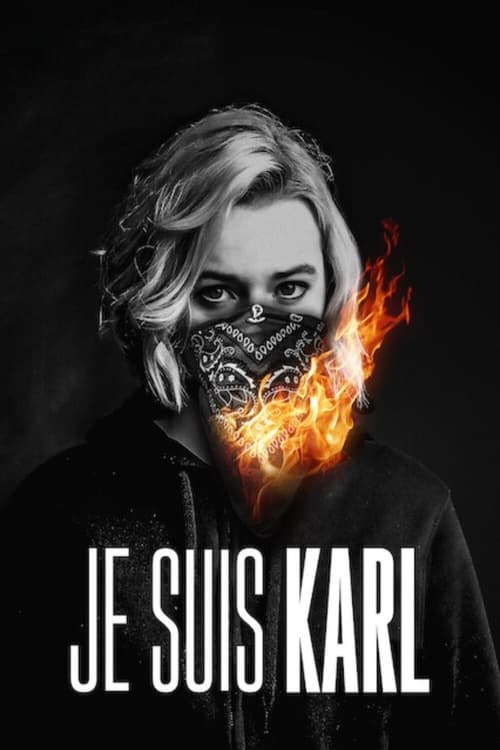
In the ending of "Je suis Karl," the protagonist, a young woman named Max, confronts the reality of her choices and the influence of Karl, a charismatic figure who has drawn her into a world of radicalism. The film culminates in a tense standoff where Max must decide between her loyalty to Karl and her own moral compass. Ultimately, she chooses to reject Karl's ideology, leading to a dramatic confrontation that results in a tragic loss. The film closes with Max grappling with the consequences of her decisions and the impact of extremist ideologies on her life.
As the film approaches its climax, we find Max in a state of turmoil, grappling with the weight of her decisions. The scene opens in a dimly lit warehouse, where a group of young radicals, led by Karl, is preparing for a significant act of protest. The atmosphere is charged with a mix of excitement and tension, as the group discusses their plans. Max stands at the periphery, her face a mask of conflict. She is drawn to Karl's charisma but is increasingly aware of the moral implications of their actions.
In the next scene, Max receives a phone call from her mother, who expresses concern for her safety and urges her to come home. This moment serves as a poignant reminder of the life Max is leaving behind. Her mother's voice is filled with worry, and Max feels a pang of guilt, torn between her new identity and her familial ties. The camera captures her hesitation, the internal struggle evident in her furrowed brow and clenched fists.
As the group prepares to execute their plan, Max witnesses a heated argument between Karl and another member, who questions the ethics of their methods. Karl's response is fierce and unwavering, showcasing his manipulative nature. He appeals to the group's sense of purpose, igniting their fervor. Max, however, feels a growing sense of unease. The camera lingers on her face, capturing the flicker of doubt in her eyes.
The pivotal moment arrives when the group sets out to carry out their act of protest. The scene shifts to a public square, where a large crowd has gathered. Tension hangs in the air as the group prepares to unleash chaos. Max stands at the forefront, but her heart races with fear and uncertainty. She glances at Karl, who is exuding confidence, and she feels the pull of his ideology.
In a moment of clarity, Max steps back, realizing that she cannot go through with the plan. She turns to confront Karl, her voice trembling but resolute. "This isn't right," she declares, her eyes filled with defiance. Karl's expression shifts from surprise to anger, and he attempts to manipulate her emotions, reminding her of the cause they are fighting for. But Max stands firm, her internal conflict giving way to a newfound strength.
The confrontation escalates, drawing the attention of the crowd. In a desperate attempt to regain control, Karl lashes out, and the situation spirals into chaos. The camera captures the panic in the crowd as people begin to flee, and the tension reaches a breaking point. In the midst of the turmoil, Max witnesses a tragic event unfold--someone she cares about is caught in the crossfire, leading to a devastating loss.
As the dust settles, Max is left standing amidst the wreckage of her choices. The weight of her decisions crashes down on her, and she is engulfed in grief and regret. The final scenes depict her walking away from the chaos, her face a mixture of sorrow and determination. She understands the profound impact of extremist ideologies and the personal cost of her involvement.
The film concludes with Max alone, reflecting on her journey. The camera captures her silhouette against the backdrop of a city skyline, symbolizing her struggle for identity and the search for meaning in a world fraught with conflict. The fate of Karl remains ambiguous, as he disappears into the chaos, leaving Max to confront the aftermath of their shared choices. The emotional weight of the ending lingers, emphasizing the personal and societal consequences of radicalism and the importance of individual moral agency.
Is there a post-credit scene?
In the movie "Je suis Karl," there is no post-credit scene. The film concludes its narrative without any additional scenes or content after the credits roll. The story wraps up with a focus on the emotional and psychological aftermath of the events that transpired, leaving the audience to reflect on the themes of identity, manipulation, and the impact of extremist ideologies. The absence of a post-credit scene reinforces the film's serious tone and the weight of its message.
What motivates the character of Karl throughout the film?
Karl is driven by a complex mix of ideology and personal ambition. He is charismatic and manipulative, using his charm to draw others into his radical beliefs. His motivations stem from a desire to create a sense of belonging and purpose, particularly after the traumatic events that shape the lives of the other characters.
How does the protagonist, a young woman named Max, react to the events following her father's death?
Max is initially consumed by grief and anger after her father's death in a terrorist attack. This emotional turmoil leads her to seek answers and justice, pushing her to become involved with Karl and his group, which she believes can help her find purpose and a way to channel her pain.
What role does the character of Max's mother play in her journey?
Max's mother serves as a contrasting figure to Max's radicalization. She embodies a more traditional approach to grief and healing, often expressing concern for Max's involvement with Karl. Her attempts to protect Max highlight the generational conflict and differing responses to trauma within the family.
How does the film depict the relationship between Max and Karl?
The relationship between Max and Karl is complex and fraught with tension. Initially, Max is drawn to Karl's charisma and the sense of belonging he offers. However, as she becomes more aware of his manipulative nature and the true implications of his ideology, her feelings shift from admiration to disillusionment, leading to a critical internal conflict.
What is the significance of the online platform that Karl uses to recruit followers?
The online platform serves as a modern tool for radicalization, illustrating how easily individuals can be influenced and manipulated in the digital age. It becomes a central element in Karl's strategy to spread his ideology, showcasing the dangers of misinformation and the allure of extremist beliefs, particularly for vulnerable individuals like Max.
Is this family friendly?
"Je suis Karl," produced in 2021, is not considered family-friendly due to its mature themes and intense subject matter. The film deals with topics such as terrorism, loss, and radicalization, which may be distressing for children or sensitive viewers.
Potentially objectionable or upsetting aspects include:
- Violent Acts: The film opens with a terrorist attack that results in significant loss of life, which is depicted in a way that may be disturbing.
- Grief and Trauma: Characters experience profound grief and trauma following the attack, leading to emotional scenes that explore their pain and suffering.
- Radicalization: The narrative delves into themes of manipulation and the allure of extremist ideologies, which may be unsettling.
- Emotional Turmoil: Characters grapple with feelings of anger, betrayal, and confusion, which are portrayed in a raw and intense manner.
- Mature Themes: Discussions surrounding revenge, identity, and moral ambiguity may be challenging for younger audiences to process.
Overall, the film's exploration of these heavy themes makes it more suitable for mature audiences.





