













Popular
What is the significance of the timekeeper's device in the story?
How does Elara's relationship with her mentor, Master Thorne, evolve throughout the film?
What role does the antagonist, Lord Vesper, play in the conflict of the story?
How does the theme of regret manifest in Elara's character arc?
What is the significance of the final confrontation between Elara and Lord Vesper?
Should I watch it?
Ask Your Own Question

What is the plot?
Sorry, we aren't able to watch and write up a full detailed plot yet. Check back in a few days.
More Movies Like This
Browse All Movies →






What is the ending?
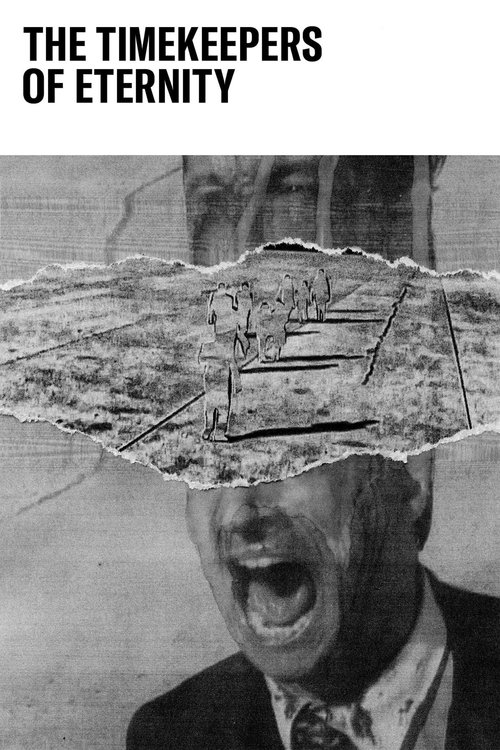
In the ending of "The Timekeepers of Eternity," the main characters confront the consequences of their actions as they attempt to restore balance to time. The protagonist, Elara, makes a significant sacrifice to save her friends and the timeline, ultimately leading to a bittersweet resolution where she is lost to time but ensures the safety of her companions. The film concludes with her friends remembering her and the lessons learned about the value of time and connection.
As the final act unfolds, the scene opens in the heart of the Timekeeper's chamber, a vast, ethereal space filled with swirling clocks and shimmering sands of time. Elara stands at the center, her face a mixture of determination and sorrow. The air is thick with tension as she faces the Timekeeper, a powerful entity who has manipulated time for his own gain. The Timekeeper, cloaked in shadows, reveals his plan to rewrite history, threatening to erase the existence of Elara and her friends.
Elara's friends--Jasper, a loyal but impulsive companion, and Mira, a wise and cautious strategist--stand by her side, their expressions reflecting a blend of fear and resolve. They know that to defeat the Timekeeper, they must harness the power of the ancient artifacts they have gathered throughout their journey. As they prepare for the final confrontation, Elara feels the weight of responsibility on her shoulders, knowing that the fate of time itself rests in their hands.
The battle begins with a clash of light and darkness, as Elara and her friends unleash the power of the artifacts. Jasper charges forward, his bravery shining through as he distracts the Timekeeper, while Mira uses her intellect to decipher the Timekeeper's weaknesses. Elara, channeling her inner strength, confronts the Timekeeper directly, pleading with him to understand the value of time and the connections it fosters.
In a pivotal moment, Elara realizes that the only way to truly defeat the Timekeeper is to sacrifice her own existence within the timeline. With tears in her eyes, she makes the heart-wrenching decision to merge her essence with the flow of time, creating a ripple effect that restores balance but erases her from the memories of her friends. As she steps into the swirling vortex of time, she whispers her final words of love and encouragement to Jasper and Mira, urging them to cherish the moments they have.
The scene shifts to Jasper and Mira, who stand in the aftermath of the battle, the Timekeeper defeated but the cost heavy on their hearts. They look around the chamber, now quiet and still, the clocks ticking in a harmonious rhythm. A sense of loss envelops them as they realize that Elara is gone, her sacrifice ensuring their survival and the restoration of time.
In the final moments, Jasper and Mira exit the chamber, stepping into a world that feels both familiar and altered. They carry with them the memories of their adventures and the lessons learned from Elara. As they walk away, the camera pans up to the sky, where the stars twinkle brightly, symbolizing the enduring impact of Elara's sacrifice. The film closes with a poignant reminder of the importance of time, connection, and the legacy one leaves behind, as Jasper and Mira vow to honor Elara's memory by living fully in the present.
Is there a post-credit scene?
In "The Timekeepers of Eternity," there is indeed a post-credit scene that adds an intriguing layer to the film's narrative.
As the credits roll, the screen fades to black before transitioning to a dimly lit room filled with ancient artifacts and timepieces. The camera slowly pans across the room, revealing a large, ornate clock at the center, its hands spinning erratically. The atmosphere is thick with a sense of mystery and foreboding.
Suddenly, a figure steps into the frame, cloaked in shadows. As the figure approaches the clock, the light catches a glimpse of their face, revealing it to be a character who had been presumed lost during the film's climax. Their expression is one of determination mixed with a hint of sorrow, suggesting a deep connection to the events that transpired.
The character reaches out and touches the clock, and a surge of energy pulses through the room, causing the artifacts to vibrate. A voice, echoing and distorted, whispers, "Time is not what it seems." This cryptic message hints at the possibility of alternate timelines or realities, leaving the audience with a sense of unease and curiosity about the implications for the characters and the world they inhabit.
As the scene fades to black, the sound of ticking clocks grows louder, emphasizing the theme of time's relentless passage and the unresolved mysteries that linger beyond the film's conclusion. This post-credit scene effectively sets the stage for potential future explorations of the story, inviting viewers to ponder the nature of time and the choices that shape destinies.
What is the significance of the timekeeper's device in the story?
The timekeeper's device is a central plot element that allows characters to manipulate time. It serves as both a tool and a symbol of the characters' desires and regrets. The protagonist, Elara, discovers that the device can alter pivotal moments in her life, leading her to confront her past decisions and the consequences of changing time.
How does Elara's relationship with her mentor, Master Thorne, evolve throughout the film?
Elara's relationship with Master Thorne begins as one of admiration and guidance. As the story progresses, she grapples with her mentor's secretive nature and the moral implications of their time manipulation. Their bond is tested when Elara realizes that Thorne has his own hidden agenda, leading to a climactic confrontation that forces her to choose between loyalty and her own moral compass.
What role does the antagonist, Lord Vesper, play in the conflict of the story?
Lord Vesper is a powerful figure who seeks to control the timekeeper's device for his own gain. His ruthless ambition drives the central conflict, as he represents the darker side of time manipulation. Vesper's pursuit of power leads to a series of confrontations with Elara and her allies, ultimately revealing the destructive potential of altering time without regard for its consequences.
How does the theme of regret manifest in Elara's character arc?
Elara's journey is deeply intertwined with her feelings of regret over past choices, particularly regarding her family. As she uses the timekeeper's device, she confronts moments she wishes she could change, leading to emotional turmoil. This internal struggle highlights her growth as she learns to accept her past and understand that some events, even painful ones, shape who she is.
What is the significance of the final confrontation between Elara and Lord Vesper?
The final confrontation between Elara and Lord Vesper is a pivotal moment that encapsulates the film's themes of power, choice, and consequence. It takes place in a visually stunning realm where time itself seems to bend. Elara must confront not only Vesper but also her own fears and regrets. This battle is not just physical; it represents her ultimate acceptance of her past and her determination to protect the integrity of time, leading to a resolution that defines her character.
Is this family friendly?
The Timekeepers of Eternity, produced in 2021, contains several elements that may be considered objectionable or upsetting for children or sensitive viewers.
-
Themes of Loss and Grief: The film explores deep emotional themes surrounding loss, which may be difficult for younger audiences to process. Characters experience significant personal tragedies that are portrayed with emotional intensity.
-
Time Travel Consequences: The concept of time travel leads to scenarios where characters face the repercussions of their actions across different timelines. This can create a sense of confusion or anxiety regarding the nature of time and existence.
-
Mature Emotional Conflicts: Characters engage in intense emotional conflicts, including betrayal and moral dilemmas, which may be complex for younger viewers to understand fully.
-
Visually Intense Scenes: There are moments that may include visually striking imagery related to time manipulation, which could be disorienting or unsettling for some viewers.
-
Existential Themes: The film delves into philosophical questions about life, purpose, and the nature of time, which may be heavy and abstract for children.
Overall, while the film has a rich narrative and emotional depth, its themes and certain scenes may not be suitable for all younger audiences or sensitive individuals.








