














Popular
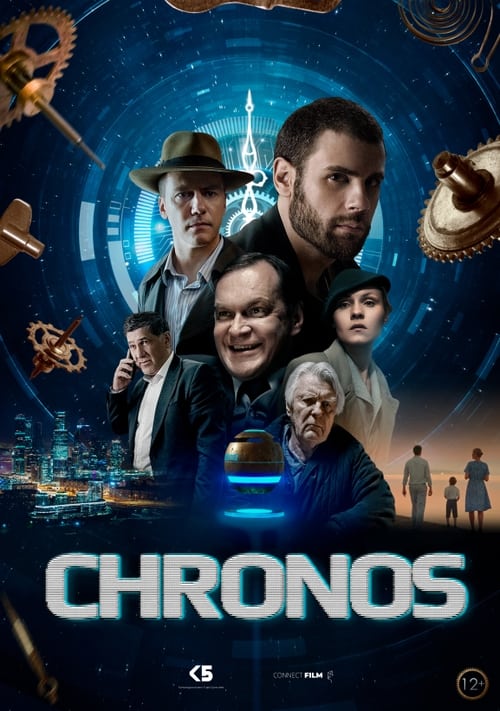
What is the significance of the timepiece in Chronos?
How does Alex's relationship with his father influence his actions in the film?
What role does the character of Mira play in Alex's journey?
How does the film depict the consequences of time manipulation?
What is the emotional climax of Alex's character arc?
Should I watch it?
Ask Your Own Question

What is the plot?
Sorry, we aren't able to watch and write up a full detailed plot yet. Check back in a few days.






What is the ending?
In the ending of "Chronos," the protagonist, Alex, confronts the consequences of his time manipulation. After a series of intense encounters with his past and future selves, he ultimately decides to let go of his obsession with controlling time. The film concludes with Alex accepting the natural flow of life, leading to a poignant moment of reconciliation with his estranged family.
As the final scenes unfold, Alex stands in a dimly lit room filled with clocks, each ticking away in a rhythmic harmony. The air is thick with tension as he grapples with the weight of his choices. He has been on a relentless quest to manipulate time, believing that he could rewrite his past mistakes and create a better future. However, the toll of his actions has become increasingly evident, manifesting in the form of fractured relationships and a deep sense of isolation.
In a pivotal moment, Alex encounters a vision of his younger self, a representation of his lost innocence and the dreams he once held. This encounter is emotionally charged, filled with regret and longing. The younger Alex looks at him with a mixture of admiration and confusion, prompting Alex to reflect on the person he has become. The scene is visually striking, with the younger version standing in stark contrast to the weary, burdened man Alex has turned into.
As the confrontation escalates, Alex realizes that his attempts to control time have only led to more chaos. The clocks around him begin to malfunction, their hands spinning wildly, symbolizing the disarray in his life. In a moment of clarity, he understands that he cannot change the past, nor can he dictate the future. This realization brings a wave of relief, washing over him like a gentle tide. He takes a deep breath, allowing himself to feel the weight of his emotions--grief, loss, and ultimately, acceptance.
In the final act of the film, Alex makes his way to a family gathering, where he is met with mixed reactions from his loved ones. His estranged sister, Sarah, stands at the center of the room, her expression a blend of hope and skepticism. As Alex approaches her, the atmosphere is charged with unspoken words and unresolved feelings. He reaches out, offering a heartfelt apology for the years of distance and pain he has caused. The moment is raw and vulnerable, capturing the essence of familial bonds strained by time and misunderstanding.
Sarah's eyes soften as she listens, and the tension begins to dissipate. The scene shifts to a close-up of their hands, clasping together in a gesture of reconciliation. The warmth of their connection signifies a new beginning, a chance to rebuild what was lost. The camera pans out, revealing the rest of the family watching, their expressions shifting from uncertainty to cautious optimism.
As the credits roll, the final image is of Alex standing outside, bathed in the golden light of sunset. He gazes up at the sky, a serene smile gracing his lips. The ticking of the clocks fades into the background, replaced by the sounds of laughter and conversation from within the house. This moment encapsulates the film's central theme: the acceptance of time as an unchangeable force and the importance of cherishing relationships in the present.
In summary, Alex's journey culminates in a profound acceptance of his past and a commitment to nurturing his relationships. The fates of the main characters are intertwined in this moment of reconciliation, with Alex finding peace and Sarah opening her heart to forgiveness. The film closes on a hopeful note, emphasizing the beauty of life's fleeting moments and the power of connection.
Is there a post-credit scene?
In the movie "Chronos" produced in 2022, there is indeed a post-credit scene that adds an intriguing layer to the narrative.
As the credits roll, the screen fades to black before illuminating a dimly lit room filled with various clocks, each ticking in unison. The camera slowly pans across the room, revealing a figure shrouded in shadows, meticulously adjusting the hands of a large, ornate clock. The atmosphere is thick with tension, and the sound of the ticking becomes increasingly pronounced, echoing the theme of time that permeates the film.
The figure steps into the light, revealing themselves to be a character who had been a minor yet pivotal presence throughout the film. Their expression is one of deep contemplation, hinting at a burden of knowledge and responsibility. They glance at a small, intricate device resting on a nearby table, which appears to be a prototype of the time-manipulating technology central to the plot.
With a determined look, the character activates the device, and the room is suddenly filled with a shimmering light. The clocks begin to spin wildly, and the scene shifts to a series of rapid flashes showing alternate timelines and potential futures, each one more chaotic than the last. The character's voice echoes, stating, "Time is not just a line; it's a web. And I have the power to weave it."
The scene ends abruptly, leaving viewers with a sense of unease and curiosity about the implications of this newfound power and how it might connect to the main storyline. This post-credit moment serves as a tantalizing tease for potential future developments, suggesting that the struggle with time is far from over.
What is the significance of the timepiece in Chronos?
The timepiece in Chronos serves as a central symbol of the protagonist's struggle against time and fate. It is an ancient artifact that not only measures time but also has the power to manipulate it. Throughout the film, the protagonist, Alex, becomes increasingly obsessed with the timepiece, believing it holds the key to changing his past mistakes and altering his future. This obsession leads him to confront his own mortality and the consequences of his choices.
How does Alex's relationship with his father influence his actions in the film?
Alex's relationship with his father is strained and complex, marked by feelings of abandonment and resentment. His father's disapproval of Alex's life choices drives him to seek validation through the timepiece. As Alex delves deeper into the mysteries of the artifact, he grapples with his father's legacy and the desire to prove himself. This internal conflict fuels his determination to change the past, ultimately leading to a poignant confrontation with his father's memory.
What role does the character of Mira play in Alex's journey?
Mira is a pivotal character in Alex's journey, serving as both a love interest and a moral compass. She represents the life Alex could have if he chooses to let go of his obsession with the timepiece. Throughout the film, Mira challenges Alex's reckless pursuit of altering time, urging him to confront his past rather than escape it. Her unwavering support and emotional depth provide a counterbalance to Alex's turmoil, highlighting the importance of human connection in the face of existential struggles.
How does the film depict the consequences of time manipulation?
Chronos vividly illustrates the consequences of time manipulation through a series of increasingly dire events that unfold as Alex attempts to change his past. Each alteration he makes leads to unintended repercussions, affecting not only his life but also the lives of those around him. The film uses visual motifs, such as distorted timelines and fragmented memories, to convey the chaos that ensues. This portrayal serves as a cautionary tale about the dangers of tampering with time and the inevitability of facing one's reality.
What is the emotional climax of Alex's character arc?
The emotional climax of Alex's character arc occurs when he finally confronts the reality of his choices and the impact they have had on his relationships. In a pivotal scene, he faces a moment of truth where he must choose between using the timepiece to erase his past mistakes or accepting them as part of his journey. This moment is charged with tension and vulnerability, as Alex grapples with feelings of regret, loss, and the desire for redemption. Ultimately, his decision marks a turning point in his character development, leading to a deeper understanding of himself and his place in the world.
Is this family friendly?
"Chronos," produced in 2022, is a film that delves into themes of time, loss, and the human experience. While it offers a rich narrative, there are elements that may be considered objectionable or upsetting for children or sensitive viewers.
-
Emotional Themes: The film explores deep emotional struggles, including grief and existential questions, which may be heavy for younger audiences to process.
-
Intense Scenes: There are moments of tension and conflict that may evoke feelings of anxiety or fear, particularly in scenes where characters face significant challenges or threats.
-
Loss and Separation: The narrative includes scenes that depict loss, which could be upsetting for viewers who have experienced similar situations in their own lives.
-
Visual Imagery: Some sequences may contain dark or surreal imagery that could be unsettling, particularly for younger viewers.
-
Mature Discussions: The film features conversations about mortality and the passage of time that may be complex and difficult for children to understand.
Overall, while "Chronos" offers a thought-provoking experience, its emotional depth and certain intense moments may not be suitable for all audiences, particularly younger children.








