






Loading additional questions...
Popular
How did the phone-hacking operation at the News of the World actually work, and who inside the paper knew about it?
What role did Andy Coulson play in the scandal, and how is his involvement presented in the trial story?
Why is Rebecca Brooks significant in the story, and what was happening around her at the time of the hacking allegations?
What is the importance of Glenn Mulcaire in the phone-hacking trial story?
Which public figures or victims are directly connected to the story in the documentary?
Should I watch it?
Ask Your Own Question

What is the plot?









What is the ending?
The ending of Scandalous: Phone Hacking on Trial follows the long civil battle over unlawful information gathering at major British newspapers, and it closes by showing that the allegations did not disappear--they were pursued in court until victims received public recognition and compensation, while the wider scandal continued to damage the newspaper world. The documentary ends on the reality that the issue was not just private wrongdoing, but a public legal reckoning centered on people who said their phones were hacked and their lives were manipulated.
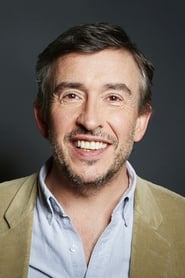
The final stretch of the story moves through the civil-court aftermath of the scandal and the testimony of the people who said they were targeted. The film presents these claims through the voices of alleged victims such as Sienna Miller, Hugh Grant, Steve Coogan, Heather Mills, and Sir Simon Hughes, all of whom describe how the allegations reached into their private lives. The ending does not present a single dramatic courtroom "win" as a neat finish; instead, it shows the scandal as something that was exposed piece by piece through testimony, legal pressure, and public admissions.
In the broader real-world timeline that the documentary is built around, News International eventually issued "sincere" contrition in February 2013 and paid substantial damages in 144 cases. Among the publicly apologized-to victims were Sarah, Duchess of York, Hugh Grant, Christopher Eccleston, James Blunt, Uri Geller, Geoffrey Robinson, Colin Stagg, and others. That legal fallout is the practical ending point of the story the documentary tells: the newspaper's conduct is acknowledged, the victims are publicly recognized, and the civil cases force the issue into the open.
For the major figures tied to the ending, the outcome is as follows. Hugh Grant is one of the central voices of the documentary and is publicly apologized to as part of the wider settlement process. Sienna Miller, Steve Coogan, Heather Mills, and Sir Simon Hughes appear as testimonial participants whose accounts help drive the film's final understanding of the scandal. In the wider scandal timeline referenced by the source material, former News of the World editor Andy Coulson was later found guilty of conspiracy to intercept voicemails and sentenced to 18 months in prison in July 2014. That gives the ending its final shape: the victims are vindicated in public, while the people connected to the wrongdoing face legal and reputational consequences.
Is there a post-credit scene?
How did the phone-hacking operation at the News of the World actually work, and who inside the paper knew about it?
The series is centered on allegations that phone hacking was not just the work of a few rogue reporters, but part of a wider operation inside News of the World. The BBC material says the hackers, including investigator Glenn Mulcaire, were not working in secret and that middle managers and desk editors knew what was going on; it also says Andy Coulson knew about it while he was editor.
What role did Andy Coulson play in the scandal, and how is his involvement presented in the trial story?
Andy Coulson is one of the key figures in the story, and the BBC description says he was found guilty of conspiring to hack phones. The documentary's account places him at the center of the legal and editorial chain of responsibility, not as a peripheral figure but as someone connected to the newsroom culture where the illegal activity was taking place.
Why is Rebecca Brooks significant in the story, and what was happening around her at the time of the hacking allegations?
Rebecca Brooks is significant because the BBC narration highlights her as part of the former News of the World leadership circle tied to the scandal. The same account notes that she was on holiday when Millie Dowler's phone was hacked, a detail that matters because it places her personal timeline against one of the most notorious episodes in the scandal.
What is the importance of Glenn Mulcaire in the phone-hacking trial story?
Glenn Mulcaire is identified in the BBC material as one of the hackers involved in the operation. His role matters because he represents the investigative side of the unlawful information gathering, the practical mechanism through which private voicemails and other phone data were accessed.
Which public figures or victims are directly connected to the story in the documentary?
The Zinc Media description says the series includes testimony from figures such as Sienna Miller, Hugh Grant, Steve Coogan, and Heather Mills. Their presence indicates that the story is not only about newsroom executives and journalists, but also about the people whose privacy was invaded and whose experiences helped expose the scandal.