
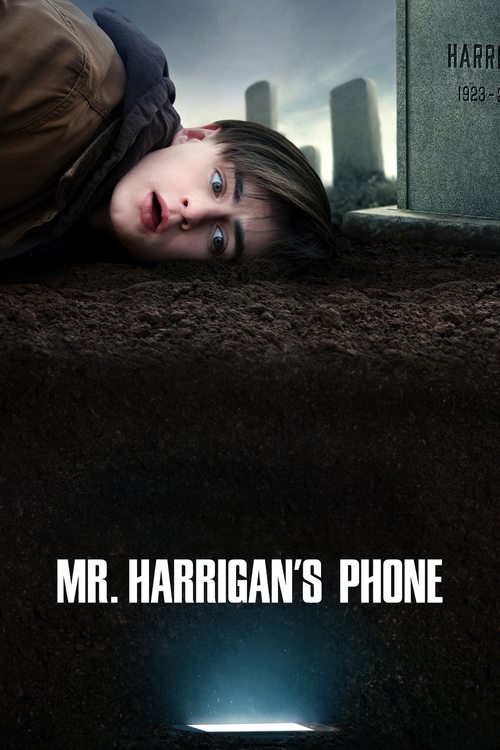


















Popular
Who is Mr. Harrigan and what is his relationship with the main character?
How does Craig communicate with Mr. Harrigan after his death?
What role does the smartphone play in the story?
What are the consequences of Craig's actions after using the phone to contact Mr. Harrigan?
How does Craig's character evolve throughout the film?
Should I watch it?
Ask Your Own Question

What is the plot?
Sorry, we aren't able to watch and write up a full detailed plot yet. Check back in a few days.







What is the ending?
In the ending of "Mr. Harrigan's Phone," Craig, the protagonist, discovers that he can communicate with the deceased Mr. Harrigan through the phone that was buried with him. After a series of events where Craig uses this connection to seek revenge on those who have wronged him, he ultimately faces the consequences of his actions. The film concludes with Craig reflecting on the moral implications of his choices and the lingering presence of Mr. Harrigan in his life.
As the film approaches its climax, we find Craig, now a teenager, grappling with the aftermath of Mr. Harrigan's death. He is still haunted by the loss of his friend and mentor, who had introduced him to the world of literature and technology. Craig is alone in his room, holding the phone that once belonged to Mr. Harrigan, contemplating the strange connection they still share.
In a pivotal scene, Craig receives a call from Mr. Harrigan's number, which he had thought was impossible. The phone vibrates in his hand, and he answers, feeling a mix of fear and excitement. Mr. Harrigan's voice, though faint, is clear. He urges Craig to take action against those who have wronged him, specifically targeting a bully at school and a corrupt businessman who has caused harm to others. Craig, feeling empowered by this supernatural connection, decides to act.
The first act of revenge is against the bully, who has been tormenting him and his friends. Craig uses the phone to summon Mr. Harrigan's influence, leading to a series of events that result in the bully's downfall. The bully is involved in a car accident, which Craig learns about through whispers at school. The thrill of revenge fills Craig with a sense of justice, but it also begins to weigh heavily on him.
As the story progresses, Craig's actions escalate. He decides to target the businessman, who has been exploiting vulnerable people in their community. Craig feels justified in his actions, believing that he is enacting justice on behalf of those who cannot fight back. However, the more he uses the phone, the more he realizes that there are consequences to his actions. The line between right and wrong blurs, and Craig begins to feel the emotional toll of his decisions.
In the final scenes, Craig is confronted with the reality of what he has done. He receives a call from Mr. Harrigan one last time, and this time, the tone is different. Mr. Harrigan warns Craig about the dangers of using the phone for revenge and the potential for darkness to consume him. Craig is left to ponder the moral implications of his choices, feeling a mix of regret and fear.
The film concludes with Craig standing at Mr. Harrigan's grave, reflecting on their friendship and the lessons he has learned. He realizes that while he may have sought revenge, it has come at a cost. The camera pans out, leaving Craig alone with his thoughts, the phone still in his pocket, symbolizing the lingering connection to Mr. Harrigan and the choices he must now face.
In the end, Craig is left to navigate the complexities of life without Mr. Harrigan's guidance, understanding that the power of the phone is both a gift and a curse. The fate of Mr. Harrigan remains as a ghostly presence in Craig's life, serving as a reminder of the choices he made and the path he must now forge on his own.
Is there a post-credit scene?
In "Mr. Harrigan's Phone," there is no post-credit scene. The film concludes its narrative without any additional scenes or content after the credits roll. The story wraps up with a focus on the themes of connection, loss, and the supernatural elements surrounding the relationship between the main character, Craig, and Mr. Harrigan. The absence of a post-credit scene allows the audience to reflect on the film's emotional and thematic depth without any further distractions.
Who is Mr. Harrigan and what is his relationship with the main character?
Mr. Harrigan is an elderly billionaire who becomes a mentor and friend to the young protagonist, Craig. Their relationship develops as Craig reads to Mr. Harrigan and they bond over shared interests, particularly literature and technology.
How does Craig communicate with Mr. Harrigan after his death?
After Mr. Harrigan passes away, Craig discovers that he can still communicate with him through a smartphone that was buried with Mr. Harrigan. This supernatural element allows Craig to seek guidance and support from Mr. Harrigan even after his death.
What role does the smartphone play in the story?
The smartphone serves as a conduit for Craig to connect with Mr. Harrigan posthumously. It becomes a pivotal plot device that raises questions about life, death, and the consequences of using technology to communicate with the deceased.
What are the consequences of Craig's actions after using the phone to contact Mr. Harrigan?
Craig's use of the phone leads to unintended consequences, including a series of events that result in harm to those who have wronged him. This raises moral dilemmas about revenge and the power of the supernatural.
How does Craig's character evolve throughout the film?
Craig starts as a shy and introverted teenager, but as he interacts with Mr. Harrigan and uses the phone, he becomes more assertive and confrontational. His experiences force him to grapple with themes of loss, power, and the impact of his choices.
Is this family friendly?
"Mr. Harrigan's Phone," produced in 2022, is not particularly family-friendly and contains several elements that may be objectionable or upsetting for children or sensitive viewers. Here are some aspects to consider:
-
Death and Grief: The film deals with themes of death, loss, and mourning, which may be emotionally heavy for younger audiences.
-
Supernatural Elements: There are scenes involving supernatural occurrences that could be frightening or unsettling, particularly for children.
-
Violence: The film includes moments of violence and threats, which may be disturbing.
-
Mature Themes: It explores complex themes such as revenge and moral ambiguity, which may not be suitable for younger viewers.
-
Language: There are instances of strong language that may not be appropriate for children.
These elements contribute to a tone that may be more suitable for older teens and adults rather than a family audience.







