






Popular
What role did Lech Wałęsa play in the Solidarity movement as depicted in the film?
How does the film depict the relationship between the Solidarity movement and the Catholic Church?
What specific events led to the declaration of martial law in Poland as shown in the film?
How does the film portray the impact of the Gdańsk Agreement on the Solidarity movement?
What personal sacrifices do the characters make for the Solidarity cause in the film?
Should I watch it?
Ask Your Own Question

What is the plot?
Sorry, we aren't able to watch and write up a full detailed plot yet. Check back in a few days.






What is the ending?
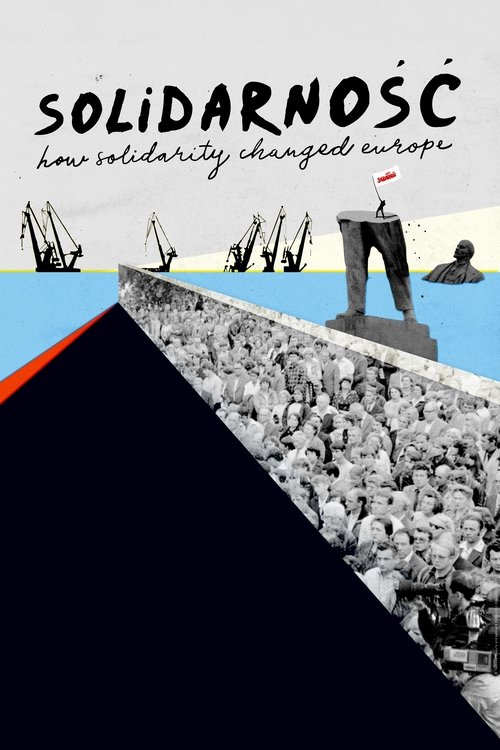
In the ending of "Solidarność: How Solidarity Changed Europe," the film culminates in the significant impact of the Solidarity movement on Poland and the broader European landscape. The film highlights the eventual fall of communism in Poland, the rise of democracy, and the lasting legacy of the Solidarity movement. Key figures reflect on their struggles and triumphs, emphasizing the importance of unity and perseverance in the face of oppression.
As the film draws to a close, we see archival footage of the first free elections in Poland in 1989, where Solidarity candidates achieve a historic victory. The atmosphere is charged with hope and celebration, marking a pivotal moment in history. The film concludes with a sense of optimism for the future, showcasing the enduring spirit of the Solidarity movement and its influence on other nations in Europe.
In a more detailed narrative, the ending unfolds as follows:
The scene transitions to the summer of 1989, where the atmosphere in Poland is electric with anticipation. The camera captures the bustling streets of Warsaw, filled with citizens eager to participate in the upcoming elections. The air is thick with a sense of hope, as people gather in small groups, discussing the potential for change. The film intersperses these scenes with interviews of key figures from the Solidarity movement, such as Lech Wałęsa, who reflects on the arduous journey that led to this moment. His voice carries a mix of pride and humility, as he acknowledges the sacrifices made by countless individuals.
As the election day approaches, the film shifts to the Solidarity headquarters, where activists are strategizing and preparing for the vote. The tension is palpable; the stakes are high. The camera lingers on the faces of the activists, capturing their determination and resolve. They understand that this election is not just about political power but about reclaiming their dignity and rights as citizens.
On election day, the film presents a montage of citizens casting their votes, their expressions a blend of anxiety and hope. The polling stations are filled with people from all walks of life, united in their desire for change. The film emphasizes the significance of this moment, showcasing the diversity of the electorate and the collective yearning for freedom.
As the results begin to roll in, the mood shifts from anxious anticipation to jubilant celebration. The camera captures the moment when the first results are announced: Solidarity candidates have won a sweeping victory. The streets erupt in cheers, and people embrace one another, tears of joy streaming down their faces. The film juxtaposes this celebration with archival footage of past protests and struggles, underscoring the long road to this moment.
In the aftermath of the elections, the film highlights the immediate changes taking place in Poland. Wałęsa and other Solidarity leaders are seen entering government offices, a stark contrast to their previous roles as dissidents. The film captures their emotional reactions as they step into positions of power, reflecting on the journey that brought them here. Wałęsa, in particular, is shown grappling with the weight of responsibility that comes with leadership.
The final scenes of the film focus on the broader implications of the Solidarity movement. As news spreads of Poland's democratic transition, the film shows how it inspires similar movements across Eastern Europe. The camera pans over scenes of protests in neighboring countries, where citizens are emboldened by Poland's success. The film concludes with a powerful montage of images from across Europe, illustrating the ripple effect of Solidarity's victory.
In the closing moments, the film returns to Wałęsa, who speaks directly to the camera, urging viewers to remember the importance of solidarity and unity in the face of adversity. His message resonates as the screen fades to black, leaving the audience with a sense of hope and the understanding that the fight for freedom and democracy is ongoing.
The fates of the main characters are intertwined with this historic moment. Wałęsa emerges as a national leader, tasked with guiding Poland through its transition to democracy. Other key figures, such as Anna Walentynowicz and other Solidarity activists, find themselves in positions of influence, shaping the new political landscape. The film closes on a note of reflection, emphasizing that while the struggle for freedom has been won, the journey towards a just society continues.
Is there a post-credit scene?
The movie "Solidarność: How Solidarity Changed Europe" does not feature a post-credit scene. The film concludes with a powerful reflection on the impact of the Solidarity movement in Poland and its broader implications for Europe. It wraps up by emphasizing the themes of hope, resilience, and the enduring spirit of those who fought for freedom and democracy. The final moments leave the audience with a sense of inspiration and a call to remember the lessons learned from this pivotal historical movement.
What role did Lech Wałęsa play in the Solidarity movement as depicted in the film?
Lech Wałęsa is portrayed as a pivotal figure in the Solidarity movement, emerging from his background as a shipyard worker to become a charismatic leader. The film captures his internal struggles, motivations, and the immense pressure he faces as he rallies workers against the oppressive communist regime in Poland. His determination and vision for a free Poland drive the narrative forward, showcasing his evolution from a humble worker to a national symbol of resistance.
How does the film depict the relationship between the Solidarity movement and the Catholic Church?
The film illustrates a complex relationship between the Solidarity movement and the Catholic Church, highlighting the Church's role as a moral supporter of the movement. Key scenes depict meetings between Wałęsa and church leaders, emphasizing the Church's influence in providing a safe haven for dissenters and its moral authority in the fight against communism. The emotional weight of these interactions underscores the shared values of faith and freedom.
What specific events led to the declaration of martial law in Poland as shown in the film?
The film details the escalating tensions in Poland leading up to the declaration of martial law in December 1981. Key scenes depict the growing strikes, the government's increasing repression, and the pivotal moment when the authorities decide to clamp down on the movement. The emotional turmoil of the characters is palpable as they grapple with fear, uncertainty, and the harsh realities of their struggle for freedom.
How does the film portray the impact of the Gdańsk Agreement on the Solidarity movement?
The Gdańsk Agreement is depicted as a significant turning point for the Solidarity movement, showcasing the moment when the government concedes to some of the workers' demands. The film captures the jubilation and hope among the workers, juxtaposed with the underlying tension of what this agreement truly means for their future. Characters express a mix of optimism and skepticism, reflecting the fragile nature of their hard-won gains.
What personal sacrifices do the characters make for the Solidarity cause in the film?
The film poignantly illustrates the personal sacrifices made by various characters involved in the Solidarity movement. Scenes depict family separations, loss of jobs, and the constant threat of imprisonment. The emotional toll is evident as characters wrestle with their commitment to the cause versus their personal lives, showcasing the deep sense of duty and the heavy burden of their fight for freedom.
Is this family friendly?
"Solidarność: How Solidarity Changed Europe" is a documentary that explores the historical and political significance of the Solidarity movement in Poland and its impact on Europe. While the film is primarily educational and focuses on historical events, there are some aspects that may be sensitive for children or sensitive viewers.
-
Historical Context of Oppression: The film discusses the oppressive regime in Poland during the communist era, which may include references to political repression, censorship, and the struggles faced by the Polish people.
-
Images of Protests and Strikes: There are scenes depicting protests, strikes, and civil unrest, which may include footage of confrontations between protesters and authorities. This could be distressing for younger viewers.
-
Emotional Testimonies: The documentary features personal stories and testimonies from individuals who experienced hardship and loss during this tumultuous period. These narratives may evoke strong emotions related to fear, loss, and resilience.
-
Discussion of Violence: While the film does not focus on graphic violence, there may be discussions or references to violent acts that occurred during the struggle for freedom, which could be unsettling for some viewers.
Overall, while the film is informative and significant in its portrayal of historical events, it does contain themes and imagery that may require parental guidance for younger audiences.









