










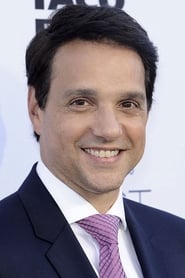

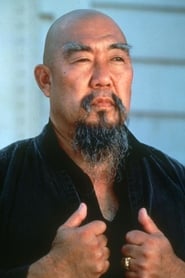
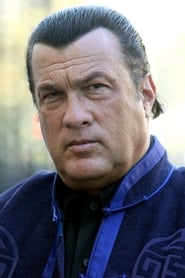





Popular
What is the significance of the character Mas Oyama in The Real Miyagi?
How does Fumio Demura's relationship with his students evolve throughout the film?
What role does the concept of honor play in Fumio Demura's life and teachings?
How does the film portray the cultural differences between traditional Japanese martial arts and Western interpretations?
What impact did Fumio Demura have on the martial arts community, as depicted in the film?
Should I watch it?
Ask Your Own Question

What is the plot?
Sorry, we aren't able to watch and write up a full detailed plot yet. Check back in a few days.








What is the ending?
In the ending of "The Real Miyagi," the film culminates in a celebration of the life and legacy of Fumio Demura, the martial artist who inspired the character Mr. Miyagi in "The Karate Kid." The film showcases Demura's impact on martial arts and his journey, highlighting his achievements and the respect he has garnered from students and peers alike. The final scenes reflect on his philosophy of martial arts as a way of life, emphasizing the importance of discipline, respect, and the passing down of knowledge.
As the credits roll, viewers are left with a sense of admiration for Demura's contributions to martial arts and the personal stories of those he has influenced throughout his life.
The ending of "The Real Miyagi" unfolds with a poignant reflection on the life of Fumio Demura, the man who served as the inspiration for Mr. Miyagi in "The Karate Kid." The film builds to this moment by weaving together interviews, archival footage, and personal anecdotes from those who have been touched by Demura's teachings.
Scene by scene, the film transitions into a celebratory atmosphere. The camera captures a gathering of martial artists, students, and friends who have come together to honor Demura. The setting is vibrant, filled with banners and decorations that pay tribute to his legacy. The mood is both festive and reverent, as attendees share stories of their experiences with Demura, illustrating the profound impact he has had on their lives.
As the event unfolds, the audience is treated to heartfelt testimonials. One by one, students recount their journeys in martial arts, often crediting Demura for instilling in them not just the techniques of karate, but also life lessons about perseverance, respect, and humility. The camera lingers on Demura's expressions, capturing his humility and gratitude as he listens to the stories being shared. His eyes reflect a deep sense of fulfillment, knowing that his teachings have resonated with so many.
In a particularly emotional moment, Demura takes the stage to address the crowd. He speaks with sincerity, his voice steady yet filled with emotion. He emphasizes the importance of martial arts as a way of life, not merely a sport. He shares anecdotes from his own life, recounting the struggles he faced as an immigrant and the dedication required to master his craft. His words resonate deeply with the audience, many of whom are visibly moved.
As the event draws to a close, the camera captures the camaraderie among the attendees. They engage in demonstrations of martial arts, showcasing the skills they have honed under Demura's guidance. The atmosphere is electric, filled with laughter and applause, as the community comes together to celebrate not just a martial artist, but a mentor and a friend.
The film concludes with a montage of Demura's life, interspersed with clips from "The Karate Kid," highlighting the connection between the fictional character and the real-life inspiration. The final images show Demura surrounded by his students, all of whom express their gratitude and admiration. The screen fades to black, leaving the audience with a lasting impression of the legacy of Fumio Demura--a legacy built on respect, discipline, and the transformative power of martial arts.
In the end, Fumio Demura stands as a testament to the idea that true mastery goes beyond physical skill; it encompasses the ability to inspire and uplift others. The film closes with a sense of hope and continuity, as Demura's teachings will undoubtedly continue to influence future generations of martial artists.
Is there a post-credit scene?
The movie "The Real Miyagi," produced in 2015, does not contain a post-credit scene. The film focuses on the life and legacy of martial artist Fumio Demura, who served as the inspiration for Mr. Miyagi in "The Karate Kid." It concludes with a reflection on Demura's impact on martial arts and his philosophy, leaving viewers with a sense of closure regarding his journey and contributions. The absence of a post-credit scene aligns with the film's documentary style, emphasizing the real-life narrative rather than setting up any fictional continuation.
What is the significance of the character Mas Oyama in The Real Miyagi?
Mas Oyama is a pivotal figure in The Real Miyagi, representing the traditional martial arts lineage that influenced the protagonist, Fumio Demura. His dedication to karate and the philosophy behind it serves as a backdrop for Demura's journey, showcasing the deep respect and commitment to martial arts that shapes the narrative.
How does Fumio Demura's relationship with his students evolve throughout the film?
Fumio Demura's relationship with his students is central to the film, illustrating his role as a mentor. Initially, he is seen as a strict instructor, but as the story progresses, his nurturing side emerges. He becomes more invested in their personal growth, reflecting his own struggles and triumphs, which deepens the emotional connection between them.
What role does the concept of honor play in Fumio Demura's life and teachings?
Honor is a crucial theme in Fumio Demura's life, influencing his actions and teachings. Throughout the film, he emphasizes the importance of respect, discipline, and integrity in martial arts. This is particularly evident in his interactions with students and peers, where he often reflects on the honor of the martial arts tradition and how it shapes one's character.
How does the film portray the cultural differences between traditional Japanese martial arts and Western interpretations?
The Real Miyagi contrasts traditional Japanese martial arts with Western interpretations through various scenes that highlight misunderstandings and adaptations. Fumio Demura's experiences in America reveal the challenges of maintaining authenticity while also adapting to a new cultural context, showcasing the tension between preserving tradition and embracing change.
What impact did Fumio Demura have on the martial arts community, as depicted in the film?
Fumio Demura's impact on the martial arts community is depicted as profound and far-reaching. The film illustrates his role in popularizing karate in the West, particularly through his work with Hollywood, which helped bridge cultural gaps. His dedication to teaching and promoting martial arts principles has inspired countless practitioners, making him a respected figure in the community.
Is this family friendly?
"The Real Miyagi" is a documentary that explores the life and legacy of martial arts master Fumio Demura, who served as the inspiration for Mr. Miyagi in "The Karate Kid." While the film is generally family-friendly, there are a few aspects that might be considered potentially objectionable or upsetting for children or sensitive viewers:
-
Martial Arts Violence: The film includes scenes of martial arts training and demonstrations, which may involve physical confrontations. While not graphic, some viewers might find the intensity of the martial arts displays unsettling.
-
Personal Struggles: There are moments where Fumio Demura reflects on his personal challenges, including the hardships he faced as an immigrant and the struggles within his family life. These themes may evoke feelings of sadness or empathy.
-
Cultural Context: The documentary touches on themes of cultural identity and the immigrant experience, which may be complex for younger viewers to fully grasp.
-
Emotional Moments: There are scenes that delve into the emotional weight of loss and the impact of mentorship, which could be poignant and potentially upsetting for sensitive viewers.
Overall, while the film is suitable for a wide audience, parents may want to consider these elements when deciding if it is appropriate for younger children.