



Popular
What motivated John Lewis to become involved in the Civil Rights Movement?
How did John Lewis's role in the Selma to Montgomery marches impact his life?
What challenges did John Lewis face as a young leader in the Student Nonviolent Coordinating Committee (SNCC)?
How did John Lewis's relationship with other civil rights leaders evolve throughout the film?
What personal sacrifices did John Lewis make in his fight for civil rights?
Should I watch it?
Ask Your Own Question

What is the plot?
Sorry, we aren't able to watch and write up a full detailed plot yet. Check back in a few days.








What is the ending?
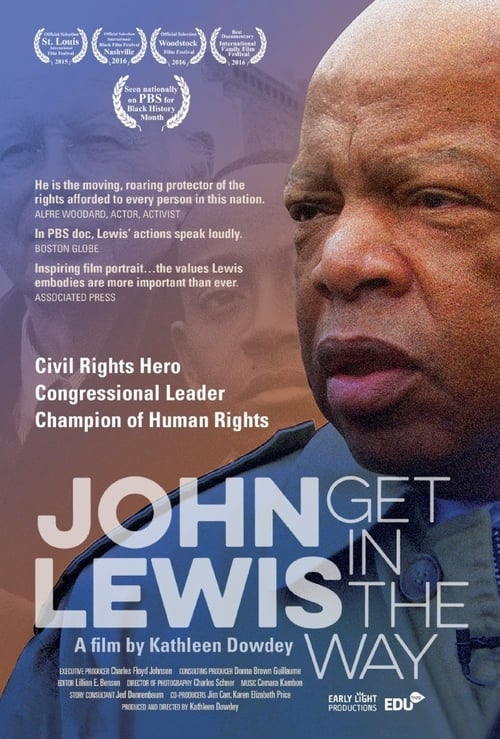
In the ending of "Get In The Way: The Journey of John Lewis," the film culminates in a powerful reflection on John Lewis's legacy and the ongoing struggle for civil rights. It highlights his enduring commitment to activism and the importance of continuing the fight for justice, even in the face of adversity.
As the film draws to a close, it revisits key moments from Lewis's life, emphasizing his role in pivotal events such as the Selma marches and his time in Congress. The final scenes showcase Lewis's unwavering spirit and his belief in the power of nonviolent protest. The film ends with a call to action, urging viewers to carry on the work that Lewis dedicated his life to, reinforcing the message that the journey for equality is far from over.
In a more detailed narrative, the ending unfolds as follows:
The final act of "Get In The Way" begins with a montage of John Lewis's life, interspersed with footage from the civil rights movement. The screen fills with images of young activists marching, holding signs, and chanting for justice, echoing the fervor of the 1960s. Lewis's voiceover reflects on the sacrifices made by countless individuals who fought for civil rights, emphasizing the importance of remembering their struggles.
As the film transitions to present-day scenes, we see Lewis in his role as a congressman, still passionately advocating for social justice. He stands in front of a crowd, his presence commanding yet humble, as he speaks about the need for continued activism. The camera captures the intensity in his eyes, revealing a man who has dedicated his life to the cause, yet remains hopeful for the future.
In a poignant moment, Lewis visits the Edmund Pettus Bridge in Selma, Alabama, a site of historical significance where he once faced brutal opposition. The bridge symbolizes both the struggles of the past and the ongoing fight for equality. As he walks across it, the weight of history is palpable. He pauses, reflecting on the bloodshed and bravery of those who marched before him. The scene is filled with emotion, as Lewis acknowledges the pain and progress intertwined in the journey for civil rights.
The film then shifts to a gathering of young activists, inspired by Lewis's legacy. They discuss the challenges they face today, drawing parallels between past and present struggles. Lewis listens intently, his expression a mix of pride and concern. He encourages them to keep pushing for change, reminding them that their voices matter and that they have the power to shape the future.
In the closing moments, the film returns to Lewis's words, urging viewers to "get in the way" of injustice. The screen fades to black, leaving the audience with a sense of urgency and responsibility. The final message is clear: while Lewis's journey may be coming to an end, the fight for civil rights continues, and it is up to the next generation to carry the torch.
As the credits roll, images of Lewis throughout his life flash on the screen, a testament to his enduring impact. The film concludes with a powerful reminder of the importance of activism, resilience, and hope in the face of adversity. Each character, especially Lewis, is left with a legacy that inspires others to continue the work he so passionately championed.
Is there a post-credit scene?
The movie "Get In The Way: The Journey of John Lewis," produced in 2017, does not feature a post-credit scene. The film concludes with a powerful reflection on John Lewis's legacy and the ongoing struggle for civil rights, leaving viewers with a sense of hope and inspiration rather than additional scenes or content after the credits. The focus remains on the impact of Lewis's life and work, emphasizing the importance of continuing the fight for justice and equality.
What motivated John Lewis to become involved in the Civil Rights Movement?
John Lewis was deeply influenced by the teachings of Dr. Martin Luther King Jr. and the nonviolent philosophy of resistance. His early experiences with segregation and injustice in his hometown of Troy, Alabama, ignited a passion for equality and justice, leading him to join the movement.
How did John Lewis's role in the Selma to Montgomery marches impact his life?
John Lewis's participation in the Selma to Montgomery marches was pivotal, as it not only solidified his position as a leader within the Civil Rights Movement but also exposed him to brutal violence, particularly during 'Bloody Sunday,' which galvanized public support for voting rights.
What challenges did John Lewis face as a young leader in the Student Nonviolent Coordinating Committee (SNCC)?
As a young leader in SNCC, John Lewis faced numerous challenges, including opposition from segregationists, internal conflicts within the movement, and the constant threat of violence. His commitment to nonviolence was tested repeatedly, yet he remained steadfast in his beliefs.
How did John Lewis's relationship with other civil rights leaders evolve throughout the film?
Throughout the film, John Lewis's relationships with other civil rights leaders, such as Martin Luther King Jr. and Andrew Young, evolved as they navigated the complexities of leadership, strategy, and differing philosophies within the movement, showcasing both camaraderie and tension.
What personal sacrifices did John Lewis make in his fight for civil rights?
John Lewis made significant personal sacrifices, including enduring physical violence, spending time in jail, and risking his life for the cause. His dedication often meant putting his own safety and future on the line, reflecting his unwavering commitment to achieving equality.
Is this family friendly?
"Get In The Way: The Journey of John Lewis" is a documentary that chronicles the life and legacy of civil rights leader John Lewis. While it is generally suitable for family viewing, there are some potentially objectionable or upsetting aspects that may affect children or sensitive viewers:
-
Historical Violence: The film includes footage and discussions of violent protests, police brutality, and the harsh realities faced by civil rights activists, which may be distressing for younger audiences.
-
Racial Injustice: The documentary addresses themes of systemic racism and discrimination, showcasing the struggles and injustices faced by African Americans, which can be heavy and emotional topics.
-
Emotional Testimonies: There are personal accounts from John Lewis and others that reflect on loss, suffering, and the emotional toll of the civil rights movement, which may evoke strong feelings.
-
Graphic Imagery: Some archival footage may depict graphic scenes from protests and confrontations, which could be unsettling for sensitive viewers.
-
Historical Context: The film discusses the broader context of the civil rights movement, including the assassination of key figures, which may be difficult for younger viewers to fully comprehend.
Overall, while the film is educational and inspiring, parents may want to consider these elements when deciding if it is appropriate for their children.