























Popular
What role does the character of Federal Police officer Igor Angelini play in the investigation?
How does the film depict the relationship between the Federal Police and the judiciary?
What specific challenges do the characters face while gathering evidence against powerful politicians?
How does the character of Deltan Dallagnol contribute to the investigation's progress?
What impact does the media coverage have on the investigation and the characters involved?
Should I watch it?
Ask Your Own Question

What is the plot?
Sorry, we aren't able to watch and write up a full detailed plot yet. Check back in a few days.







What is the ending?
In the ending of "Polícia Federal: A Lei é Para Todos," the film culminates in the successful arrest of key figures involved in the corruption scandal known as Operation Car Wash. The main characters, including the determined federal police officer, are shown grappling with the consequences of their actions, as the fight against corruption continues to unfold in Brazil.
As the film draws to a close, the audience witnesses the aftermath of the investigations. The characters reflect on their struggles, the sacrifices made, and the ongoing battle against systemic corruption. The film ends on a note of hope, emphasizing the importance of justice and accountability.
The final scenes of "Polícia Federal: A Lei é Para Todos" unfold with a palpable tension as the federal police, led by the resolute investigator, delve deeper into the web of corruption that has ensnared Brazil's political and corporate elite. The atmosphere is thick with anticipation as the team prepares for a series of high-stakes arrests.
Scene by scene, the narrative progresses. The first scene shows the federal police headquarters buzzing with activity. Officers are poring over documents, analyzing evidence, and coordinating their next moves. The lead investigator, a dedicated and principled officer, is seen pacing the room, his brow furrowed with determination. He knows that the stakes are high, not just for the case but for the integrity of the nation itself.
As the investigation intensifies, the film cuts to a series of clandestine meetings among corrupt politicians and business leaders. The audience witnesses the lengths to which these individuals will go to protect their interests, including bribery and intimidation. The contrast between the moral fortitude of the investigators and the unscrupulousness of the corrupt figures is stark and compelling.
In a pivotal scene, the investigators receive a tip-off that leads them to a significant breakthrough. The tension escalates as they prepare for a raid on a high-profile target. The camera captures the officers' steely resolve, their camaraderie evident as they gear up for the operation. The lead investigator shares a moment of quiet reflection, contemplating the personal sacrifices he has made in pursuit of justice.
The raid itself is a meticulously choreographed sequence, filled with suspense. The federal police storm the premises, and the audience feels the adrenaline as they confront the corrupt officials. The arrests are made, and the sense of victory is palpable. However, the emotional weight of the moment is not lost on the characters; they understand that this is just one battle in a much larger war against corruption.
As the dust settles, the film shifts to a series of vignettes showing the aftermath of the arrests. News reports flood in, detailing the implications of the operation. The lead investigator is seen in a press conference, addressing the nation with a mix of pride and solemnity. He emphasizes the importance of transparency and accountability, urging the public to remain vigilant against corruption.
In the final moments, the film zooms in on the personal lives of the main characters. The lead investigator reflects on the toll the investigation has taken on his family life, hinting at the strain his commitment to justice has caused. Yet, there is a sense of hope as he receives a message of support from his loved ones, reinforcing the idea that the fight for justice is a collective effort.
The film concludes with a powerful montage of citizens rallying for change, symbolizing the broader societal impact of the investigation. The message is clear: while the battle against corruption is far from over, the resolve of individuals committed to justice can inspire a movement for accountability and reform.
In the end, the fates of the main characters are intertwined with the ongoing struggle against corruption. The lead investigator, though weary, remains steadfast in his mission. The corrupt officials face legal repercussions, their power diminished. The film leaves the audience with a sense of urgency and a call to action, underscoring the importance of integrity in the face of adversity.
Is there a post-credit scene?
In the movie "Polícia Federal: A Lei é Para Todos - Os Bastidores da Operação Lava Jato," there is indeed a post-credit scene. After the main credits roll, the scene shifts to a more light-hearted moment that contrasts with the serious tone of the film.
In this scene, we see a group of federal police officers gathered in a casual setting, sharing a moment of camaraderie. They are joking and laughing, reflecting on the intense and challenging experiences they faced during the Operation Lava Jato investigation. This moment serves to humanize the characters, showcasing their resilience and the bonds formed through their shared struggles.
The scene emphasizes the importance of teamwork and solidarity among the officers, highlighting their commitment to justice despite the personal and professional challenges they encountered. It leaves the audience with a sense of hope and the idea that, while the fight against corruption is ongoing, the spirit of those dedicated to the cause remains strong.
What role does the character of Federal Police officer Igor Angelini play in the investigation?
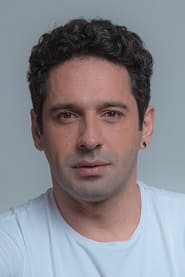
Igor Angelini, portrayed by the actor, is a dedicated Federal Police officer who becomes deeply involved in the Operation Lava Jato investigation. His character is driven by a strong sense of justice and a desire to uncover the truth behind the corruption that has infiltrated Brazil's political and economic systems. Throughout the film, Igor faces numerous challenges, including political pressure and threats to his safety, which test his resolve and commitment to the case.
How does the film depict the relationship between the Federal Police and the judiciary?
The film illustrates a complex relationship between the Federal Police and the judiciary, showcasing moments of collaboration and tension. As the investigation unfolds, the officers often find themselves at odds with judicial authorities who are either hesitant to act or influenced by political interests. This dynamic highlights the struggles faced by the Federal Police in their pursuit of justice, as they navigate a system riddled with corruption and obstacles.
What specific challenges do the characters face while gathering evidence against powerful politicians?
The characters encounter significant challenges while gathering evidence against powerful politicians, including intimidation tactics, threats to their families, and bureaucratic obstacles. The film portrays scenes where officers must conduct covert operations, risking their safety to collect incriminating evidence. The emotional toll of these challenges is evident as the characters grapple with fear, frustration, and the moral weight of their mission.
How does the character of Deltan Dallagnol contribute to the investigation's progress?
Deltan Dallagnol, a key prosecutor in the film, plays a crucial role in advancing the investigation. His character is depicted as passionate and relentless, often pushing the boundaries of legal procedures to ensure that justice is served. Dallagnol's strategic thinking and ability to rally support from other officials help to build a strong case against the corrupt politicians, showcasing his determination to hold them accountable.
What impact does the media coverage have on the investigation and the characters involved?
The media coverage of the investigation significantly impacts both the progress of the case and the personal lives of the characters involved. As the story unfolds, the media's portrayal of the investigation brings public attention and scrutiny, which can either bolster the officers' resolve or create additional pressure. The film depicts scenes where characters react to media reports, highlighting their emotional responses to public opinion and the challenges of maintaining integrity in the face of sensationalism.
Is this family friendly?
"Polícia Federal: A Lei é Para Todos - Os Bastidores da Operação Lava Jato" contains several elements that may not be suitable for children or sensitive viewers. Here are some potentially objectionable aspects:
-
Corruption and Crime: The film delves into themes of political corruption, money laundering, and organized crime, which may be complex and unsettling for younger audiences.
-
Violence: There are scenes depicting confrontations and the tension surrounding police operations that may include aggressive behavior or threats.
-
Strong Language: The dialogue includes instances of strong language that may not be appropriate for children.
-
Moral Ambiguity: The film explores the gray areas of morality in law enforcement and politics, which might be confusing or distressing for younger viewers.
-
Emotional Strain: Characters experience significant stress, betrayal, and moral dilemmas, which could evoke strong emotional responses.
These elements contribute to a narrative that is more suited for mature audiences, particularly those interested in political dramas and real-life events.








