





Popular
What songs does Alice Cooper perform during the Wacken 2017 concert?
How does Alice Cooper's stage presence contribute to the concert experience?
What visual elements are prominent in the Wacken 2017 performance?
How does the audience react to Alice Cooper's performance at Wacken 2017?
What themes are explored through Alice Cooper's performance at Wacken 2017?
Should I watch it?
Ask Your Own Question

What is the plot?
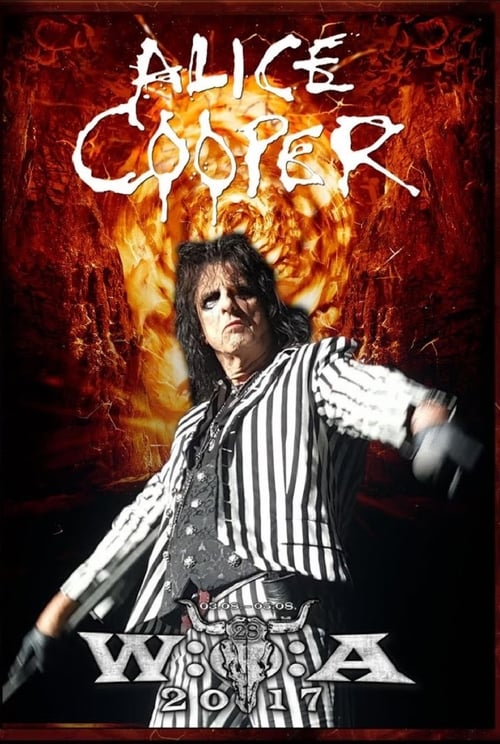
At Wacken Open Air in Wacken, Germany, on August 5, 2017, Alice Cooper does not enter a traditional story at all; he walks into the roaring machinery of his own horror-rock theater, where the "plot" is built from song, smoke, blood-red lighting, and recurring macabre gags rather than characters with private histories or a conventional narrative arc. The night opens with a surge of menace as "Brutal Planet" detonates across the main stage, and the crowd is immediately pulled into a world that feels less like a concert and more like a haunted carnival brought to life. Cooper stands at the center of it like a ringmaster and antihero rolled into one, the air around him thick with riffs, flashbulbs, and the expectation that anything grotesque can and will happen next.
From the beginning, the performance moves with a deliberate, cinematic momentum. "No More Mr. Nice Guy" and "Under My Wheels" follow, snapping the mood from apocalyptic dread into swaggering hard-rock rebellion. Alice Cooper works the stage with the confidence of a veteran conjurer, making even the simplest motions feel like part of a larger ritual. The setting never changes in any meaningful narrative sense--the entire spectacle remains on the festival's main stage--but the visual language shifts constantly, and that gives the show its momentum. Lights flare, the band locks into a tighter groove, and the set starts to feel like a descent through Cooper's most iconic nightmares.
As the concert pushes onward, the sequence deepens into one of self-mythology. "The World Needs Guts" and "Woman of Mass Distraction" keep the engine moving, with the latter adding a sly, poisonous edge that fits the show's gleeful theatricality. Nita Strauss's guitar feature punctuates the performance with a flash of technical bravado, briefly pulling focus away from Cooper and letting the band's precision sharpen the larger spectacle. Then "Poison" arrives like one of the evening's big emotional peaks, its melody turning the crowd into a choir of recognition. The song functions as a central revelation of the show's identity: this is not merely a sequence of old hits, but a carefully staged reminder that Alice Cooper has spent decades turning shock into pop theater.
The horror imagery becomes more explicit as the set reaches "Halo of Flies" and then "Feed My Frankenstein." This is where the stage show tips fully into monstrous transformation. Cooper enters a Frankenstein-like sequence with blood-and-lab imagery, becoming a stitched-together creature through theatrical effects and costume illusion. The transformation is not treated as a naturalistic event; it is deliberately exaggerated, the sort of over-the-top metamorphosis that only makes sense within the carnival logic of shock rock. The audience watches him swell into a giant, lumbering monster figure, and the performance momentarily becomes a kind of comic-horror resurrection. There is no real death here, only the simulation of creation through grotesque reinvention. The point is not that someone dies, but that Alice Cooper can die and be reborn as a different nightmare whenever the show demands it.
The mood then twists again with "Cold Ethyl," where the performance turns darkly playful and flirtatious in the way only Cooper can manage. The theatrics sharpen rather than soften. Soon after, "Only Women Bleed" becomes one of the set's most unsettling staging choices, with a female-presenting prop or performer drawn into a violent, mock-horrific tableau. The scene is not presented as a literal murder in a story sense, but as a stylized confrontation in which vulnerability is turned into a spectacle of menace. Cooper's persona here is both predatory and theatrical, a haunted showman acting out old taboos in a way meant to provoke rather than narrate. The confrontation ends not with a plot resolution but with the stage show reasserting itself: the image lingers, then dissolves back into music.
The show then enters one of its most recognizable horror sequences with "Paranoiac Personality." A nurse-like figure, often described in a way that evokes Harley Quinn-style asylum imagery, appears to restrain Cooper in a straitjacket. This is the closest the performance comes to a dramatic conflict with a beginning, middle, and end. The nurse becomes the jailer of the show's monstrous protagonist, and Cooper thrashes against the restraint as if trapped inside his own nightmare. The confinement reads like an asylum fantasy pulled from the deepest corners of the Alice Cooper stage mythos: the singer as patient, inmate, madman, and escaped ghoul all at once. The tension here comes from the sense that the show's central figure is being contained only temporarily, and that containment cannot possibly last.
That fear proves justified as the concert surges toward its climax. "Ballad of Dwight Fry" extends the asylum imagery with eerie pathos, Cooper leaning into the voice of the unstable and the broken. The song's emotional tone is haunted rather than simply aggressive, making the stage horror feel more tragic for a moment. Then "Killer / I Love the Dead" pushes the show back into corpse-laced theatrics, the performance reveling in macabre imagery without ever pretending to be real violence. No actual death occurs; instead, the concert invokes death as a motif, a costume, a piece of furniture in the long tradition of Alice Cooper's stagecraft. The crowd is not asked to mourn anyone. It is asked to stare into the joke and the nightmare at the same time.
"I'm Eighteen" follows, and its youthful defiance becomes a strange kind of late-set exorcism. The song bridges generations of Cooper's identity, folding the older monster persona back into the adolescent rebellion that originally made it possible. The concert has now become a story about endurance more than danger: the performer has survived every transformation, every blade, every asylum, and he is still standing under the lights. That survival is crucial, because it sets up the final theatrical execution. The tension has nowhere left to go but into the guillotine.
At the end, "School's Out" detonates with the power of a victory cry, and depending on the presentation, it arrives with the added bite of "Another Brick in the Wall, Part 2," turning the finale into a riot of anti-authority celebration. This is the moment when the show's emotional logic reaches full release. The entire concert has been building toward this communal shout of liberation, and the audience gets it in full force. Yet the finale still has one more trick. An encore-like closing burst arrives with "Ace of Spades," with Chuck Garric taking lead vocals on the Motörhead cover, sending the set out on a harder, rougher note that functions like a last blast of defiance after the theatrical curtain has nearly fallen.
Between those closing surges, the show's central "resolution" unfolds in its most iconic horror image. Cooper struggles against the nurse-like figure, trapped in the straitjacket, and at one point he appears to try to choke or fight back using the sleeve of the restraint, but the struggle is staged as a losing battle. He cannot defeat the machinery of his own execution. The guillotine descends, and the show delivers its climactic fake-death gag with perfect shock-rock timing. This is the theatrical "death" of the night, and it is both the culmination of the asylum storyline and the ultimate reminder that Alice Cooper's stage persona has always been built to be killed and resurrected in front of the crowd. The execution is the climax, but it is not an ending in the mortal sense. It is a ritual reset.
After the guillotine moment, Cooper returns transformed, emerging in a gold outfit and carrying a cane- or crutch-like prop, as if he has risen from his own execution dressed for the curtain call. The image is triumphant and absurd at once: the condemned man returns as a glamorous survivor, still in command of the stage, still owning the audience. This final visual reversal is the performance's last revelation. The monster, the patient, the victim, and the showman are all the same figure, and none of the stage violence has ever been able to contain him for long. By the time the concert ends, there are no lives lost, no true deaths to tally, and no hidden mystery left unsolved--only the completed arc of a horror-rock set that uses every prop, costume change, and musical hit to reaffirm Alice Cooper's enduring stage mythology.
The last scene is pure release: the band drives the final notes home, the crowd answers in full voice, and the night closes not with silence but with the lingering image of a performer who has been executed, resurrected, and applauded for both. The resolution is simple and total. Alice Cooper survives because the show demands it, and the show ends because the ritual is complete.









What is the ending?
The ending of "Alice Cooper: Wacken 2017" showcases a climactic performance by Alice Cooper at the Wacken Open Air festival. The concert culminates in a powerful display of theatricality, with Alice engaging the audience and delivering a memorable rendition of his classic hits. The show concludes with a sense of triumph and celebration, leaving the audience exhilarated and fulfilled.
As the concert progresses towards its conclusion, the atmosphere is electric. The stage is adorned with elaborate props, and the lighting shifts dramatically, casting vibrant colors across the crowd. Alice Cooper, dressed in his iconic stage attire, exudes charisma and energy, captivating the audience with his presence. The band plays with precision, each note resonating with the fervor of the fans.
In the final moments of the performance, Alice engages with the audience, encouraging them to sing along and participate in the experience. The crowd responds with enthusiasm, their voices rising in unison, creating a powerful sense of community. As the last song reaches its peak, fireworks explode in the night sky, illuminating the festival grounds and marking the culmination of an unforgettable show.
Alice Cooper stands at the center of the stage, a figure of rock and roll legend, basking in the adoration of his fans. The concert ends on a high note, with Alice taking a moment to express his gratitude to the audience, acknowledging their support throughout his career. The screen fades to black, leaving viewers with a sense of closure and celebration of the music and the shared experience of the festival.
In this final scene, the key points of the movie are highlighted: the enduring power of music, the connection between the artist and the audience, and the celebration of life through rock and roll. Alice Cooper, as the central character, embodies the spirit of resilience and creativity, having maintained his passion for performance over the years. The audience, a diverse group of fans, reflects the universal appeal of his music, united in their love for the art form. The ending serves as a testament to the impact of live performances and the joy they bring to both the artist and the fans.
Is there a post-credit scene?
Alice Cooper: Wacken 2017 does not feature a post-credit scene. The film primarily focuses on the live performance of Alice Cooper at the Wacken Open Air festival in Germany, showcasing his theatrical stage presence, elaborate costumes, and iconic rock music. The concert captures the energy of the crowd and the artistry of Cooper's performance, but it concludes without any additional scenes or content after the credits. The emphasis remains on the music and the experience of the festival rather than any narrative continuation.
What songs does Alice Cooper perform during the Wacken 2017 concert?
Alice Cooper performs a selection of his classic hits during the Wacken 2017 concert, including 'School's Out', 'No More Mr. Nice Guy', and 'Poison', showcasing his theatrical style and engaging the audience with his signature rock performance.
How does Alice Cooper's stage presence contribute to the concert experience?
Alice Cooper's stage presence is characterized by his dramatic persona, elaborate costumes, and theatrical props, such as guillotines and snakes, which enhance the concert experience and create a captivating atmosphere for the audience.
What visual elements are prominent in the Wacken 2017 performance?
The Wacken 2017 performance features striking visual elements, including elaborate lighting effects, pyrotechnics, and a dynamic stage setup that complements Alice Cooper's theatrical style, immersing the audience in a vivid rock spectacle.
How does the audience react to Alice Cooper's performance at Wacken 2017?
The audience at Wacken 2017 reacts with enthusiasm and excitement, singing along and cheering as Alice Cooper delivers his iconic songs, creating a lively and energetic atmosphere that reflects the crowd's deep connection to his music.
What themes are explored through Alice Cooper's performance at Wacken 2017?
Through his performance at Wacken 2017, Alice Cooper explores themes of rebellion and theatricality, using his music and stage antics to challenge societal norms and engage the audience in a shared experience of rock and roll escapism.
Is this family friendly?
Alice Cooper: Wacken 2017 is a concert film that captures the energy and theatricality of Alice Cooper's live performance at the Wacken Open Air festival in Germany. While the film showcases incredible music and stage presence, it does contain elements that may not be considered family-friendly.
-
Theatrical Violence: Alice Cooper is known for his shock rock style, which includes theatrical depictions of violence. This may involve props like fake guillotines, blood, and other macabre imagery that could be unsettling for children or sensitive viewers.
-
Dark Themes: The performance often explores themes of death, horror, and the macabre, which are central to Cooper's artistic persona. These themes may not be suitable for younger audiences.
-
Costumes and Makeup: The elaborate costumes and makeup, while visually striking, can be quite dark and may include elements that some might find frightening or inappropriate for children.
-
Audience Interaction: The concert atmosphere includes intense crowd reactions and interactions that might be overwhelming for younger viewers or those who are sensitive to loud music and large crowds.
Overall, while the film is a celebration of rock music and performance art, its content may not align with family-friendly viewing, particularly for younger children or those who are easily disturbed by horror-themed elements.