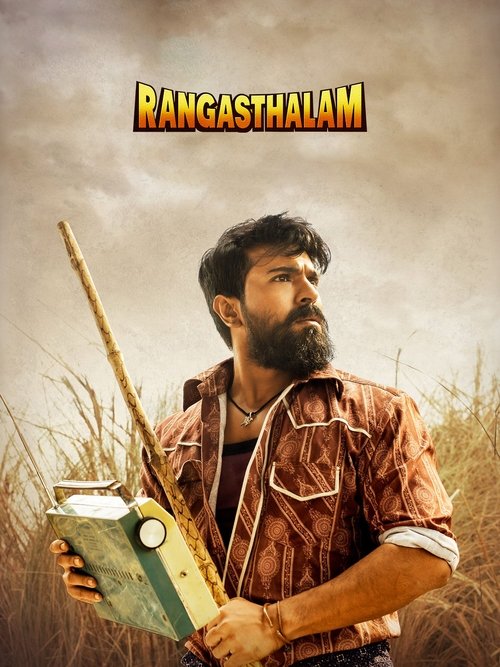




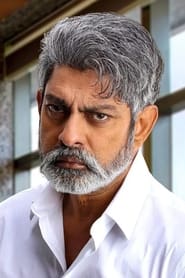













Popular
What motivates Chitti Babu to seek revenge against the village head, Phanindra Bhupathi?
How does the relationship between Chitti Babu and his love interest, Samantha's character, evolve throughout the film?
What role does the village's traditional festival play in the story, particularly in relation to the climax?
How does the character of Phanindra Bhupathi embody the themes of power and corruption in the film?
What is the significance of Chitti Babu's hearing impairment in the narrative?
Should I watch it?
Ask Your Own Question

What is the plot?
Sorry, we aren't able to watch and write up a full detailed plot yet. Check back in a few days.



What is the ending?
In the ending of "Rangasthalam," Chitti Babu confronts the corrupt village president, who is responsible for the suffering of the villagers. After a series of intense confrontations, Chitti Babu avenges his brother's death and the oppression faced by the villagers. The film concludes with a sense of justice being served, as the villagers rally together, and Chitti Babu finds a semblance of peace.
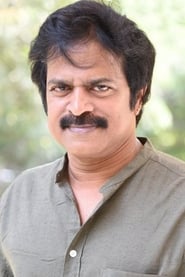
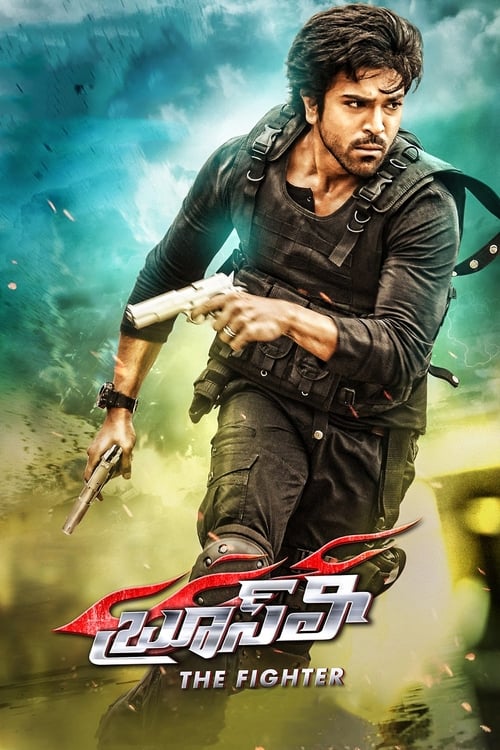
As the climax of "Rangasthalam" unfolds, the tension in the village reaches a boiling point. Chitti Babu, portrayed by Ram Charan, is driven by a deep sense of justice and the pain of losing his brother, Kumar Babu, who was brutally murdered by the corrupt village president, Phanindra Bhupathi, played by Jagapathi Babu. The emotional weight of Kumar Babu's death hangs heavily over Chitti Babu, fueling his determination to confront the oppressive regime that has plagued their village.
In the first scene of the ending sequence, Chitti Babu gathers the villagers, who have been suffering under Phanindra's tyrannical rule. The atmosphere is charged with a mix of fear and hope as Chitti Babu passionately speaks about the need to stand up against the injustices they have faced. His words resonate deeply with the villagers, igniting a spark of rebellion within them. They begin to rally behind him, united in their desire for change.
The next scene shifts to Phanindra's stronghold, where he is seen surrounded by his henchmen, exuding arrogance and confidence. He underestimates Chitti Babu and the villagers, believing that his power is unshakeable. However, the villagers, emboldened by Chitti Babu's leadership, devise a plan to confront Phanindra and his men. The tension builds as they prepare for the inevitable clash.
As night falls, the villagers, armed with makeshift weapons, approach Phanindra's residence. The scene is dark and foreboding, with shadows dancing across the walls, symbolizing the fear and uncertainty that looms over them. Chitti Babu leads the charge, his face a mask of determination and rage. The confrontation is intense, filled with physical altercations and emotional outbursts. Chitti Babu's internal struggle is palpable; he is torn between his desire for revenge and the need to protect his community.
In a pivotal moment, Chitti Babu finally comes face to face with Phanindra. The tension is electric as they exchange heated words, each representing the opposing forces of justice and tyranny. Chitti Babu's anger boils over as he recalls the pain of losing his brother, and in a climactic showdown, he confronts Phanindra with a fierce resolve. The fight is brutal, showcasing Chitti Babu's strength and determination to avenge his brother's death.
As the battle rages on, the villagers join in, fighting alongside Chitti Babu against Phanindra's men. The scene is chaotic, filled with shouts and the sounds of clashing metal, symbolizing the struggle for freedom and justice. In the midst of the chaos, Chitti Babu manages to overpower Phanindra, delivering a final blow that signifies not just personal revenge but a collective victory for the villagers.
In the aftermath of the confrontation, the village is transformed. The oppressive rule of Phanindra is dismantled, and the villagers begin to rebuild their lives. Chitti Babu stands amidst them, a symbol of hope and resilience. The emotional weight of the journey is evident on his face; he has avenged his brother and liberated his community, but the scars of loss remain.
The film concludes with a poignant scene of the villagers coming together, celebrating their newfound freedom. Chitti Babu, though victorious, carries the burden of his brother's memory. The final shot captures him looking out over the village, a mixture of triumph and sorrow etched on his features. The fate of the main characters is clear: Chitti Babu emerges as a leader, the villagers reclaim their dignity, and Phanindra's reign of terror comes to an end, leaving behind a legacy of resilience and unity.
Is there a post-credit scene?
In the movie "Rangasthalam," there is no post-credit scene. The film concludes with a powerful climax and resolution that ties up the main narrative threads. After the intense confrontation between Chitti Babu and the antagonist, the story wraps up with a poignant reflection on the sacrifices made and the impact of the events on the characters' lives. The absence of a post-credit scene allows the audience to fully absorb the emotional weight of the film's conclusion without any additional content.
What motivates Chitti Babu to seek revenge against the village head, Phanindra Bhupathi?
Chitti Babu, played by Ram Charan, is driven by a deep sense of justice and personal loss. After his brother, who is mentally challenged, is brutally murdered by Phanindra Bhupathi's men, Chitti Babu's grief transforms into a burning desire for revenge. His internal struggle is marked by a mix of sorrow and anger, as he grapples with the loss of his brother and the oppressive rule of the village head.
How does the relationship between Chitti Babu and his love interest, Samantha's character, evolve throughout the film?
Chitti Babu's relationship with Ramalakshmi, portrayed by Samantha Ruth Prabhu, begins with a playful and flirtatious tone, showcasing their chemistry and mutual affection. As the story progresses, their bond deepens, especially as Ramalakshmi becomes aware of Chitti Babu's quest for revenge. Her concern for his safety and emotional well-being adds layers to their relationship, highlighting the tension between love and the violent world surrounding them.
What role does the village's traditional festival play in the story, particularly in relation to the climax?
The village's traditional festival serves as a crucial backdrop for the climax of Rangasthalam. It symbolizes the community's spirit and unity, but it also becomes a stage for confrontation. During the festival, Chitti Babu's plan to confront Phanindra Bhupathi culminates in a dramatic showdown, where the festive atmosphere contrasts sharply with the violence that ensues. This setting amplifies the stakes, as the community witnesses the clash between good and evil.
How does the character of Phanindra Bhupathi embody the themes of power and corruption in the film?
Phanindra Bhupathi, played by Jagapathi Babu, is a tyrannical village head whose character is a representation of power and corruption. His ruthless methods of maintaining control over the villagers, including intimidation and violence, reveal his moral decay. His interactions with Chitti Babu highlight the stark contrast between the oppressed villagers and the corrupt elite, showcasing how his character's motivations are driven by greed and a desire to instill fear.
What is the significance of Chitti Babu's hearing impairment in the narrative?
Chitti Babu's hearing impairment is a significant aspect of his character, influencing both his interactions and his perception of the world around him. It adds depth to his character, as he navigates life with a unique perspective. This impairment also serves as a metaphor for the larger theme of being unheard in a society dominated by oppressive forces. His struggle to communicate and be understood mirrors the villagers' plight against Phanindra Bhupathi's tyranny.
Is this family friendly?
"Rangasthalam," while a compelling narrative, contains several elements that may not be suitable for children or sensitive viewers. Here are some potentially objectionable or upsetting aspects:
-
Violence: The film features scenes of physical violence, including fights and confrontations that can be intense and graphic. This includes depictions of injuries and blood.
-
Corruption and Oppression: The storyline revolves around themes of political corruption and the oppression of villagers, which may be distressing for younger audiences.
-
Death: There are moments that involve the death of characters, which can evoke strong emotional responses and may be upsetting.
-
Emotional Turmoil: Characters experience significant emotional struggles, including betrayal, loss, and grief, which may be heavy for sensitive viewers.
-
Substance Abuse: There are references to alcohol consumption and its effects on characters, which may not be appropriate for younger audiences.
-
Social Issues: The film addresses serious social issues, including class struggles and the impact of power dynamics on communities, which may be complex for children to understand.
These elements contribute to the film's mature themes and emotional depth, making it more suitable for older teens and adults.