







Popular
What is the significance of the character Yamanbagiri Kunihiro in the story?
How does the relationship between the characters Tsurumaru Kuninaga and Yamanbagiri Kunihiro develop throughout the story?
What challenges do the Touken Danshi face in their mission during the story?
What role does the setting of Odawara play in the narrative?
How does the character of Kiyomitsu Kashuu influence the dynamics among the Touken Danshi?
Should I watch it?
Ask Your Own Question

What is the plot?
Sorry, we aren't able to watch and write up a full detailed plot yet. Check back in a few days.








What is the ending?
In the ending of "Touken Ranbu Gaiden: The Stage - Kono Yora no Odawara," the characters face a climactic battle against the forces of history that threaten to disrupt the timeline. After a series of intense confrontations, the main characters manage to protect the timeline and restore peace. The bonds formed between the characters are highlighted, showcasing their growth and commitment to their mission. Ultimately, they succeed in their task, but the emotional weight of their journey leaves a lasting impact on them.
As the final act unfolds, the stage is set in the historic town of Odawara, where the tension is palpable. The air is thick with anticipation as the Touken Danshi, the sword warriors brought to life from famous Japanese swords, prepare for the decisive battle against the Time Retrograde Army. The sun sets, casting a golden hue over the landscape, symbolizing both the end of a day and the culmination of their efforts.
The scene opens with the Touken Danshi gathering in a strategic formation, their expressions a mix of determination and anxiety. Among them, Mikazuki Munechika stands tall, his resolve unwavering. He knows the stakes are high; failure could mean the unraveling of history itself. The camaraderie among the group is evident as they exchange encouraging words, reinforcing their bond and shared purpose.
As the battle commences, the sound of clashing swords fills the air. The choreography is dynamic, showcasing each character's unique fighting style. The audience can feel the weight of each strike, the desperation in their movements as they fend off the relentless waves of enemies. The choreography is not just a display of skill but also a reflection of their inner struggles and the burdens they carry.
In a pivotal moment, Yamanbagiri Kunihiro, who has been grappling with his own insecurities, steps forward to confront a formidable opponent. His internal conflict is palpable; he fears he may not be strong enough. However, as he fights, he recalls the support of his comrades, which fuels his determination. The scene is charged with emotion as he overcomes his doubts, ultimately defeating his adversary and proving his worth.
Meanwhile, the leader of the Time Retrograde Army, a shadowy figure, looms in the background, orchestrating the chaos. The Touken Danshi realize that to truly end the conflict, they must confront this leader directly. The tension escalates as they strategize, each character stepping up to take on a role that plays to their strengths. The audience witnesses a powerful moment of unity as they combine their abilities, showcasing the theme of teamwork and trust.
As the final confrontation unfolds, the battle reaches its climax. The Touken Danshi, now fully in sync, launch a coordinated attack against the leader. The choreography is breathtaking, a dance of blades that culminates in a spectacular display of light and energy. The leader, overwhelmed by their combined strength, is ultimately defeated, and the timeline begins to stabilize.
In the aftermath, the scene shifts to a quieter moment. The Touken Danshi stand together, breathing heavily, their faces reflecting a mix of relief and exhaustion. They have succeeded in their mission, but the emotional toll is evident. Each character takes a moment to reflect on their journey, the friendships forged, and the sacrifices made. Mikazuki, in particular, expresses gratitude for his companions, acknowledging that their strength lies not just in their swords but in their bonds.
As the sun rises, symbolizing a new beginning, the characters prepare to return to their respective timelines. They share heartfelt farewells, promising to remember the lessons learned and the connections made. The final scene captures their silhouettes against the dawn, a poignant reminder of their shared experiences and the enduring impact of their journey.
In conclusion, the fate of each main character is one of growth and resilience. Mikazuki Munechika emerges as a leader, strengthened by his experiences. Yamanbagiri Kunihiro finds confidence in his abilities, having overcome his insecurities. The bonds they formed throughout the battle serve as a testament to their commitment to protecting history and each other, leaving the audience with a sense of hope and the importance of unity in the face of adversity.
Is there a post-credit scene?
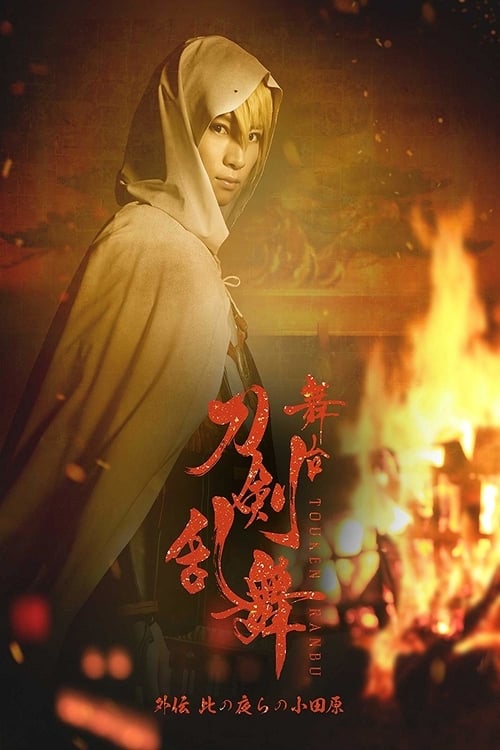
In "Touken Ranbu Gaiden: The Stage - Kono Yora no Odawara," there is indeed a post-credit scene that adds an intriguing layer to the narrative.
As the credits roll, the scene opens in a serene, moonlit garden, where the atmosphere is calm and reflective. The camera pans slowly, revealing a few of the Touken Danshi, the sword warriors, gathered together. They are engaged in light-hearted banter, showcasing their camaraderie and the bonds they have formed throughout their journey.
Suddenly, the mood shifts as a mysterious figure appears in the shadows, cloaked and enigmatic. The Touken Danshi sense a change in the air, their expressions shifting from joy to caution. The figure steps forward, revealing a familiar face, but with an air of uncertainty and a hint of menace. This character, who has been hinted at throughout the story, brings a sense of foreboding and raises questions about future conflicts.
The scene concludes with a close-up of the character's eyes, filled with determination and a hint of sorrow, suggesting a complex backstory and motivations that will unfold in future narratives. The screen fades to black, leaving the audience with a sense of anticipation and curiosity about what lies ahead for the Touken Danshi and the challenges they will face.
What is the significance of the character Yamanbagiri Kunihiro in the story?
Yamanbagiri Kunihiro plays a pivotal role in 'Touken Ranbu Gaiden: The Stage - Kono Yora no Odawara.' He is portrayed as a stoic and serious character, often burdened by the weight of his responsibilities. His internal conflict revolves around his desire to protect his comrades while grappling with the fear of failure. This emotional depth is highlighted during key scenes where he reflects on his past and the sacrifices made by those before him, showcasing his growth throughout the narrative.
How does the relationship between the characters Tsurumaru Kuninaga and Yamanbagiri Kunihiro develop throughout the story?
The relationship between Tsurumaru Kuninaga and Yamanbagiri Kunihiro evolves significantly in 'Kono Yora no Odawara.' Initially, Tsurumaru's playful and carefree demeanor contrasts sharply with Yamanbagiri's serious nature. However, as they face challenges together, Tsurumaru's lightheartedness begins to draw Yamanbagiri out of his shell. Key moments, such as Tsurumaru's unwavering support during battles and his ability to lighten the mood, help Yamanbagiri confront his fears, ultimately leading to a deeper bond built on trust and understanding.
What challenges do the Touken Danshi face in their mission during the story?
In 'Touken Ranbu Gaiden: The Stage - Kono Yora no Odawara,' the Touken Danshi face numerous challenges that test their resolve and teamwork. They must confront powerful enemies from the past, navigate treacherous landscapes, and deal with the emotional toll of their mission. The stakes are raised when they encounter historical figures who threaten the timeline, forcing the Touken Danshi to make difficult decisions that impact their relationships and their sense of duty. These challenges serve to highlight their individual strengths and weaknesses, ultimately shaping their character arcs.
What role does the setting of Odawara play in the narrative?
The setting of Odawara is integral to the narrative of 'Touken Ranbu Gaiden: The Stage - Kono Yora no Odawara.' The historical backdrop of the city, known for its castle and rich history, creates a vivid atmosphere that enhances the story's themes of loyalty and sacrifice. The characters navigate through various locations within Odawara, each filled with historical significance, which adds layers to their mission. The contrast between the serene beauty of the landscape and the intense battles they face underscores the tension in the story, making the setting a character in its own right.
How does the character of Kiyomitsu Kashuu influence the dynamics among the Touken Danshi?
Kiyomitsu Kashuu serves as a catalyst for change among the Touken Danshi in 'Touken Ranbu Gaiden: The Stage - Kono Yora no Odawara.' His charismatic and confident personality often brings a sense of levity to tense situations, but he also challenges his comrades to confront their fears and insecurities. His interactions with other characters, particularly Yamanbagiri Kunihiro, reveal deeper emotional layers and encourage growth. Kiyomitsu's ability to inspire and motivate his fellow Touken Danshi plays a crucial role in their collective success, highlighting the importance of camaraderie and support in their journey.
Is this family friendly?
"Touken Ranbu Gaiden: The Stage - Kono Yora no Odawara" is generally family-friendly, but it does contain some elements that may be considered objectionable or upsetting for children or sensitive viewers. Here are a few aspects to be aware of:
-
Violence: The story involves battles and combat scenes, which may include sword fighting and depictions of injuries. While not graphic, the action may be intense for younger viewers.
-
Dark Themes: The narrative explores themes of loss, duty, and the weight of history, which may be emotionally heavy for some children.
-
Supernatural Elements: The presence of spirits and the concept of time travel may be confusing or unsettling for younger audiences who are not familiar with such themes.
-
Emotional Conflict: Characters experience moments of despair, conflict, and sacrifice, which could evoke strong emotions and may be difficult for sensitive viewers to process.
Overall, while the production is designed to be accessible, parents may want to consider these elements when deciding if it is suitable for their children.