



Popular
What specific topics does Bill Burr address in his stand-up routine during Paper Tiger?
How does Bill Burr's performance style contribute to the themes presented in Paper Tiger?
What personal experiences does Bill Burr share in Paper Tiger that resonate with the audience?
How does Bill Burr address the concept of 'snowflakes' in his routine?
What reactions does Bill Burr elicit from the audience during his performance in Paper Tiger?
Should I watch it?
Ask Your Own Question

What is the plot?
Sorry, we aren't able to watch and write up a full detailed plot yet. Check back in a few days.




What is the ending?
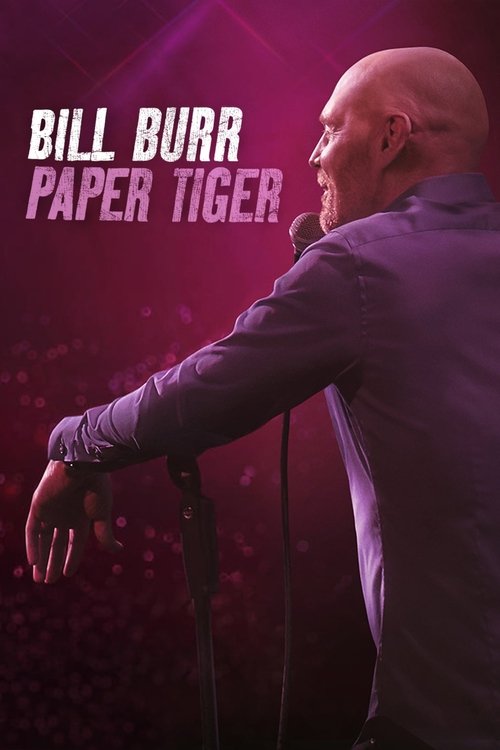
In the ending of "Bill Burr: Paper Tiger," Bill Burr wraps up his stand-up special with a reflection on the current state of society, particularly focusing on the sensitivity surrounding comedy and the reactions to it. He emphasizes the importance of free speech and the challenges comedians face in today's world. The special concludes with Burr expressing his determination to continue performing and pushing boundaries, despite the backlash he may receive.
As the final moments of "Bill Burr: Paper Tiger" unfold, the scene is set in a packed theater, the audience buzzing with anticipation. Bill Burr takes the stage, his presence commanding and confident. He begins to address the crowd with a mix of humor and seriousness, setting the tone for the conclusion of his performance.
Burr dives into a discussion about the current cultural climate, where he feels that comedy is under siege. He shares anecdotes from his experiences, illustrating how the landscape has changed and how comedians are often scrutinized for their material. His tone shifts between frustration and determination, revealing his internal conflict as he grapples with the implications of censorship and the fear of offending people.
As he continues, Burr recounts specific instances where he faced backlash for his jokes, detailing the reactions from audiences and critics alike. He uses these stories to highlight the absurdity of the situation, making the audience laugh while simultaneously provoking thought. His delivery is passionate, and the emotional weight of his words resonates with the crowd, who respond with laughter and applause.
In the final moments, Burr makes a powerful statement about the essence of comedy. He emphasizes that comedians should be able to express themselves freely, regardless of the potential for offense. His conviction is palpable, and the audience is visibly engaged, reflecting a shared understanding of the challenges faced by artists in a sensitive world.
As he wraps up his set, Burr leaves the audience with a sense of empowerment. He encourages them to embrace humor and not shy away from difficult topics. The lights dim slightly, and the applause swells, filling the theater with a sense of camaraderie and support for Burr's message.
The special concludes with Burr standing confidently on stage, a smile on his face as he acknowledges the audience's appreciation. He exits the stage, leaving behind a lingering sense of inspiration and a call to action for both comedians and audiences alike to champion the freedom of expression. The credits roll, and the audience is left to reflect on the themes of resilience and the importance of laughter in navigating a complex world.
Is there a post-credit scene?
In "Bill Burr: Paper Tiger," there is no post-credit scene. The special concludes with Burr delivering his final thoughts and wrapping up his performance, leaving the audience with a sense of closure. The focus remains on his stand-up routine, which critiques various social issues and the current cultural climate, rather than extending into any additional scenes or content after the credits. The absence of a post-credit scene aligns with the straightforward nature of the stand-up format, emphasizing Burr's comedic narrative without further embellishment.
What specific topics does Bill Burr address in his stand-up routine during Paper Tiger?
In 'Bill Burr: Paper Tiger', Bill Burr tackles a variety of contemporary issues including political correctness, cancel culture, and the absurdities of modern society. He shares personal anecdotes and observations about parenting, relationships, and the challenges of navigating a world that seems overly sensitive.
How does Bill Burr's performance style contribute to the themes presented in Paper Tiger?
Bill Burr's performance style in 'Paper Tiger' is characterized by his energetic delivery, sharp wit, and candidness. His ability to blend humor with serious commentary allows him to engage the audience while provoking thought about the topics he discusses. His physicality on stage, including expressive gestures and facial expressions, enhances the comedic impact of his observations.
What personal experiences does Bill Burr share in Paper Tiger that resonate with the audience?
In 'Paper Tiger', Bill Burr shares personal experiences such as his reflections on fatherhood, his marriage, and the challenges of raising a daughter in today's world. He recounts humorous yet relatable stories about parenting, including the pressures of being a good father and the generational differences in parenting styles.
How does Bill Burr address the concept of 'snowflakes' in his routine?
Bill Burr addresses the concept of 'snowflakes' by critiquing the overly sensitive nature of some individuals in society. He uses humor to highlight the absurdity of certain reactions to jokes and comments, suggesting that people need to develop thicker skin and not take offense so easily. His commentary is both provocative and comedic, aiming to challenge the audience's perspectives.
What reactions does Bill Burr elicit from the audience during his performance in Paper Tiger?
Throughout 'Paper Tiger', Bill Burr elicits a range of reactions from the audience, including laughter, gasps, and moments of reflection. His bold statements and controversial topics often lead to a mix of applause and stunned silence, as he pushes the boundaries of comedy. Burr's ability to provoke thought while entertaining creates a dynamic atmosphere, where the audience is both engaged and challenged.
Is this family friendly?
"Bill Burr: Paper Tiger" is a stand-up comedy special that features adult themes and language, making it generally unsuitable for children and sensitive viewers. Here are some potentially objectionable aspects:
-
Strong Language: The special contains frequent use of profanity, which may be inappropriate for younger audiences.
-
Adult Themes: Burr discusses topics such as relationships, gender issues, and societal norms in a candid and often controversial manner.
-
Dark Humor: Some jokes touch on sensitive subjects, including mental health and personal struggles, which may be upsetting to some viewers.
-
Political Commentary: Burr's take on current events and political correctness may be provocative and could offend those with differing viewpoints.
-
Sexual Content: There are references to sexual situations and adult relationships that may not be suitable for younger viewers.
Overall, the content is geared towards an adult audience and may not be appropriate for children or those who are sensitive to explicit material.








