



No Image
Popular
How does the setting of Paris influence the characters in La Bohème?
What is the relationship between Rodolfo and Mimì in La Bohème?
How does the character of Marcello influence the story of La Bohème?
What role does Musetta play in the dynamics of the group of friends?
What is the significance of Mimì's illness in the story?
Should I watch it?
Ask Your Own Question

What is the plot?
Sorry, we aren't able to watch and write up a full detailed plot yet. Check back in a few days.
More Movies Like This
Browse All Movies →



What is the ending?
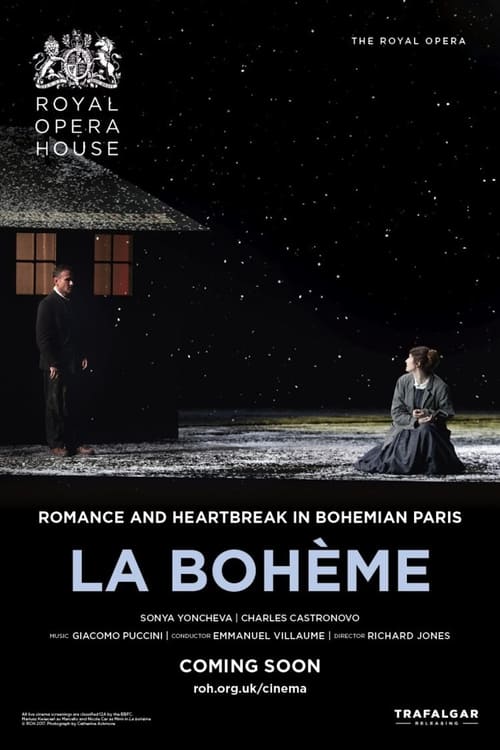
In the ending of the Royal Opera House's La Bohème, Mimì succumbs to her illness, and Rodolfo is left heartbroken. The final moments depict Rodolfo's profound grief as he recalls their love, surrounded by memories of their time together.
As the final act unfolds, the scene is set in Rodolfo's modest apartment, dimly lit and filled with a sense of impending sorrow. The atmosphere is heavy with the weight of Mimì's illness, which has worsened significantly. Rodolfo, filled with a mix of hope and despair, tends to Mimì, who is frail and weak. Their love, once vibrant and full of life, is now overshadowed by the reality of her deteriorating health.
Mimì, despite her condition, tries to maintain a semblance of joy. She reminisces about their past, recalling the beautiful moments they shared in the bohemian lifestyle of Paris. Rodolfo, desperate to keep her spirits up, engages in tender conversations, but the underlying tension of her illness looms over them both. The love they share is palpable, yet it is tinged with the sadness of what is to come.
As the scene progresses, Mimì's strength wanes. She becomes increasingly fatigued, and Rodolfo's concern deepens. He holds her close, whispering sweet nothings and expressing his undying love. The emotional intensity builds as Mimì, in a moment of clarity, acknowledges her impending fate. She urges Rodolfo to remember her not in sorrow but in joy, asking him to cherish their memories together.
In a heart-wrenching climax, Mimì's breathing becomes labored, and she slips into unconsciousness. Rodolfo, panicking, calls for help, but it becomes clear that time is running out. The urgency of the moment is palpable as he cradles her in his arms, tears streaming down his face. The love that once brought them together now feels like a cruel reminder of their impending separation.
As Mimì takes her last breath, the room is filled with an overwhelming silence. Rodolfo, devastated, is left alone with his grief. He clings to her lifeless body, his heart shattered. The final moments of the opera are marked by Rodolfo's anguished cries, echoing the profound loss he has suffered. The stage dims, leaving Rodolfo in darkness, symbolizing the void left by Mimì's absence.
In the end, Rodolfo is left to grapple with the memories of their love, haunted by the loss of the woman who brought him joy. The opera concludes with a poignant reminder of the fragility of life and love, leaving the audience to reflect on the beauty and tragedy of their story.
Is there a post-credit scene?
The movie "Royal Opera House: La Bohème," produced in 2020, does not feature a post-credit scene. The production focuses on the poignant and tragic love story of Rodolfo and Mimì, set against the backdrop of bohemian Paris. The narrative concludes with the emotional climax of the opera, leaving audiences with the powerful impact of the story without any additional scenes after the credits. The emphasis remains on the themes of love, loss, and the fleeting nature of life, encapsulated in the final moments of the opera.
How does the setting of Paris influence the characters in La Bohème?
The setting of Paris in La Bohème is not just a backdrop but a living entity that shapes the characters' experiences and emotions. The bohemian lifestyle of the artists is depicted through their struggles with poverty and their passionate pursuits of art and love. The vibrant streets, cafes, and the iconic landmarks of Paris serve as a canvas for their dreams and aspirations, while also reflecting the harsh realities they face. The city embodies both the beauty and the tragedy of their lives, influencing their relationships and choices throughout the opera.
What is the relationship between Rodolfo and Mimì in La Bohème?
Rodolfo and Mimì share a passionate yet tumultuous love story that is central to La Bohème. Their relationship begins when Rodolfo, a struggling poet, meets Mimì, a fragile seamstress, in his Parisian garret. Their initial connection is marked by romantic idealism and deep emotional resonance, as they bond over their dreams and aspirations. However, as the story progresses, their love is tested by poverty, illness, and the harsh realities of life, leading to moments of both intense joy and profound sorrow.
How does the character of Marcello influence the story of La Bohème?
Marcello, a painter and Rodolfo's close friend, serves as a foil to Rodolfo's character. He is deeply in love with Musetta, a vivacious woman who embodies both passion and capriciousness. Marcello's struggles with his relationship reflect the broader themes of love and heartache in La Bohème. His interactions with Musetta reveal the complexities of love, as he oscillates between desire and frustration, ultimately showcasing the bittersweet nature of romantic relationships.
What role does Musetta play in the dynamics of the group of friends?
Musetta is a vibrant and spirited character who brings both joy and chaos to the group of friends. Her flirtatious nature and strong personality often create tension, especially in her relationship with Marcello. Musetta's entrance into the story is marked by her desire to reclaim Marcello's attention, leading to a dramatic confrontation that highlights her emotional depth and vulnerability. Her character adds a layer of complexity to the narrative, illustrating the interplay of love, jealousy, and reconciliation among the friends.
What is the significance of Mimì's illness in the story?
Mimì's illness is a pivotal element in La Bohème, symbolizing the fragility of life and love. Her declining health serves as a catalyst for the emotional turmoil between her and Rodolfo, highlighting the themes of loss and sacrifice. As her condition worsens, it brings to the forefront the stark contrast between their passionate love and the inevitable tragedy that looms over them. Mimì's illness not only deepens the emotional stakes of their relationship but also serves as a poignant reminder of the harsh realities faced by the bohemian artists.
Is this family friendly?
The 2020 production of Royal Opera House: La Bohème contains several elements that may be considered objectionable or upsetting for children or sensitive viewers.
-
Themes of Illness and Death: The story revolves around the struggles of young artists living in poverty, and it includes the tragic illness of one of the main characters, which may be distressing.
-
Depictions of Poverty: The characters experience significant hardship and emotional turmoil due to their financial struggles, which could be upsetting for younger audiences.
-
Romantic Relationships: The opera explores complex romantic relationships, including themes of love, loss, and heartbreak, which may be difficult for some children to understand.
-
Emotional Intensity: The characters experience deep emotional highs and lows, including moments of despair and longing, which could be overwhelming for sensitive viewers.
-
Alcohol Use: There are scenes depicting characters consuming alcohol, which may not be suitable for all audiences.
These elements contribute to the overall emotional weight of the opera, making it more appropriate for older children and adults who can process its themes.









