
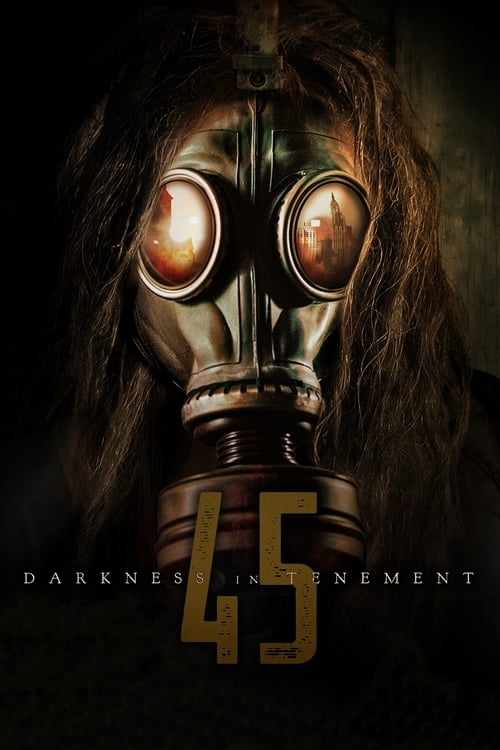









Popular
What role does the mysterious creature play in the plot?
What is the significance of the character named Anna in the story?
How does the relationship between Anna and her brother evolve throughout the film?
How does the setting of Tenement 45 influence the characters' actions?
What internal conflicts does Anna face as the story progresses?
Should I watch it?
Ask Your Own Question

What is the plot?
Sorry, we aren't able to watch and write up a full detailed plot yet. Check back in a few days.





What is the ending?
In the ending of "Darkness in Tenement 45," the main character, a woman named Anna, confronts the horrors that have unfolded in the tenement. After a series of harrowing events, she faces the ultimate threat posed by the malevolent force that has been haunting the building. The film concludes with a climactic confrontation, leading to a resolution that leaves Anna changed forever, as she grapples with the trauma and the choices she has made.
As the final act unfolds, Anna finds herself in the dimly lit corridors of Tenement 45, the air thick with tension and dread. The atmosphere is oppressive, shadows flickering ominously as she navigates the familiar yet terrifying space. The walls seem to close in on her, echoing the fear and despair that have permeated the building.
In a pivotal scene, Anna encounters the remnants of her neighbors, who have succumbed to the darkness that has invaded their lives. Their faces are etched with fear, and their eyes reflect the hopelessness that has taken hold of the tenement. Anna's heart races as she realizes the extent of the malevolence that has been unleashed. She feels a deep sense of responsibility, knowing that she must confront this evil to save herself and those who remain.
As she delves deeper into the tenement, Anna discovers a hidden room that holds the key to understanding the darkness. The room is filled with remnants of past lives, photographs, and personal belongings that tell the stories of those who once lived there. Each item resonates with the pain and suffering that has unfolded, and Anna feels a profound connection to the lives lost. This moment of realization fuels her determination to confront the darkness head-on.
In the climactic confrontation, Anna faces the embodiment of the malevolent force. The air crackles with tension as she stands her ground, her heart pounding in her chest. The entity taunts her, feeding off her fear, but Anna draws on her inner strength. She recalls the memories of her neighbors, the lives they lived, and the love that once filled the tenement. This emotional connection empowers her, and she fights back against the darkness with a fierce resolve.
As the battle rages, the tenement itself seems to respond to Anna's defiance. The walls tremble, and the shadows writhe as she pushes back against the malevolence. In a moment of clarity, she realizes that the darkness thrives on isolation and despair. By embracing her connection to the others, she weakens its hold.
In the aftermath of the confrontation, Anna emerges from the tenement, forever changed. The building stands silent, a shell of its former self, but Anna carries the weight of her experiences. She looks back at the tenement, a mixture of sorrow and relief washing over her. The fate of her neighbors remains a haunting memory, but she knows that she has broken the cycle of fear.
As the film concludes, Anna walks away from Tenement 45, her steps heavy yet resolute. The darkness may have left its mark, but she has found a glimmer of hope within herself. The final shot lingers on her face, a blend of determination and vulnerability, as she steps into the light, ready to face whatever comes next. The film closes, leaving the audience with a sense of the enduring struggle against darkness and the power of human connection in the face of despair.
Is there a post-credit scene?
In "Darkness in Tenement 45," there is no post-credit scene. The film concludes its narrative without any additional scenes after the credits roll, leaving the audience with the final emotional impact of the story. The focus remains on the intense and claustrophobic atmosphere established throughout the film, emphasizing the themes of survival and the human condition in the face of horror.
What role does the mysterious creature play in the plot?
The mysterious creature serves as both a physical threat and a symbol of the characters' fears. Its presence escalates the tension within the tenement, driving characters to confront their deepest anxieties and ultimately forcing them to band together or turn against one another.
What is the significance of the character named Anna in the story?
Anna is a central character who embodies the struggle for survival in a post-apocalyptic world. Her journey reflects her resilience and determination to protect her loved ones, particularly her younger brother, as they navigate the dangers of their environment.
How does the relationship between Anna and her brother evolve throughout the film?
Anna's relationship with her brother is central to the narrative, showcasing her protective instincts and the emotional burden she carries. As they face external threats, their bond is tested, revealing moments of vulnerability and strength that highlight the theme of familial love amidst chaos.
How does the setting of Tenement 45 influence the characters' actions?
The setting of Tenement 45, a dilapidated and oppressive building, creates a claustrophobic atmosphere that heightens the characters' sense of desperation. The dark, cramped hallways and the constant threat of danger force the characters to make difficult choices, impacting their relationships and moral decisions.
What internal conflicts does Anna face as the story progresses?
As the story unfolds, Anna grapples with her fear of the creature and the moral dilemmas of survival. She struggles with the weight of responsibility for her brother's safety, leading to moments of doubt and desperation that reveal her inner turmoil and drive her character development.
Is this family friendly?
"Darkness in Tenement 45" is not considered family-friendly due to its intense themes and graphic content. Here are some potentially objectionable or upsetting aspects that may affect children or sensitive viewers:
-
Violence and Gore: The film contains scenes of violence that may be graphic and disturbing, including physical confrontations and bloodshed.
-
Horror Elements: There are supernatural and horror elements that create a tense and frightening atmosphere, which may be unsettling for younger audiences.
-
Themes of Isolation and Despair: The emotional weight of isolation and the characters' struggles with fear and hopelessness can be distressing.
-
Psychological Tension: The film explores themes of paranoia and mental distress, which may be uncomfortable for some viewers.
-
Mature Language: There is the use of strong language that may not be suitable for children.
These elements contribute to a dark and intense viewing experience, making it more appropriate for mature audiences.







