
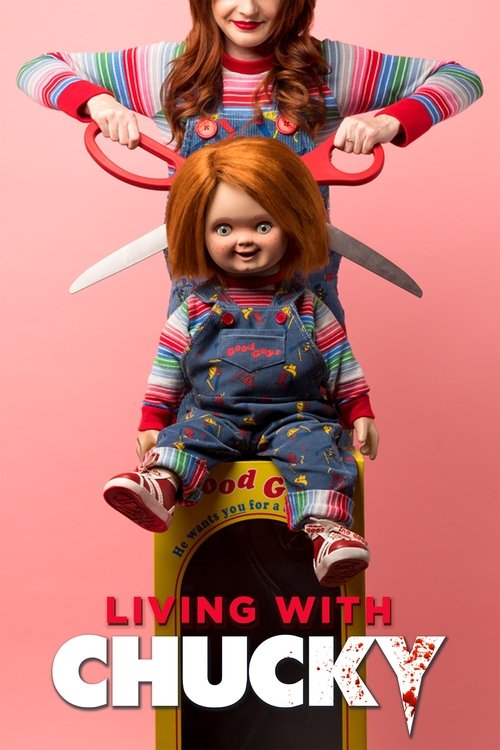





















Popular
What is the significance of the character of Chucky in the film?
How does the film portray the relationship between the filmmakers and the Chucky doll?
What role does the family dynamic play in the narrative of Living with Chucky?
How does the film address the evolution of Chucky's character over the years?
What personal stories do the filmmakers share about their experiences with Chucky?
Should I watch it?
Ask Your Own Question

What is the plot?
Sorry, we aren't able to watch and write up a full detailed plot yet. Check back in a few days.
More Movies Like This
Browse All Movies →






What is the ending?
In the ending of "Living with Chucky," the film culminates in a reflective exploration of the impact that the "Child's Play" franchise has had on the lives of those involved, particularly the family of creator Don Mancini. The film concludes with a sense of closure as the characters come to terms with their experiences, both positive and negative, while celebrating the legacy of Chucky.
As the film progresses towards its conclusion, the narrative shifts to a series of interviews and personal reflections from the cast and crew who have worked on the "Child's Play" series. They share their stories, revealing how the franchise has shaped their lives and careers. The emotional weight of these reflections is palpable, as they discuss the challenges and joys of being part of a horror legacy that has spanned decades.
The final scenes focus on Don Mancini, who expresses a deep connection to Chucky, viewing the character as a part of his own identity. He reflects on the complexities of creating a horror icon and the personal toll it has taken on him and his family. The film ends on a note of acceptance, with Mancini and others acknowledging the duality of their experiences--both the fear and the fondness associated with Chucky.
In the final moments, the film emphasizes the importance of family, creativity, and the lasting impact of storytelling, leaving viewers with a sense of nostalgia and appreciation for the journey of those who have lived with Chucky.
As the film "Living with Chucky" approaches its conclusion, the atmosphere shifts to one of introspection and reflection. The screen fades into a montage of interviews featuring key figures from the "Child's Play" franchise, including actors, crew members, and Don Mancini himself. Each individual shares their unique experiences, creating a tapestry of emotions that encapsulates the highs and lows of being part of a horror phenomenon.
The first scene in this reflective segment features Jennifer Tilly, who discusses her initial trepidation about joining the franchise. Her voice carries a mix of excitement and vulnerability as she recounts her first encounter with Chucky. The camera captures her animated expressions, revealing her genuine affection for the character and the community that has formed around the films. She speaks of the camaraderie among the cast and how it has fostered lasting friendships, despite the horror elements of their work.
Next, the film transitions to a more somber tone as Don Mancini shares his personal journey. The camera focuses on his face, capturing the weight of his words as he reflects on the challenges of creating a horror icon. He discusses the emotional toll that the character of Chucky has taken on him, revealing moments of doubt and fear. The audience can sense his internal struggle as he grapples with the duality of his creation--both a source of terror and a beloved figure in pop culture.
In a poignant scene, Mancini visits the set of a recent "Chucky" production, where he is surrounded by the familiar sights and sounds of the franchise. The nostalgia is palpable as he walks through the set, touching props and reminiscing about past experiences. The camera lingers on his expressions, showcasing a blend of pride and melancholy as he acknowledges the legacy he has built.
As the film nears its conclusion, the narrative shifts to a celebratory tone. The cast and crew gather for a reunion, sharing laughter and stories that highlight the joy of their shared experiences. The atmosphere is filled with warmth as they reflect on the impact of the franchise on their lives. The camera captures candid moments of connection, emphasizing the theme of family that runs throughout the film.
In the final scenes, Mancini stands before a group of fans at a convention, where he expresses gratitude for their support. His voice is filled with emotion as he acknowledges the significance of Chucky in both his life and the lives of the fans. The audience responds with cheers, creating a sense of unity and appreciation for the journey they have all shared.
The film concludes with a montage of clips from the "Child's Play" series, interspersed with the heartfelt reflections of the cast and crew. The final shot lingers on Mancini's face, a mixture of contentment and resolve as he embraces the complexities of his creation. The screen fades to black, leaving viewers with a sense of closure and a deeper understanding of the legacy of Chucky and the people who have lived with him.
Is there a post-credit scene?
"Living with Chucky," produced in 2022, does not feature a post-credit scene. The film concludes its narrative without any additional scenes or content after the credits roll. The focus remains on the exploration of the impact of the Chucky franchise on the lives of those involved, particularly the family of creator Don Mancini, rather than setting up future storylines or surprises. The film wraps up with a reflective tone, emphasizing the personal connections and emotional journeys of the characters rather than leaving viewers with a cliffhanger or teaser.
What is the significance of the character of Chucky in the film?
In 'Living with Chucky', Chucky serves as both a source of horror and a symbol of the complex relationship between creator and creation. The film explores how the character has evolved over the years, reflecting the personal experiences of those who have worked on the franchise. Chucky's presence elicits a range of emotions from fear to nostalgia, as he embodies the struggles and triumphs of the filmmakers.
How does the film portray the relationship between the filmmakers and the Chucky doll?
The film delves into the intimate and often tumultuous relationship between the filmmakers and the Chucky doll. It showcases behind-the-scenes stories, revealing how the doll became a beloved yet terrifying figure. The filmmakers share their personal anecdotes, highlighting moments of joy, fear, and the challenges they faced while bringing Chucky to life, ultimately portraying him as a character that is both cherished and feared.
What role does the family dynamic play in the narrative of Living with Chucky?
Family dynamics are central to 'Living with Chucky', as the film explores how the Chucky franchise impacted the lives of those involved, particularly the family of creator Don Mancini. The film highlights the emotional struggles and bonds formed within the family, showcasing how the horror of Chucky intertwined with their personal lives, leading to moments of both conflict and unity.
How does the film address the evolution of Chucky's character over the years?
The film addresses Chucky's evolution by examining the various iterations of the character throughout the franchise. It contrasts the original portrayal of Chucky as a straightforward horror figure with later developments that added depth and complexity, including humor and self-awareness. This evolution reflects broader changes in horror cinema and the filmmakers' desire to keep the character relevant and engaging for new audiences.
What personal stories do the filmmakers share about their experiences with Chucky?
The filmmakers share a variety of personal stories that reveal their unique experiences with Chucky. These anecdotes range from humorous encounters on set to the emotional toll of working on a horror franchise. They discuss the challenges of balancing the horror elements with personal connections to the character, providing insight into how Chucky has influenced their lives both professionally and personally.
Is this family friendly?
"Living with Chucky," produced in 2022, is a documentary that explores the impact of the "Child's Play" franchise on the family of creator Don Mancini, particularly focusing on the relationship between Mancini and his family, as well as the legacy of the Chucky character. While the film provides insights into the horror genre and the personal stories behind it, it is not considered family-friendly due to its subject matter.
Potentially objectionable or upsetting aspects for children or sensitive viewers may include:
-
Horror Themes: The film discusses the horror genre, which includes discussions of violence, fear, and the psychological impact of horror films.
-
Graphic Imagery: Clips from the "Child's Play" films may feature graphic violence and disturbing imagery associated with the Chucky character, which could be unsettling.
-
Personal Trauma: The documentary touches on personal stories that may involve themes of trauma, loss, and the emotional toll of working in the horror industry.
-
Language: There may be strong language used in interviews or discussions that could be inappropriate for younger audiences.
-
Parental Relationships: The film explores complex family dynamics, which may resonate differently with viewers, particularly those sensitive to discussions about family issues.
Overall, "Living with Chucky" is aimed at an adult audience, particularly fans of horror films, and may not be suitable for children or those who are sensitive to horror-related content.









